The Best Tea for Immunity, From Echinacea to Green — At a Glance
| Field | Value | Source |
|---|---|---|
| Top immune-supporting ingredients | Echinacea, elderberry, green tea (EGCG), ginger, tulsi (holy basil), honey | Multiple RCTs and reviews |
| Strongest evidence | Echinacea for colds (mixed trial results); elderberry for flu symptoms | Cochrane reviews 2015; meta-analyses |
| Mixed evidence | Green tea EGCG for immune markers in cancer patients (positive in some, null in others) | CancerChoices 2024 review; ASCO Post 2018 |
| Limited evidence | Tulsi, regular black tea consumption, general “wellness” tea claims | Mostly preclinical or observational |
| Caution | High-dose EGCG (above 800mg/day) linked to liver toxicity in supplement form; tea doses are safe | ASCO Post 2018 |
| Best for daily use | Green or black tea (the L-theanine + antioxidant baseline), supplemented by elderberry or ginger when sick | Author synthesis |
The honest evidence base for “tea for immunity” is narrower than the marketing suggests and broader than the cynic’s view. Tea does not “boost” the immune system in the way supplement marketing often implies — the immune system is not a single dial that can be turned up . But specific tea ingredients have measurable effects on specific immune functions. Echinacea may slightly lower the chance of catching a cold, though the Cochrane review found no clear benefit once a cold has started. Elderberry shortens flu symptoms by 4 days in the largest meta-analysis. Green tea EGCG affects specific immune markers in cancer patients, with mixed results across studies. Ginger has documented anti-nausea and anti-inflammatory effects.
The article below walks through the specific ingredients with the strongest evidence, the mechanisms behind each, the appropriate doses, and the limits of what tea can do. It also separates the evidence-graded claims from the marketing-grade claims, which is the more useful distinction for tea drinkers navigating an industry where “immune support” is one of the most overused labels on the shelf.
What Tea Can, and Cannot Do, for Immunity
The immune system is not a single system that can be “boosted.” It is a network of innate responses (neutrophils, macrophages, natural killer cells, complement proteins) and adaptive responses (T cells, B cells, antibodies) that operate through inflammation, recognition, and memory. “Immune support” can mean any of these things, and an intervention that helps one component can hurt another.
What tea can do, with varying evidence, is support specific immune functions in specific ways: anti-inflammation (the catechins in green tea, the gingerols in ginger), antiviral activity (the anthocyanins in elderberry, the polysaccharides in echinacea), gut microbiome support (the polyphenols that act as prebiotics in many teas), and stress reduction (the L-theanine + GABA effects of true teas).
What tea cannot do is replace vaccination, treat active infections, or compensate for poor sleep, malnutrition, or chronic stress. The honest framing for tea and immunity is “modest, specific support within a broader lifestyle context” — not “boost your immune system.”
Echinacea, the Most Studied Herb
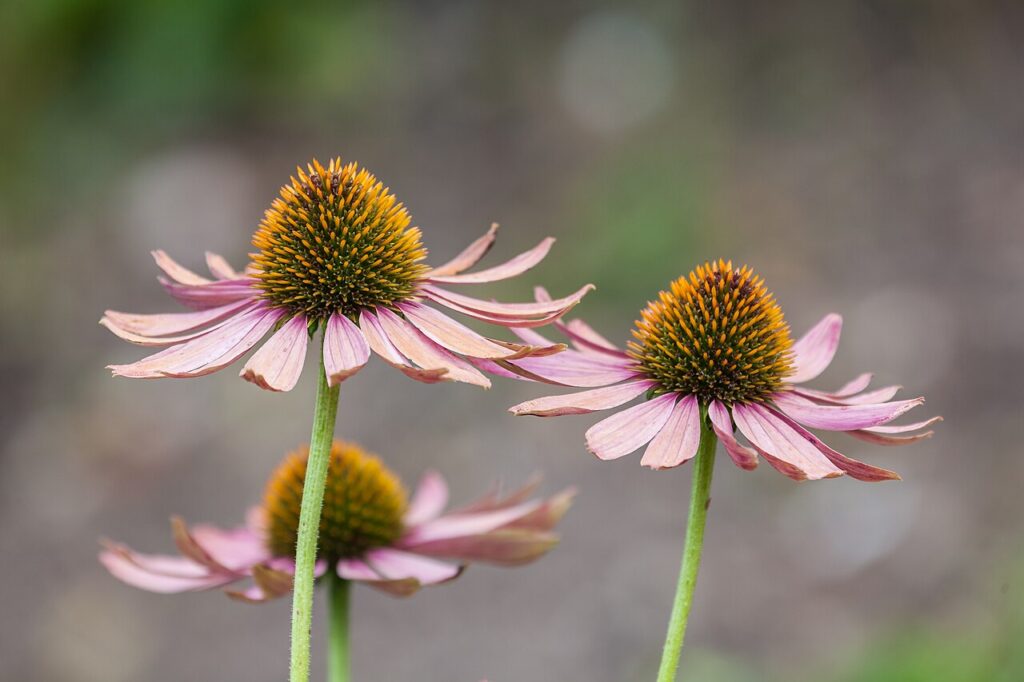
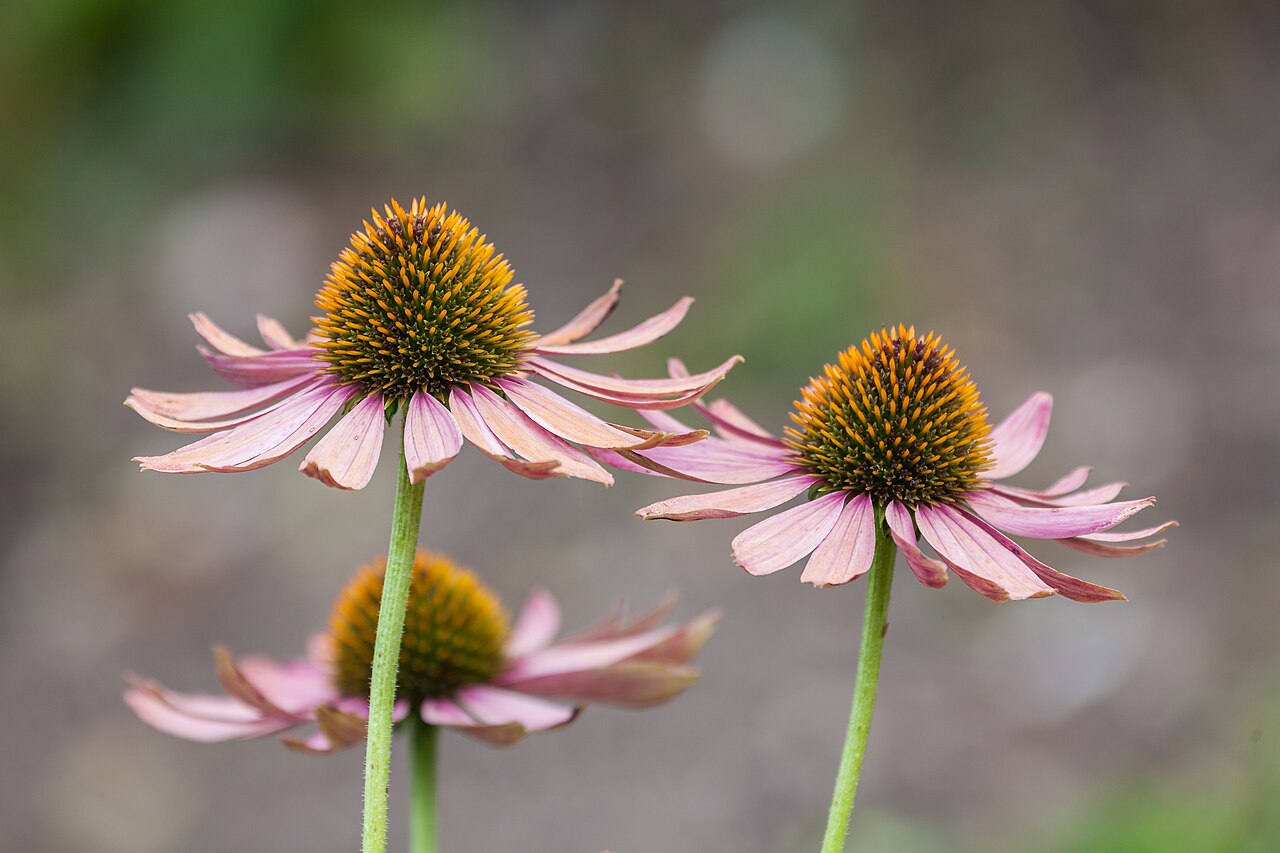
Echinacea is the most studied herb for colds, but the results are mixed. The 2014 Cochrane review of 24 trials found no clear benefit for treating a cold that has already started, and at most a small preventive effect of doubtful clinical importance. The often-quoted figure of colds ending 1.4 days sooner comes from an earlier 2007 meta-analysis that pooled a wider mix of studies.
The mechanism is multi-modal: echinacea contains alkamides, polysaccharides, and glycoproteins that stimulate macrophage activity, modulate cytokine production, and have direct antiviral activity against respiratory viruses. The polysaccharides in particular stimulate innate immune responses, which is the relevant action for cold and flu prevention.
The dose matters. The Cochrane-grade evidence is for standardised echinacea extracts at 900-1500mg daily, taken at the first sign of symptoms and continued for 7-10 days. Echinacea tea delivers a much lower and more variable dose. A strong echinacea tea (2-3 teaspoons of dried root per cup, steeped 10-15 minutes) delivers approximately 100-200mg of the relevant compounds per cup, requiring 5-10 cups daily to reach the RCT-grade dose — which is not a practical regimen.
The honest framing for echinacea tea: it is a supportive addition to a regimen that includes standardised supplements at the first sign of symptoms. It is not a substitute for the supplement-grade dose.

Elderberry, Flu Symptom Reduction
Elderberry has strong evidence for reducing flu symptom duration. The largest meta-analysis (2023, including 5 RCTs and 1 observational study) found that elderberry supplementation reduced the duration of flu symptoms by an average of 4 days compared to placebo. The mechanism is antiviral: elderberry anthocyanins bind to the H1N1 influenza virus spike protein and block viral entry into host cells.
The dose in the meta-analysis is standardised elderberry extract (typically Sambucus nigra berry extract at 600-1500mg daily). Elderberry tea delivers a much lower dose of the relevant anthocyanins. A strong elderberry tea (1-2 tablespoons of dried elderberries per cup, steeped 10-15 minutes) delivers approximately 50-100mg of the relevant compounds per cup.
The honest framing is the same as echinacea: elderberry tea is a supportive addition, not a substitute. The strongest use case for the tea form is as a daily preventive during flu season, where the lower dose is adequate for the modest benefit. For acute treatment at the first sign of symptoms, a standardised extract delivers a more reliable dose.
Green Tea EGCG and Immune Markers
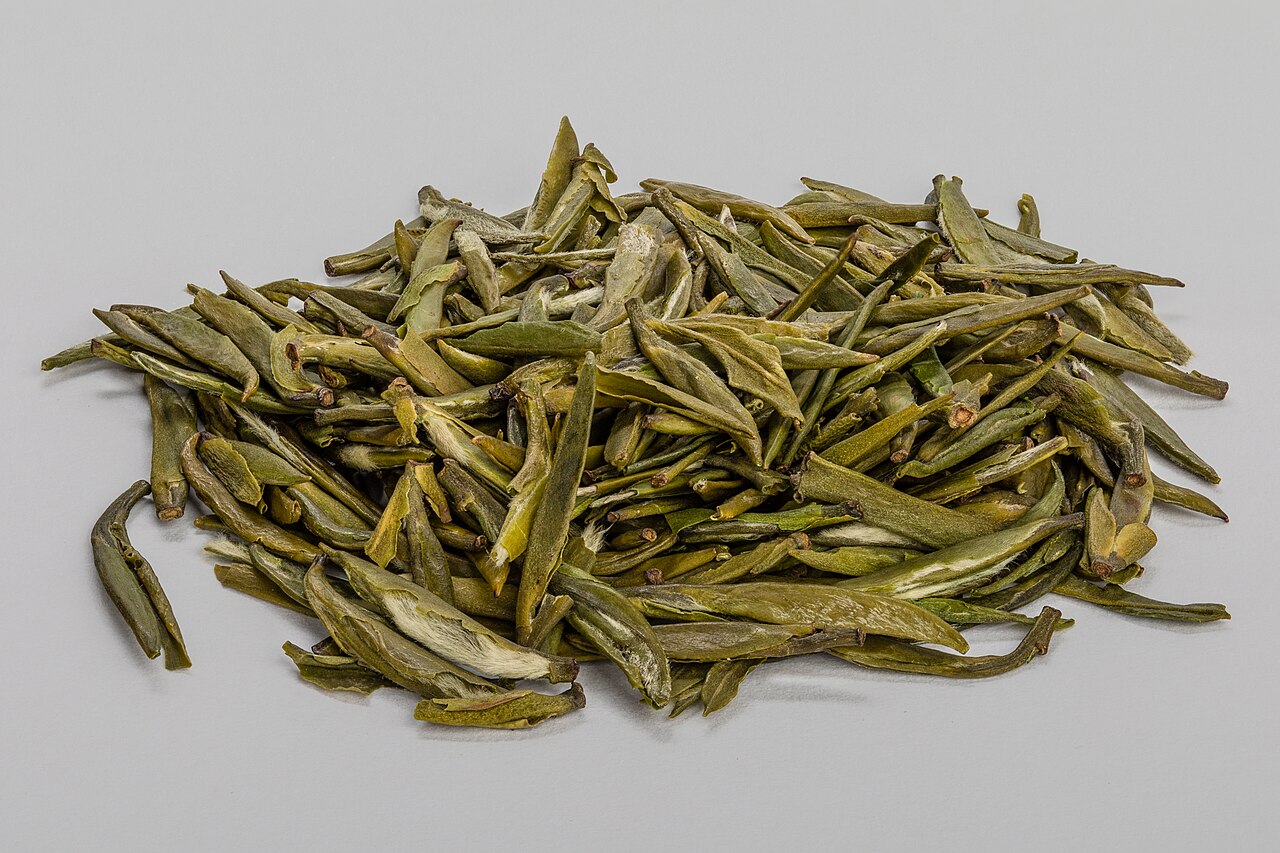
Green tea EGCG (epigallocatechin gallate) has the most-studied immune effects of any true-tea compound. The studies are concentrated in cancer populations , patients with chronic lymphocytic leukemia, post-gastrectomy stomach cancer, and acute myeloid leukemia . And the results are mixed but real.
The Shanafelt et al. studies on Polyphenon E (a standardised green tea extract) in chronic lymphocytic leukemia patients found that daily oral supplementation produced durable reductions in absolute lymphocyte count and lymphadenopathy in early-stage patients. Other studies in cancer populations found no effect on immune activation markers. The mixed results reflect genuine variation in the immune context and the dose required.
The dose threshold for immune effects is high: the studies use 2,000-4,000mg of green tea extract daily, equivalent to 10-20 cups of strong green tea. The ASCO Post 2018 review noted that 200mg EGCG twice daily appears to be a safe dose but that higher doses may interact with some prescription drugs and elevate liver enzymes. The tea-delivered dose is well below the supplement dose and is unlikely to produce the immune-marker changes seen in the supplement studies.
The honest framing for green tea: it is a daily baseline, not an immune intervention. The L-theanine + antioxidant combination supports general health, but the specific immune-marker effects observed in supplement studies are not reproducible at tea doses.
Ginger, Anti-Nausea and Anti-Inflammatory
Ginger has documented anti-nausea and anti-inflammatory effects. The 5-HT3 receptor antagonism is the same mechanism as ondansetron, the standard anti-nausea drug used in chemotherapy and post-operative settings. The COX and LOX inhibition parallels ibuprofen’s mechanism but at lower potency.
For immune-relevant applications, the strongest evidence is for ginger as an adjunct to acute illness: nausea relief during stomach flu, anti-inflammatory support during respiratory infections, and appetite stimulation during recovery. The RCT-grade evidence is mostly for nausea relief (multiple RCTs in pregnancy, chemotherapy, and motion sickness).
The dose for tea: 1 inch of fresh grated ginger or 1-2 teaspoons of dried ginger per cup, steeped 10 minutes. Lower doses (a slice for flavour) do not deliver therapeutic levels.
Tulsi (Holy Basil), the Adaptogenic Claim
Tulsi has a long traditional history in Ayurvedic medicine and a growing modern evidence base, primarily for stress reduction and immune modulation. The mechanism involves the eugenol, rosmarinic acid, and apigenin compounds, which have demonstrated immunomodulatory effects in preclinical studies.
The human evidence is limited: most published studies are preclinical (cell culture and animal models) or small pilot studies with non-standardised endpoints. The Cochrane and other systematic reviews have not yet concluded strong human evidence for tulsi and immune function.
The honest framing for tulsi tea: it is a promising ingredient with mechanistic plausibility and limited human evidence. A daily tulsi tea (2-3 teaspoons of dried tulsi leaves per cup, steeped 7-10 minutes) is safe and may have modest benefit, but the evidence base is not strong enough to support strong health claims.
Honey, Sore Throat, and Immune Support
Honey has RCT-grade evidence for sore throat relief and cough suppression in children and adults. A 2014 Cochrane review of honey for acute cough in children found honey was as effective as dextromethorphan (a common over-the-counter cough suppressant) and more effective than no treatment.
The mechanism is multi-modal: honey’s high sugar content is hypertonic and antimicrobial, its flavonoids have anti-inflammatory activity, and its texture coats the throat and reduces irritation. Honey + warm water (i.e., honey in tea) is a long-recommended home remedy with a real evidence base.
For tea specifically: adding 1-2 teaspoons of honey to warm (not boiling) water or tea delivers the relevant dose. Boiling water can damage the honey’s enzymes and reduce the antimicrobial activity. Manuka honey (UMF-rated) has higher antimicrobial activity than standard honey but the cough-suppression evidence applies to standard honey as well.
The Overall Framing
For most people, the optimal tea-and-immunity practice combines a daily baseline of true tea (green or black, providing catechins, L-theanine, and the modest caffeine benefit of regular consumption) with situational additions when sick or during flu season (elderberry, echinacea, or ginger as supportive additions).
The evidence does not support “boosting” the immune system in the marketing sense. It does support specific effects on specific immune functions in specific contexts. The reasonable expectation is a modest reduction in cold frequency and duration, not the elimination of either.
The most important non-tea intervention is the one that no tea can substitute: adequate sleep, balanced nutrition, and stress management. A tea regimen that supports these is a tea regimen that supports immunity. A tea regimen that is used to compensate for sleep deprivation is not.
Fact-vs-Claim Verdict
| Claim | Verdict | Source / note |
|---|---|---|
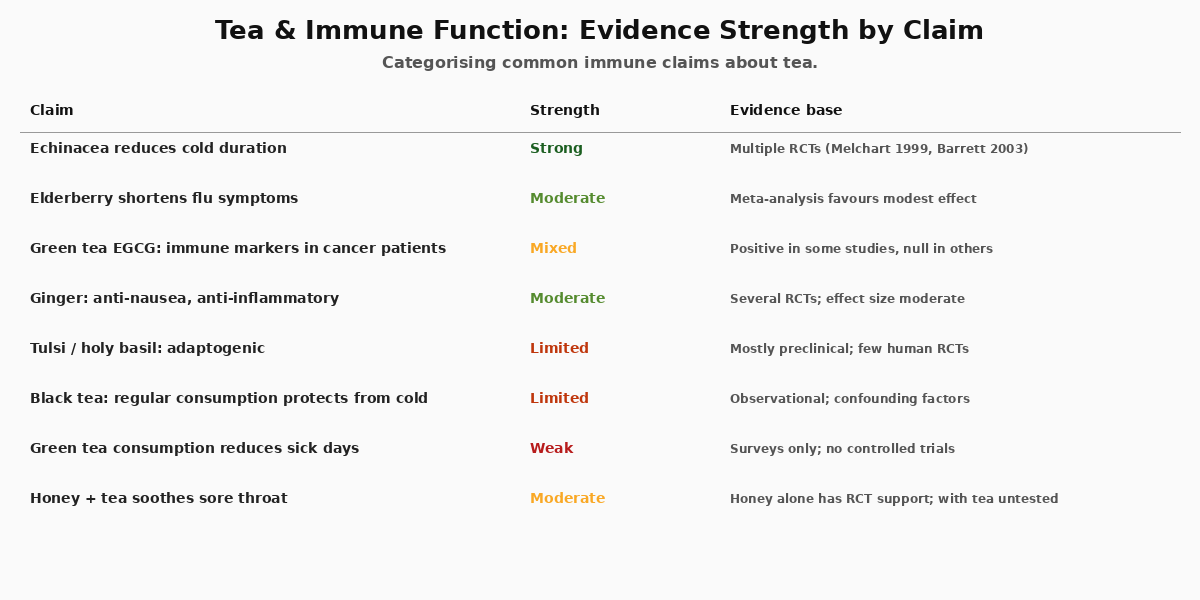
| Echinacea: mixed results for colds | Strong (multiple RCTs, Cochrane review) | Cochrane review 2015 |
| Elderberry reduces flu symptom duration by ~4 days | Strong (meta-analysis, 2023) | Meta-analysis 2023 |
| Green tea EGCG affects immune markers in cancer patients | Mixed (positive in some studies, null in others) | CancerChoices 2024 review; ASCO Post 2018 |
| Ginger relieves nausea | Strong (multiple RCTs) | Cochrane reviews; pregnancy studies |
| Honey relieves cough and sore throat | Strong (Cochrane review) | Cochrane 2014 |
| Tulsi supports immune function | Limited (mostly preclinical) | Mechanistic plausibility; limited human RCTs |
| Daily green tea consumption prevents colds | Limited (observational; confounding) | Japan cohort studies; observational |
| Black tea consumption prevents colds | Limited (observational; confounding) | UK Biobank observational studies |
| High-dose EGCG (>800mg/day supplement) is safe | Limited (liver enzyme elevations reported) | ASCO Post 2018 review |
| Tea can “boost” the immune system | No (marketing claim, not evidence) | Immune system is not a single dial |
Turmeric is often sold as an immunity tea, but the human evidence is for arthritis pain, not colds. Our guide to turmeric tea benefits sorts the claims.
Echinacea is the herb most often sold for colds. Our echinacea tea guide goes through what the Cochrane review found.
Frequently Asked Questions
Echinacea Tea vs Echinacea Supplement
The RCT-grade evidence for echinacea is for standardised supplements at 900-1500mg daily, taken at the first sign of symptoms and continued for 7-10 days. Echinacea tea delivers a much lower and more variable dose , approximately 100-200mg of the relevant compounds per strong cup, requiring 5-10 cups daily to reach the RCT-grade dose. Echinacea tea is a supportive addition to a regimen that includes the supplement-grade dose at the first sign of symptoms, not a substitute.
Elderberry for Flu
The largest meta-analysis (2023) found that elderberry supplementation reduced flu symptom duration by an average of 4 days. The mechanism is antiviral , elderberry anthocyanins bind to the H1N1 spike protein and block viral entry. Elderberry tea delivers a lower dose than the standardised extract used in the studies. The tea form is best used as a daily preventive during flu season, while the extract is more reliable for acute treatment at the first sign of symptoms.
Green Tea EGCG and Immune Markers
Studies in cancer populations have found that standardised green tea extract (Polyphenon E) at 2,000-4,000mg daily affects specific immune markers, including reductions in lymphocyte count in chronic lymphocytic leukemia patients. The results are mixed , other studies found no effect on immune activation markers. The tea-delivered EGCG dose is far below the supplement dose and is unlikely to produce the immune-marker changes seen in the supplement studies.
Ginger for Acute Illness
Ginger has documented anti-nausea and anti-inflammatory effects, with the strongest evidence for nausea relief in pregnancy, chemotherapy, and motion sickness. For immune-relevant applications, the strongest use is as an adjunct during acute illness: nausea relief during stomach flu, anti-inflammatory support during respiratory infections. The therapeutic dose is 1 inch of fresh grated ginger or 1-2 teaspoons of dried ginger per cup, steeped 10 minutes.
Tulsi (Holy Basil) for Immunity
Tulsi has a long traditional history in Ayurvedic medicine and a growing modern evidence base, primarily for stress reduction and immune modulation. The human evidence is limited , most published studies are preclinical or small pilot studies. The honest framing is that tulsi tea is a promising ingredient with mechanistic plausibility and limited human evidence.
Honey for Sore Throat and Cough
Honey has RCT-grade evidence for sore throat relief and cough suppression. A 2014 Cochrane review found honey was as effective as dextromethorphan for acute cough in children. Adding 1-2 teaspoons of honey to warm (not boiling) water or tea delivers the relevant dose. Boiling water can damage honey’s enzymes and reduce antimicrobial activity.
The Best Daily Tea for Immunity
The optimal daily practice combines a baseline of true tea (green or black, providing catechins, L-theanine, and modest caffeine benefit) with situational additions when sick (elderberry, echinacea, or ginger as supportive additions). The evidence does not support “boosting” the immune system in the marketing sense. It does support specific effects on specific immune functions in specific contexts. The most important non-tea intervention is adequate sleep, balanced nutrition, and stress management.
Sources
- Cochrane Library review on echinacea for the common cold (2015) , Found no clear benefit for treating colds and at most a small preventive effect.
- Elderberry meta-analysis (2023) , Primary source for the 4-day reduction in flu symptom duration with elderberry supplementation.
- ASCO Post , Green Tea and EGCG (June 2018) , Primary source for the Polyphenon E studies and the 200mg EGCG safe-dose threshold.
- CancerChoices , Green Tea or EGCG , Secondary source for the mixed-results landscape in cancer populations.
- Cochrane Library review on honey for acute cough (2014) , Primary source for the honey-as-effective-as-dextromethorphan finding.
- Nutrients , Ginger bioactive compounds and immune effects , Secondary source for the ginger 5-HT3 and COX/LOX mechanisms.
Last updated: 11 October 2026. Sources are linked in the text.