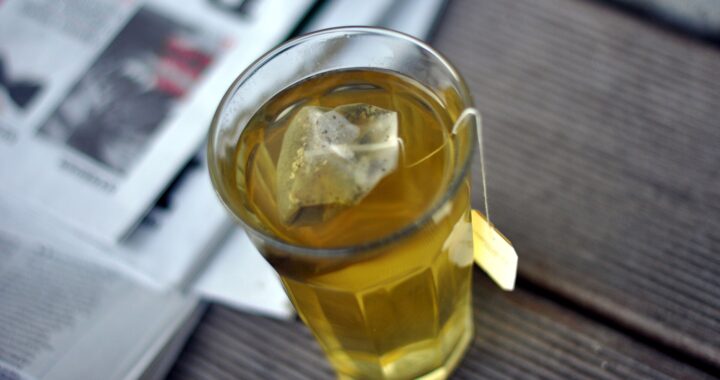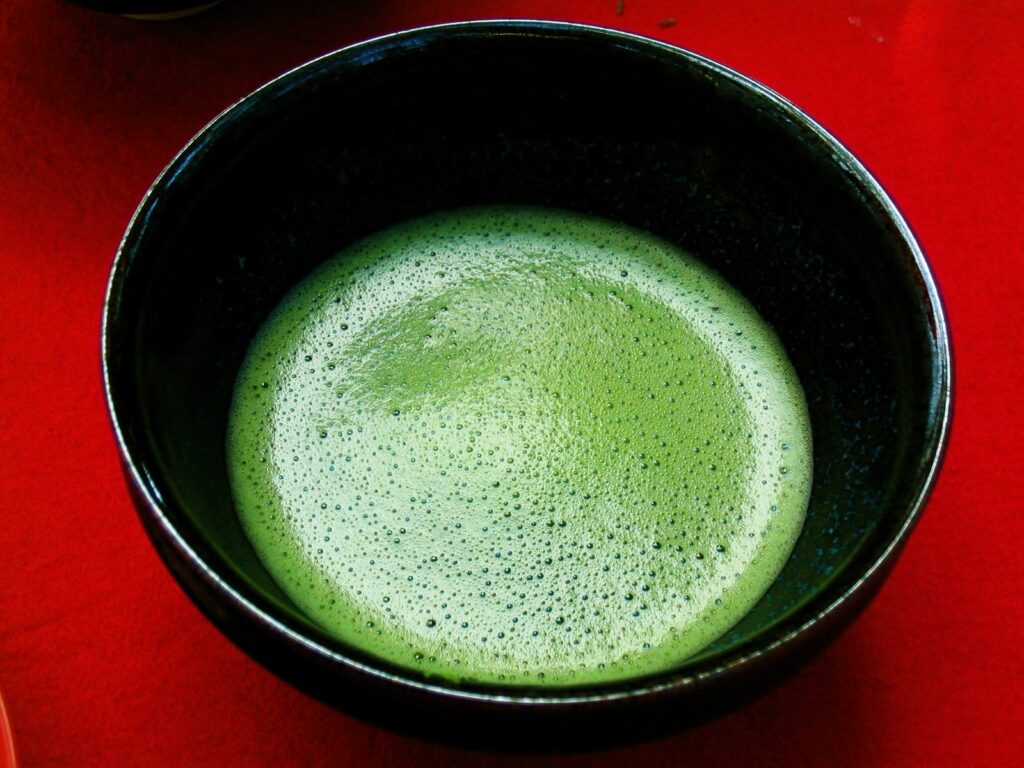
A usual serving of matcha, about 2 g of powder, has roughly 30 to 35 mg of caffeine. A mug of brewed coffee has 80 to 100 mg. So matcha gives a gentler lift, and it adds L-theanine, an amino acid that may smooth out caffeine’s edge. Coffee is the stronger, cheaper stimulant. If coffee makes you jittery or anxious, matcha is the better swap. If you need a real jolt, coffee wins.

Matcha vs coffee at a glance
| Matcha (2 g) | Brewed coffee (8 fl oz) | |
|---|---|---|
| Caffeine | About 30 to 35 mg, varies by brand | 80 to 100 mg |
| L-theanine | About 20 mg | None |
| Taste | Grassy, savoury, slightly sweet | Roasted, bitter, a little acidic |
| Feel | Gentle, steady lift | Faster, stronger kick |
| Stomach | Usually gentle | Can trigger reflux in some people |
| Cost per serving | Higher for good matcha | Lower |
| Effort | Sift and whisk | Machine or filter |
How much caffeine is in matcha compared with coffee?
Matcha is green tea leaf ground to a powder, so you drink the whole leaf instead of an infusion. One Czech lab analysis measured 16.1 mg of caffeine per gram. A typical bowl or latte uses about 2 g, or one level teaspoon, which works out at around 32 mg. Thick koicha, made with 4 g, gets you to about 64 mg.
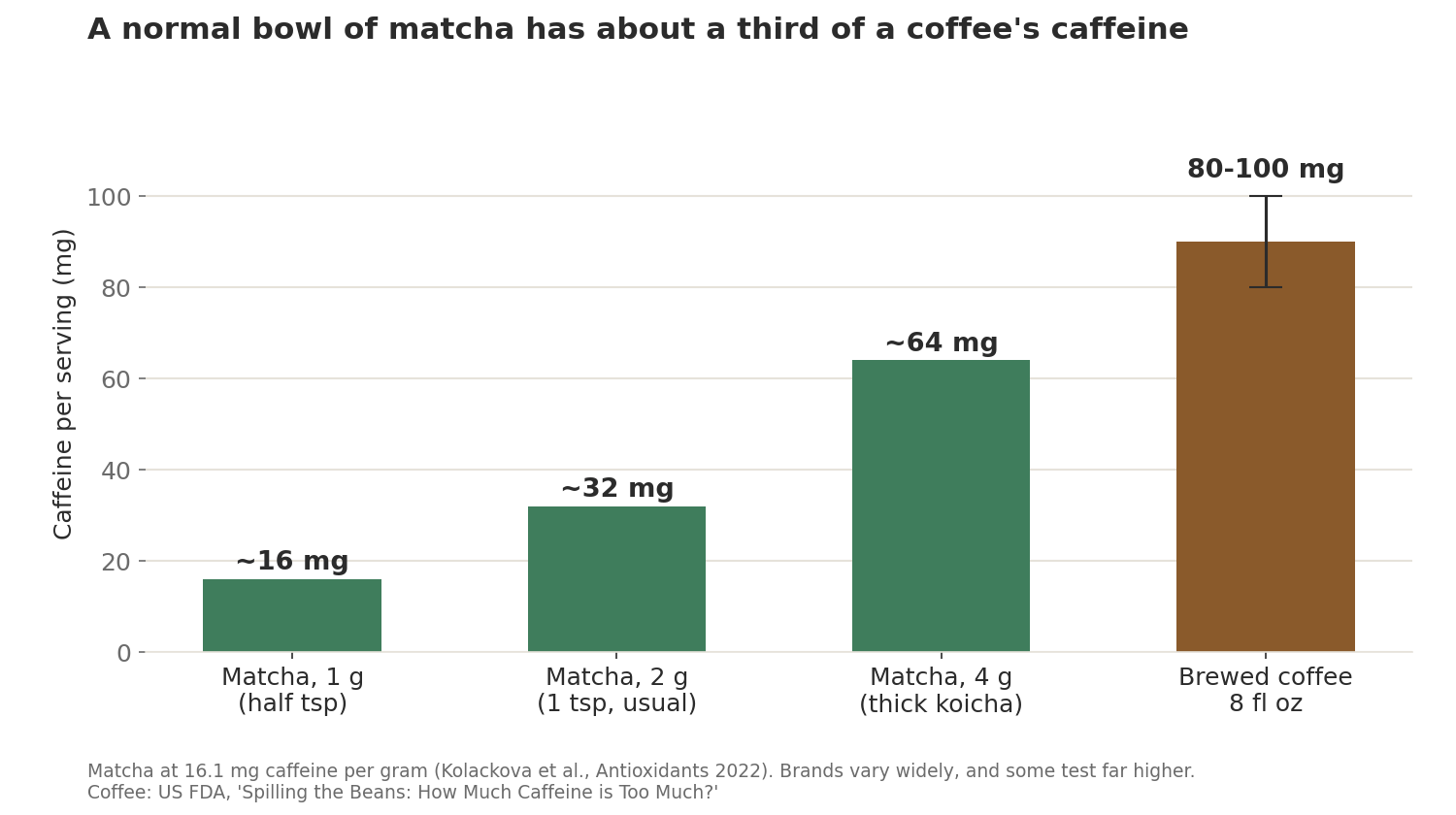
Treat those as rough figures. A 2024 study of 11 matcha brands found caffeine varied many times over depending on origin, harvest and growing method. Café matcha drinks often use two or three scoops, which can bring them close to a cup of coffee. The US FDA puts an 8 oz cup of coffee at 80 to 100 mg and suggests most healthy adults stay under 400 mg a day. Our tea caffeine comparison covers other teas.
Does matcha give calmer energy than coffee?
That is matcha’s main selling point, and it comes from L-theanine. Lab studies of the combination are encouraging. In a 2008 trial, 50 mg of caffeine plus 100 mg of L-theanine improved speed and accuracy on an attention-switching task and made people less distractible. Another 2008 trial found the pair beat caffeine alone on several tests and reduced headache and tiredness ratings.
The catch is the dose. Those studies used 100 to 250 mg of L-theanine. The same Czech analysis found about 9.85 mg per gram of matcha, so a 2 g serving gives roughly 20 mg. That is less theanine than caffeine, the reverse of the trials, and a fraction of the amounts they used.
Only one study has tested matcha itself. In a 2017 Dutch study, 23 people had 4 g of matcha or a placebo. The matcha drink brought small improvements on basic attention and reaction-speed tasks, but no change in mood and little effect on memory tests. That fits a mild, real effect, not a dramatic one. Our best tea for focus guide compares matcha with other teas.
Is matcha healthier than coffee?
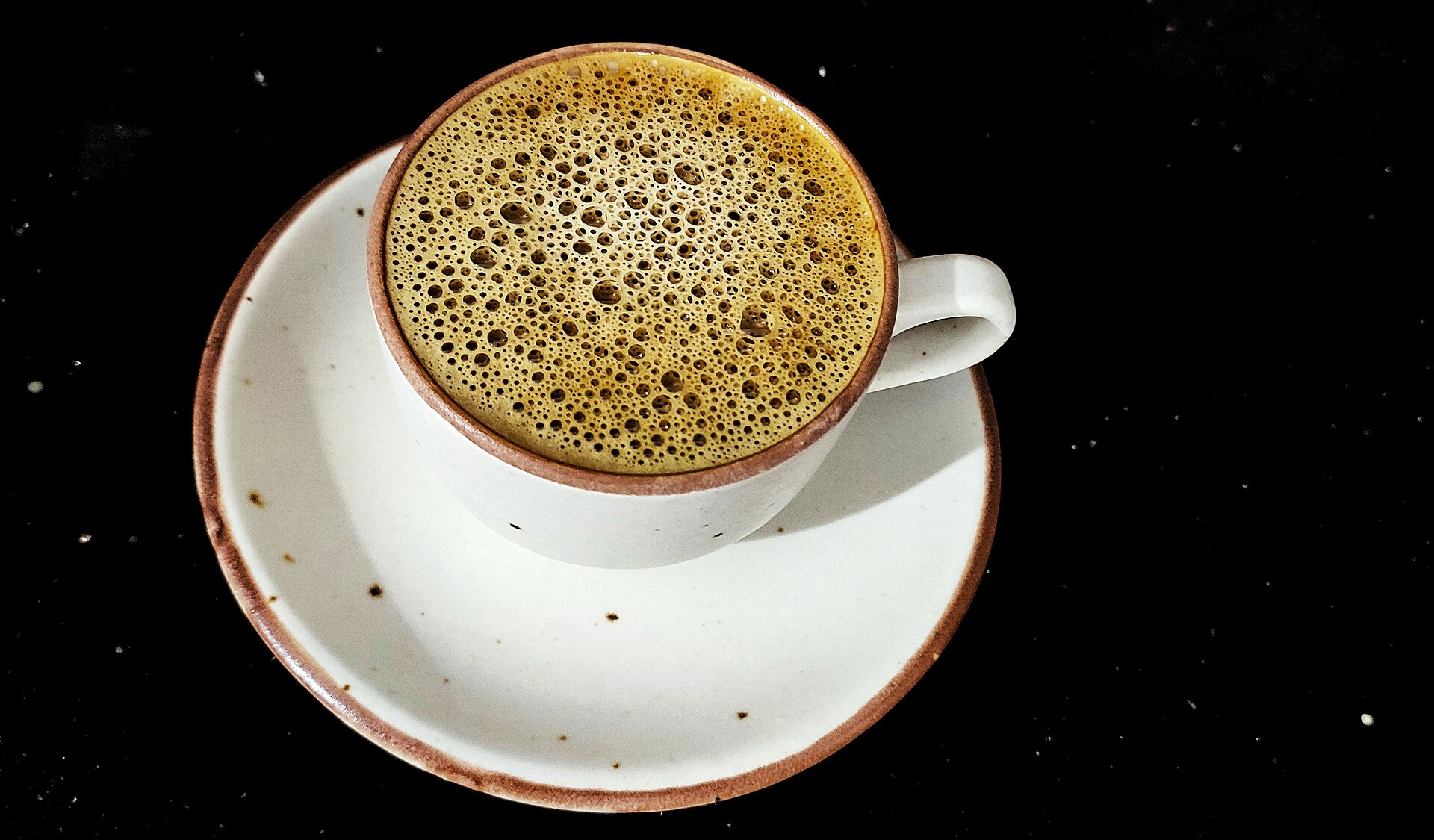
Both are linked to good health in long-term studies, and neither is a health food on its own. Matcha has more catechins per serving than brewed green tea because you swallow the leaf. Coffee has its own polyphenols, mainly chlorogenic acids. Some practical differences matter more:
| Consider | Matcha | Coffee |
|---|---|---|
| Reflux or a sensitive stomach | Often easier | Can make it worse |
| Anxiety or poor sleep | Lower caffeine helps | Higher dose can worsen both |
| Low iron | Drink between meals, as with all tea | Also reduces iron absorption |
| Sugar | Café lattes are often heavily sweetened | Flavoured drinks too |
Neither drink dehydrates you at normal amounts, as our hydration guide explains. If you like tea but want more than matcha’s gentle lift, oolong and black tea sit in between.
Which should you choose?
- Pick matcha if coffee makes you jittery, keeps you awake or upsets your stomach, or if you want a smaller afternoon lift.
- Pick coffee if you need a strong, fast boost, for example before exercise, or want the cheapest caffeine per cup.
- Have both if you like: coffee in the morning and matcha after lunch keeps total caffeine down without giving up either.
How to switch from coffee to matcha
- Start with one swap a day, ideally your second coffee, so the drop in caffeine is gradual.
- Sift 2 g (1 level teaspoon) of matcha into a bowl to break up lumps.
- Add 70 to 80 ml of water at about 75 to 80°C. Boiling water makes it bitter, as our green tea brewing guide explains.
- Whisk briskly in a W shape for 15 to 20 seconds until frothy. Top up with water or warm milk for a latte.
- If you get withdrawal headaches, use a heaped scoop for the first week and taper down.
Quick answers
Does matcha have more caffeine than coffee?
Not per usual serving. A 2 g serving has about a third of the caffeine in a mug of brewed coffee. Gram for gram the powder is strong, so big café servings can come close.
Does matcha cause a crash like coffee?
Many people say it feels smoother, probably because the dose is smaller. No study has directly measured a caffeine crash with matcha against coffee.
Is matcha or coffee better before a workout?
Coffee, if you want a performance boost. Sports studies usually use 3 to 6 mg of caffeine per kg of body weight, far more than a bowl of matcha provides.
Can I drink matcha and coffee on the same day?
Yes. Add the caffeine up and stay under about 400 mg a day, or 200 mg if you are pregnant. Our guide to how many cups of tea a day is healthy has the details.
Last updated: 7 October 2026. Sources are linked in the text.
This article is general information, not medical advice. Talk to your doctor or pharmacist before using tea or herbs for a health condition, especially if you are pregnant, breastfeeding or take regular medication.