Ginger tea’s best-proven benefit is easing nausea, especially morning sickness in pregnancy. A review of 12 trials with 1,278 pregnant women found it reduced nausea, though not vomiting. Ginger also helped period pain in four placebo-controlled trials. It speeds up how fast the stomach empties. Most trials used 1 to 2 g of ginger powder a day, which is more than a typical teabag holds, so brew it strong.

What does ginger tea do?
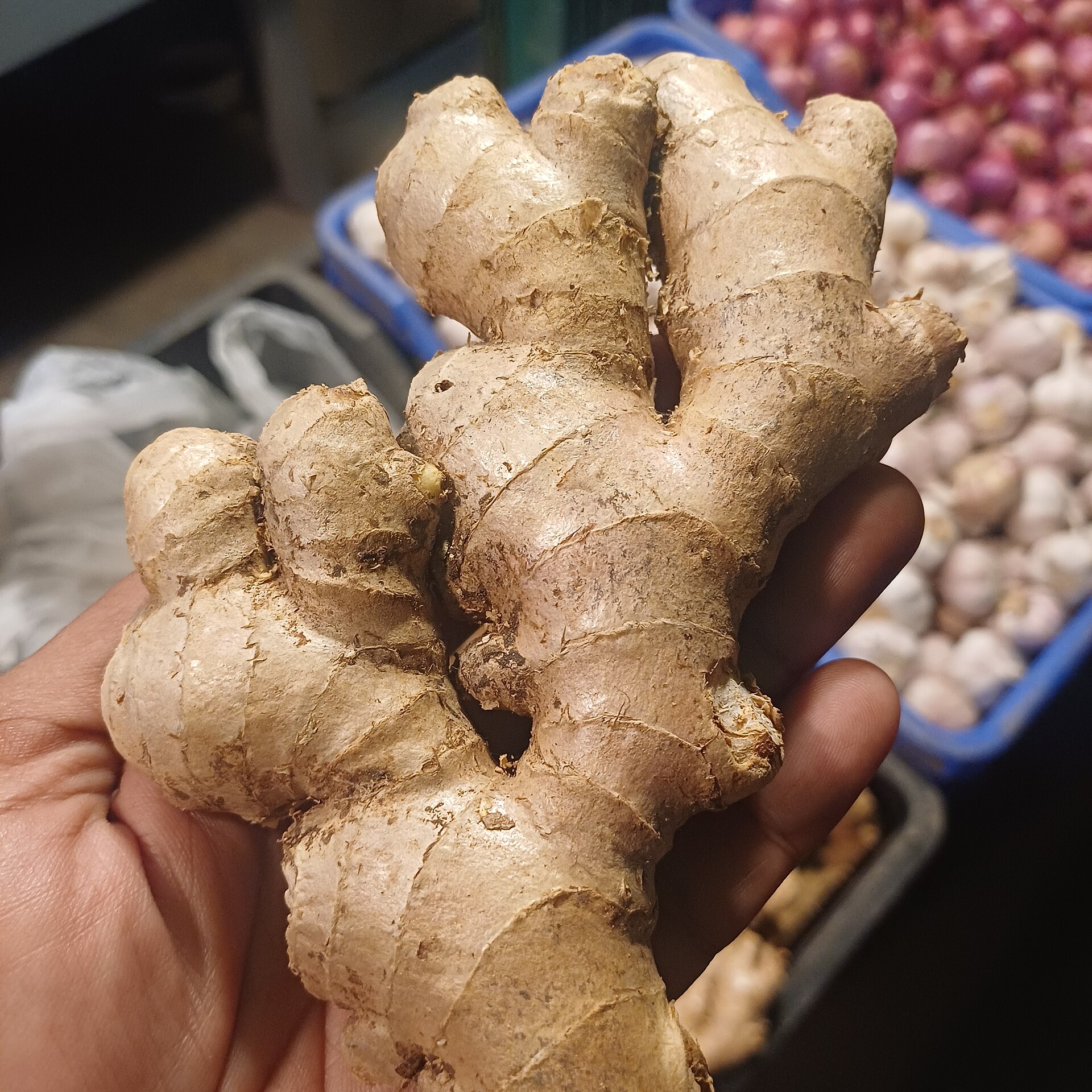
Ginger is the underground stem, or rhizome, of Zingiber officinale. Its heat comes from gingerols, which turn partly into shogaols when ginger is dried or cooked. These compounds act on the gut, which is why ginger’s best evidence is for stomach complaints.
| Use | Evidence | What the trials used |
|---|---|---|
| Pregnancy nausea | Meta-analysis of 12 trials: nausea improved, vomiting did not | Mostly capsules. Under 1.5 g a day did best |
| Period pain | Meta-analysis of 4 placebo trials: less pain | 750 to 2,000 mg powder, first 3 to 4 days |
| Chemotherapy nausea | Helps severe nausea alongside anti-sickness drugs | Capsules |
| Slow digestion | Faster stomach emptying in healthy people | 1.2 g capsules |
| Colds and sore throats | No good trials of ginger alone | None |
Ginger tea for nausea and morning sickness
Ginger is the best-studied herbal remedy for nausea. In a 2014 systematic review, 12 randomised trials including 1,278 pregnant women showed ginger significantly reduced nausea compared with placebo. It did not significantly reduce vomiting, although the results leaned that way. The review found no higher risk of miscarriage, heartburn or drowsiness. Lower daily doses, under 1,500 mg, seemed to work best.
The American College of Obstetricians and Gynecologists suggests ginger as one option for morning sickness. Sipping weak ginger tea slowly is an easy way to try it when food is hard to face. If you cannot keep fluids down, see a doctor, because severe vomiting in pregnancy needs treatment.
For nausea from cancer treatment, a 2025 meta-analysis of 35 trials found ginger capsules taken with standard anti-sickness drugs cut the rate of severe nausea. An overview of 15 meta-analyses also found it reduced nausea after surgery, while noting that many of the reviews were low quality.
Ginger tea for period pain
A 2015 meta-analysis pooled four placebo-controlled trials in women with period pain that had no underlying cause, known as primary dysmenorrhoea. Ginger significantly reduced pain scores. The trials used 750 to 2,000 mg of ginger powder a day during the first three or four days of the period. That is a concentrated dose, so a single weak teabag is unlikely to match it.
Ginger and digestion
In a 2008 study, 24 healthy volunteers took 1.2 g of ginger or a placebo before a bowl of soup. With ginger, half the meal had left the stomach in 13.1 minutes, against 26.7 minutes on placebo. That is probably why ginger feels settling after a big meal. Our guide to the best tea for bloating compares ginger with peppermint and fennel.
How to make fresh ginger tea
- Slice a thumb-sized piece of fresh ginger, about 2 to 3 cm, thinly. You do not need to peel it.
- Put it in a small pan with 300 ml of water and simmer, covered, for 10 minutes. Simmering gives a stronger tea than pouring hot water over the slices.
- Strain into a mug. Add lemon or honey if you like.
- For nausea, let it cool a little and sip it slowly.
Ginger and honey is a classic cold remedy. Honey is the part with trial evidence for coughs and throats, as our sore throat guide explains. For other everyday aches, see our best tea for headaches guide.
Ginger tea side effects
- Heartburn and stomach upset are the most common complaints, mainly at high doses.
- Blood thinners. A 2021 review lists ginger among the herbs linked to more bleeding with warfarin. Ask your pharmacist if you take warfarin or another anticoagulant.
- Before surgery. Stop large amounts a week or so before, for the same reason.
- Pregnancy. Food amounts and the doses in the trials looked safe. Check with your midwife before taking ginger supplements.
Quick answers
Is it OK to drink ginger tea every day?
Yes. A mug or two a day is a normal food amount for most adults. Take more care if you take blood thinners.
Does ginger tea have caffeine?
Not on its own. Check the label of blends, which sometimes include green or black tea. For fully caffeine-free options see our caffeine-free tea guide.
Does ginger tea help you lose weight?
There is no good evidence that ginger tea causes meaningful weight loss.
Ginger or chamomile for an upset stomach?
Ginger, if the problem is nausea. It has far more trial evidence. Chamomile is the gentler choice at bedtime.
Last updated: 7 October 2026. Sources are linked in the text.
This article is general information, not medical advice. Talk to your doctor or pharmacist before using tea or herbs for a health condition, especially if you are pregnant, breastfeeding or take regular medication.