Essiac tea is a blend of four herbs, burdock root, sheep sorrel, slippery elm bark and Indian rhubarb root, sold for almost a century as a cancer remedy. It has never been shown to treat or prevent cancer. Laboratory testing at Memorial Sloan Kettering and the US National Cancer Institute found no anticancer activity, and in a rat study an eight-herb version increased the number of breast tumours. The biggest risk is using it in place of real treatment.
Searches for Essiac rise every time it circulates on social media, usually alongside a story of someone whose cancer vanished. This guide covers what is in the tea, where it came from, every serious test it has been through, and the side effects and drug interactions that matter if you or someone you care for is already drinking it. The sources are the National Cancer Institute, Memorial Sloan Kettering Cancer Center, Cancer Research UK and the published studies.
What is in Essiac tea?
| Herb | Part used | What to know |
|---|---|---|
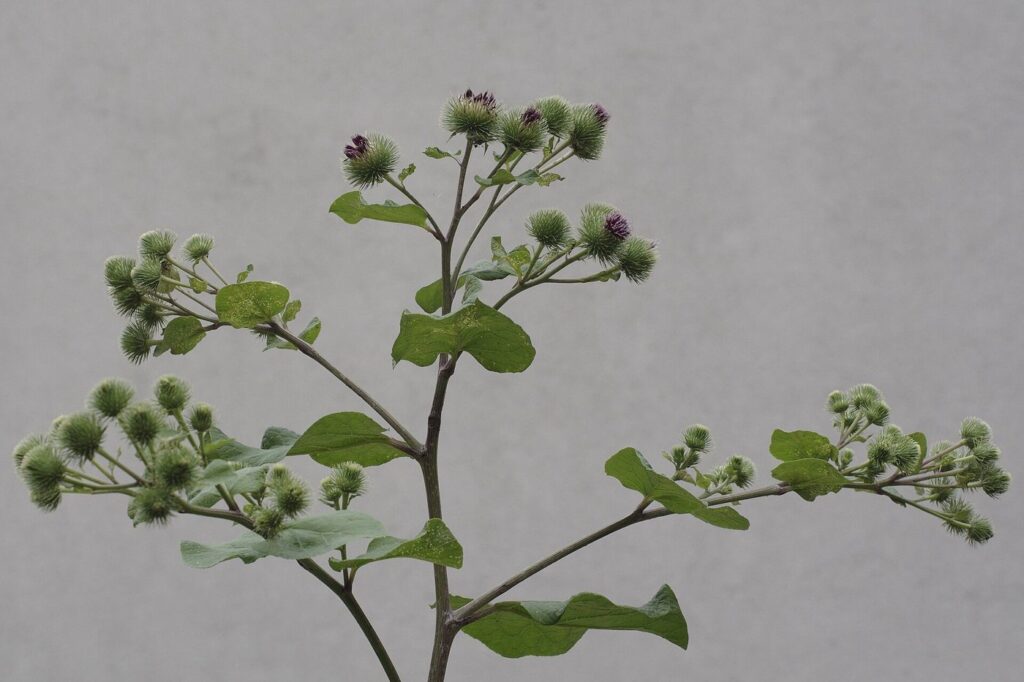
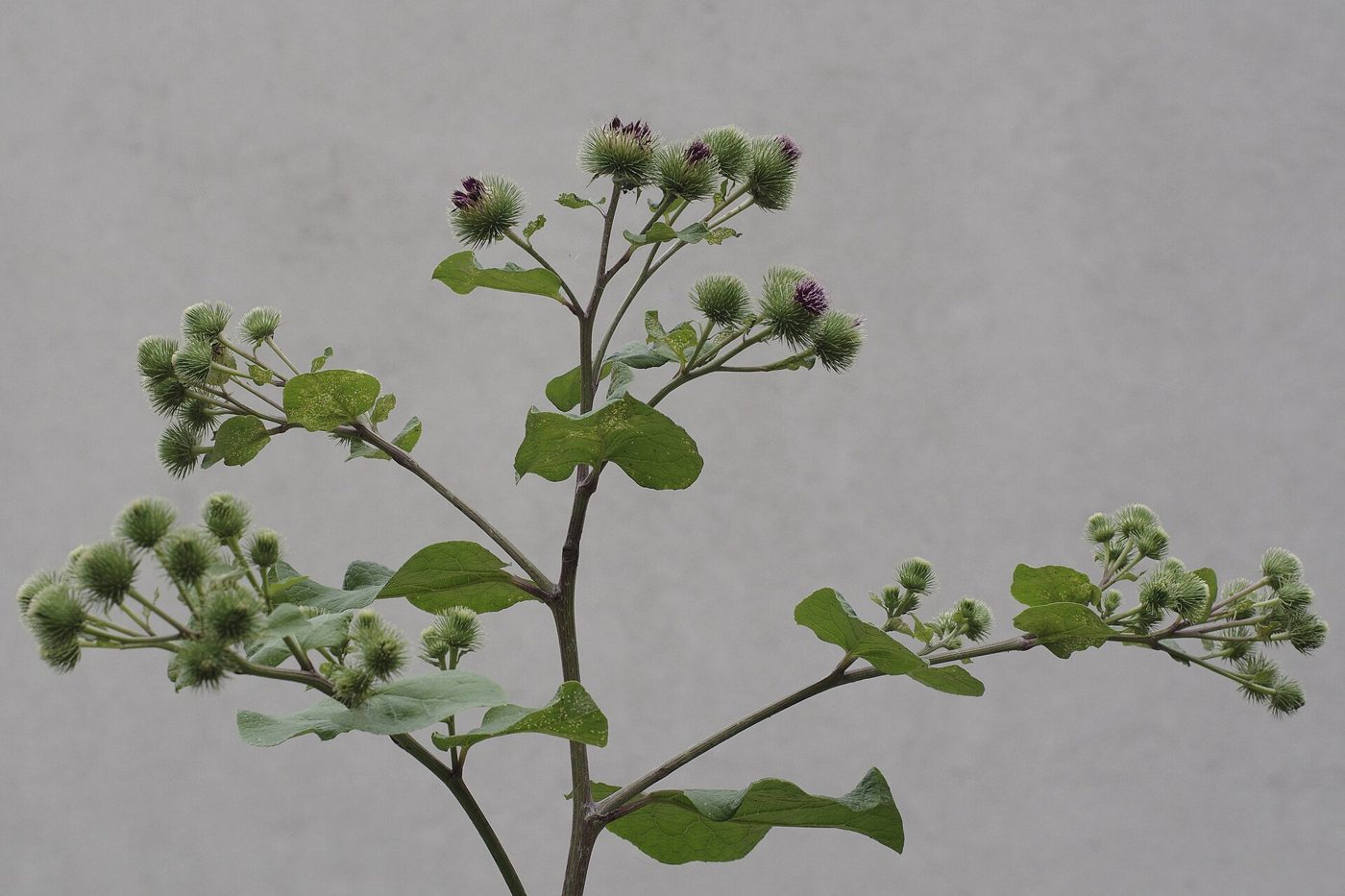
| Burdock (Arctium lappa) | Root | Eaten as a vegetable in Japan, where it is called gobo. |
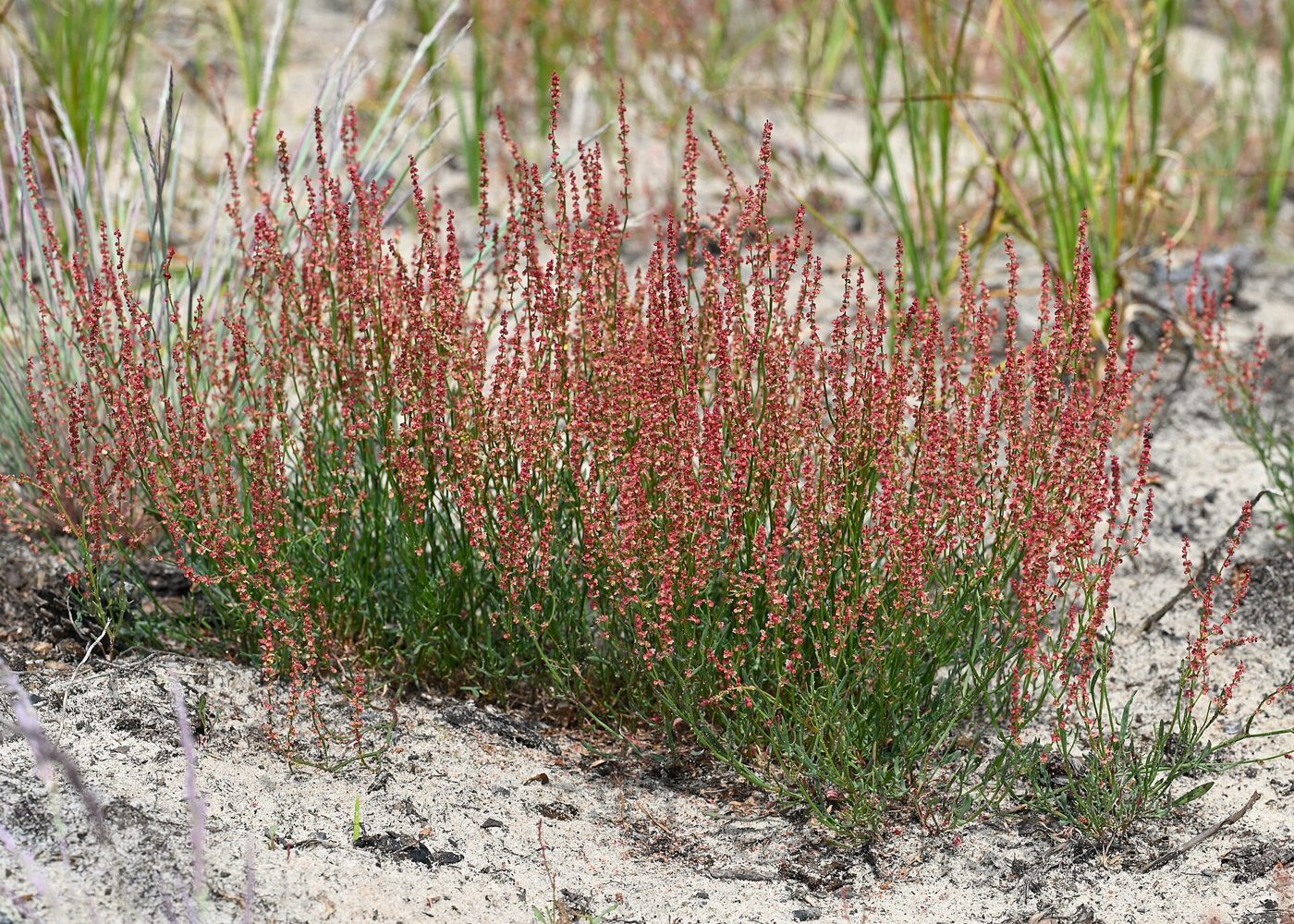
| Sheep sorrel (Rumex acetosella) | Whole plant or leaves | A sour-tasting relative of dock. Contains oxalic acid, like spinach and rhubarb. |
| Slippery elm (Ulmus rubra) | Inner bark | Forms a soothing gel in water. It is also in the throat tea that beat placebo in our sore throat review. |
| Indian or Turkey rhubarb (Rheum palmatum) | Root | A strong laxative. The root contains anthraquinones, the same class of compound as senna. |
Essiac is sold as dried herbs to brew as a tea, as a ready-made liquid, and as capsules. Makers usually tell you to take it on an empty stomach, away from food. Commercial brands differ, and the exact original proportions have always been disputed, so two products sold as Essiac may not contain the same thing.
Where Essiac came from
Essiac is the surname of Rene Caisse, a nurse from Bracebridge, Ontario, spelled backwards. According to the NCI’s history, she was given the formula in 1922 by a patient who had been treated for breast cancer and who credited it to an Ojibwa healer. Caisse later ran a clinic in Bracebridge from 1934 to 1942, where she gave the tea to cancer patients free of charge.
Her supporters campaigned for official approval. In 1938 a petition, said by supporters to carry 55,000 signatures, asked the Ontario legislature to let her treat cancer. The same year, the Royal Cancer Commission of Canada reviewed her work and concluded there was only limited evidence that it worked. The clinic closed in 1942, although Caisse kept supplying Essiac into the late 1970s. None of the recoveries reported from the clinic were tested in a controlled study, so they cannot be credited to the tea.
What the research found
Essiac has been tested more often than most herbal remedies, because its reputation was large enough to demand it. None of the results support using it against cancer.
| Test | Who and when | Result |
|---|---|---|
| Animal experiments (8) | Memorial Sloan Kettering, mid-1970s | No immune-stimulating or anticancer activity |
| Animal experiments (17) | Memorial Sloan Kettering, early 1980s | No anticancer activity |
| Mouse leukaemia models | US National Cancer Institute, 1983 | No activity; toxic at the highest doses |
| Review of 86 patients | Canadian health department, 1978 to 1982 | 47 no benefit; 4 objective responses, of whom follow-up found 2 had died and 3 had progressive disease |
| 510 women with breast cancer | Zick et al., 2006, Ontario | No improvement in quality of life or mood |
| Human breast cancer cells | Kulp et al., 2006 | Essiac and Flor Essence stimulated cancer cell growth |
| Rats given a carcinogen | Bennett et al., 2004 | Flor Essence increased the number of breast tumours |
The Canadian patient review
Between 1978 and 1982, Canadian doctors could request Essiac for patients through an emergency drug release programme. The health department later reviewed 86 of those cases. According to the NCI summary, 47 patients had no benefit, 1 had subjective improvement, 5 needed fewer painkillers, 4 had an objective response and 4 were stable. On follow-up, two of the patients who had improved had died and three had progressive disease. The company that had been allowed to run clinical studies lost that permission in 1982 after failing to meet manufacturing and trial requirements.
The only large human study
In 2006, researchers led by Suzanna Zick at the University of Michigan compared 41 women who began taking Essiac after a breast cancer diagnosis with 469 who did not, drawn at random from the Ontario cancer registry. Essiac did not improve health-related quality of life or mood. On two measures, physical well-being and relationship with their doctor, users did worse, though the users were younger and had more advanced disease, which may explain it. Most women took Essiac to boost their immune system or improve their chance of survival, and friends were their most common source of information about it.
That study was observational, not a randomised trial, and it did not measure survival. No randomised trial of Essiac in people with cancer has been published.
The rat and cell studies
The most worrying results come from Lawrence Livermore National Laboratory. In a 2004 study, female rats drank water or a 3% or 6% solution of Flor Essence from one day old, then received a single dose of a chemical that causes breast tumours. The rats given the tonic developed almost twice as many tumours each.
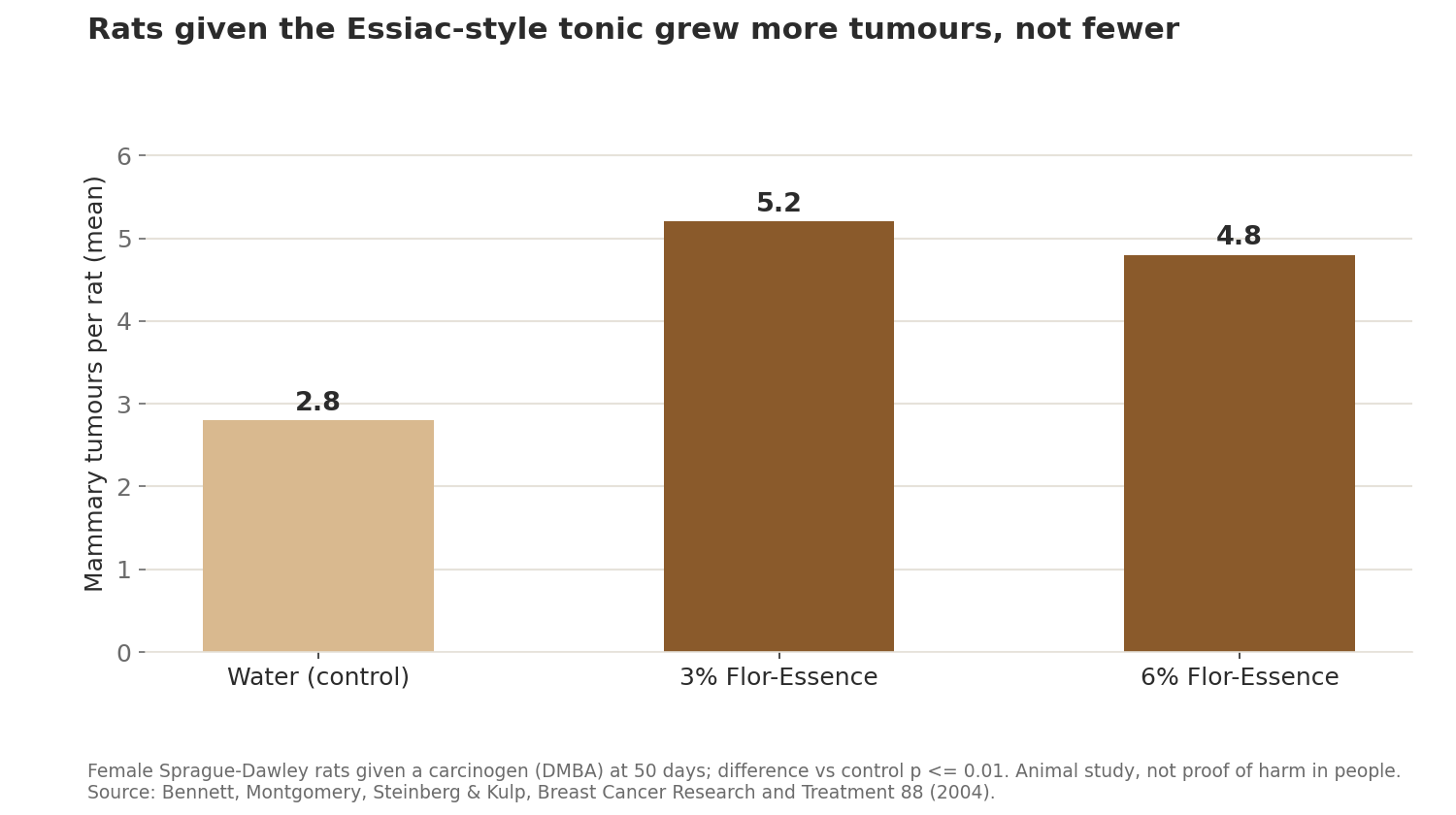
A follow-up laboratory study in 2006 found that both Essiac and Flor Essence made human breast cancer cells grow faster, partly through the oestrogen receptor. Animal and cell results do not prove the tea harms people. They do mean nobody should assume it is harmless, especially with hormone-sensitive breast cancer.
Side effects and drug interactions
Few side effects have been formally studied. The ones that have been reported include:
- Nausea and vomiting. The only side effects Cancer Research UK considers definitely linked to Essiac.
- Bowel and urinary changes. A Flor Essence maker lists more frequent bowel movements and urination, swollen glands, skin blemishes, flu-like symptoms and headaches. The laxative effect is expected from the rhubarb root.
- Drug interactions. Memorial Sloan Kettering reports a patient on Essiac who cleared an experimental chemotherapy drug more slowly, which can make chemotherapy more toxic. The likely mechanism is inhibition of the liver enzymes that break down many medicines.
- Oxalates. Sheep sorrel and rhubarb root both contain oxalates. If you have had kidney stones or kidney disease, talk to your doctor first.
- Pregnancy and breastfeeding. There is no safety data, and a laxative herbal is best avoided.
MSK also describes a 59-year-old woman who developed loss of appetite, nausea, muscle pain, tiredness and abdominal pain after six months of Essiac. The symptoms went when she stopped.
Is Essiac tea legal?
Yes. In the United States it is sold as a dietary supplement, which does not need approval from the Food and Drug Administration before sale, as long as the label does not claim it treats a disease. The FDA has not approved it for cancer or any other condition. It is also sold in Canada and the UK as a herbal product. Legal to sell is not the same as proven to work.
If you are thinking of trying it
- Do not stop or delay any cancer treatment for Essiac. As Cancer Research UK puts it, you could harm your health by stopping treatment for an unproven one.
- Tell your oncologist and pharmacist before you start, especially during chemotherapy.
- Be wary of any seller that says it cures cancer. Reputable sellers cannot legally make that claim in the US or UK.
- If what you want is a soothing, caffeine-free cup, there are caffeine-free teas with fewer unknowns.
Quick answers
What is Essiac tea used for?
It is mainly marketed to people with cancer, and also for immunity, detox and general health. No clinical evidence supports any of these uses.
Does Essiac tea cure cancer?
No. Memorial Sloan Kettering’s summary is blunt: Essiac has not been shown to treat or prevent cancer.
What are the four herbs in Essiac?
Burdock root, sheep sorrel, slippery elm inner bark and Indian (Turkey) rhubarb root.
What is the difference between Essiac and Flor Essence?
Flor Essence contains the same four herbs plus watercress, blessed thistle, red clover and kelp. It was the version tested in the rat study.
This article is for general information and is not medical advice. If you have cancer, discuss any herbal product with your treatment team.