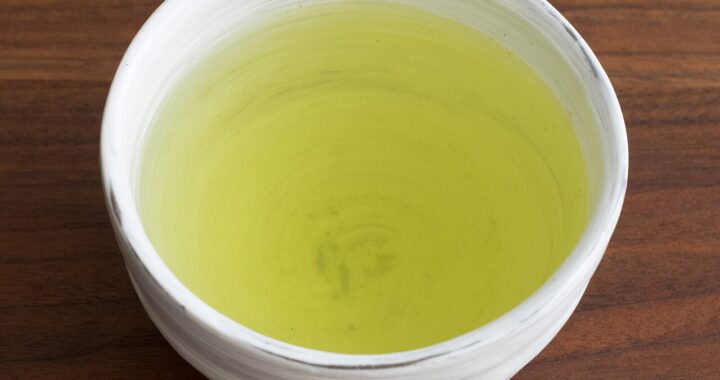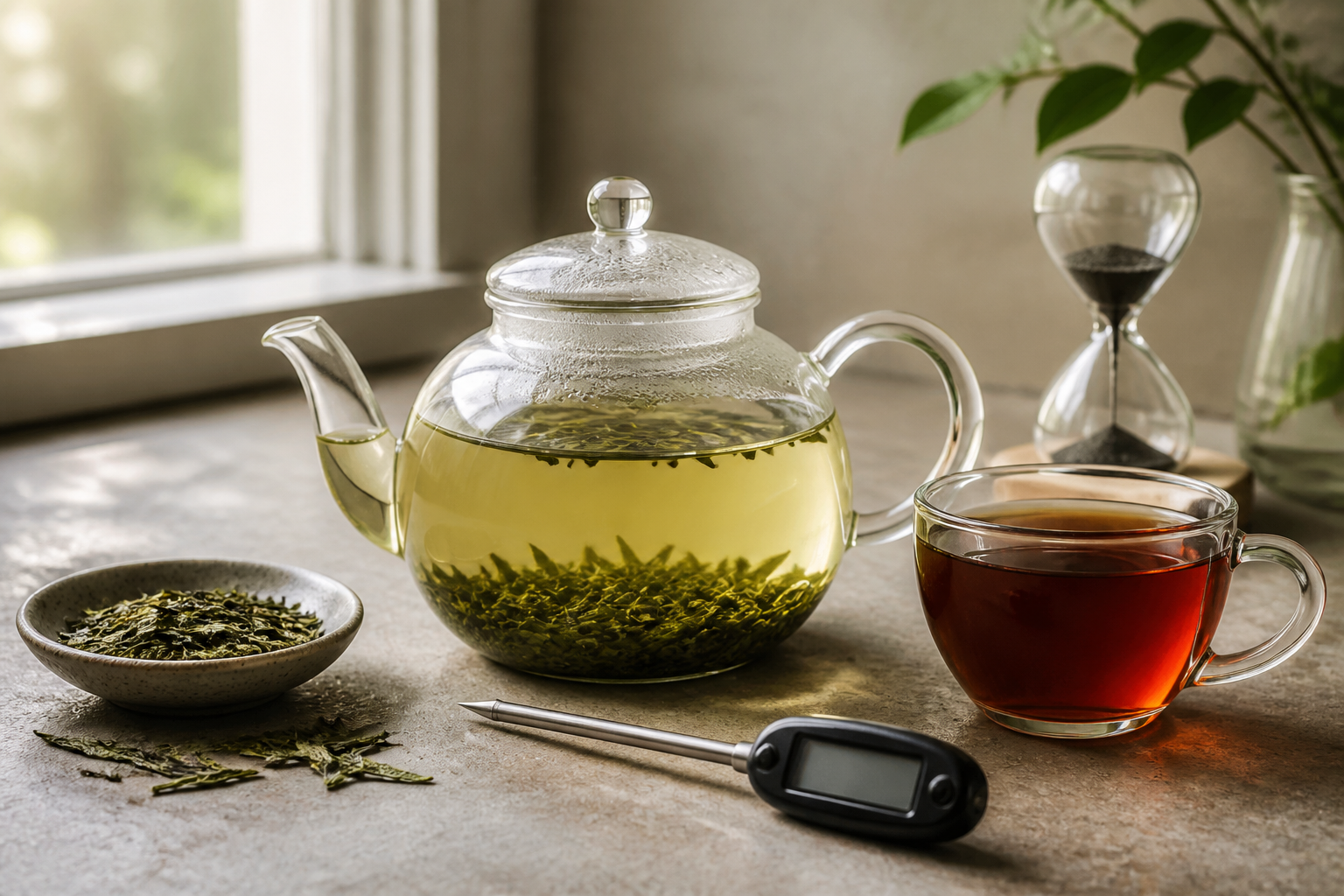
A tea bag, hot water and a timer look simple. Inside the cup, however, brewing is a moving extraction: water pulls caffeine, amino acids, aroma compounds, pigments and polyphenols from the leaf at different rates. Temperature and time control that process, but neither has one universally “correct” setting. The chart below maps the temperature ranges that produce the best cup for each major tea style; the body of the article explains why those ranges exist and what to change when the cup is not right.
The most useful rule is also the least dramatic: start with a sensible range, taste, and change one variable at a time. Hotter or longer usually makes a stronger extraction. It does not guarantee a more enjoyable cup.
Inline SVG stripped by WordPress security policy (svg_uploads:false). Chart data preserved in surrounding prose.
Brewing temperature ranges: Green 75-85 °C, White 80-90 °C, Oolong 85-100 °C, Black 90-100 °C, Pu-erh 95-100 °C.
A practical starting table
These are starting points for a Western-style infusion using roughly 2–3 grams of loose leaf per 240 millilitres (8 US fluid ounces) of water. They are deliberately ranges, not laws. A tightly rolled oolong, powdered tea, broken-leaf breakfast blend and whole-leaf Darjeeling do not extract at the same speed.
| Tea style | Starting temperature | Starting time | If the cup tastes harsh |
|---|---|---|---|
| Green tea | 75–85 °C / 167–185 °F | 2–3 minutes | Lower the temperature first |
| White tea | 80–90 °C / 176–194 °F | 3–5 minutes | Shorten the steep or use less leaf |
| Oolong tea | 85–100 °C / 185–212 °F | 2–5 minutes | Shorten the steep; rolled leaves may suit repeated infusions |
| Black tea | 90–100 °C / 194–212 °F | 3–5 minutes | Shorten the steep before cooling the water dramatically |
| Dark tea / ripe pu-erh | 95–100 °C / 203–212 °F | 2–5 minutes | Reduce time or leaf quantity |
| Cold infusion | Refrigerator temperature | 4–10 hours | Use less leaf or stop earlier |
What hotter water actually changes
Raising the water temperature generally speeds the movement of soluble compounds out of the leaf. That can build color, body, bitterness and astringency quickly. It can also release aroma and sweetness that a cooler infusion leaves behind. The result depends on which compounds dominate in that particular tea.
A controlled study of Turkish green tea found that brewing conditions affected both catechin content and sensory acceptance. Importantly, the conditions that increased extraction were not automatically the conditions people liked most. That distinction matters whenever a brewing article equates a larger laboratory measurement with a “better” cup. See the primary study by Saklar and colleagues.
A newer 2026 experiment brewed Indonesian green and black teas at four temperatures from 60 to 95 °C and four times from 2 to 10 minutes. Higher temperatures and longer steeps increased measured caffeine and antioxidants, while sensory acceptance tended to fall. The researchers selected 85 °C for 7 minutes as the best balance in their experiment. That is useful evidence, but it is not proof that every green and black tea should be brewed for seven minutes: the leaf samples, ratio, analytical method and tasting panel define the result. The full design is available in Lembono et al. (2026).
What the chemistry looks like in practice: water-soluble compounds diffuse out of the leaf along a concentration gradient. Hotter water raises the diffusion coefficient and speeds the reaction, so more material enters the cup per second. But the gradient is finite — once the leaf and the water reach an equilibrium, no further extraction happens regardless of how long you wait. For most teas at most temperatures, that equilibrium is reached in 3 to 5 minutes, after which additional steeping only adds more of the slowly-diffusing larger compounds (tannins, large thearubigins) that produce astringency and bitterness. Hotter water pushes that equilibrium point earlier; cooler water pushes it later. Both are useful, but for different goals.
Why longer is not simply better
Time gives water more opportunity to enter the leaf and dissolve material. Early in a brew, readily available compounds move quickly. Later gains can slow, while bitterness and astringency continue to reshape the cup. Very long hot infusions also change some compounds rather than merely extracting more of the same mixture.
In a detailed green-tea metabolomics experiment, researchers compared infusions at 60 and 95 °C for periods ranging from 5 minutes to 5 hours. Temperature affected the antioxidant assay more strongly than time. At 95 °C, total measured catechins peaked at 10 minutes, while prolonged heating changed the balance between different catechin forms. Those extreme times were chosen to investigate chemistry, not to propose a five-hour hot brew. The practical lesson is narrower: the chemical profile keeps changing, so a longer steep is not just a stronger copy of a shorter one. Read the open-access study.
The variables hidden behind the timer
Leaf size and shape
Broken leaves and fannings expose more surface area than intact leaves. They often brew quickly, which is why a small-particle breakfast tea can become forceful before a large twisted leaf has fully opened. A multivariable black-tea study found particle size produced the largest variation in the non-volatile compounds it measured. Its water-to-tea ratio had the largest effect on the composition of volatile compounds. The modeled optimum — 89 °C, 6 minutes and 56 millilitres of water per gram — belongs to that specific experimental system, not every black tea. The broader finding is more valuable: temperature and time are only two controls. See Yu et al. (2021).
Leaf-to-water ratio
Adding leaf increases the amount of extractable material without adding water to dilute it. If a tea tastes thin but clean, a little more leaf may work better than a much longer steep. If it tastes simultaneously weak and harsh, the likely problem is not simply “too little extraction”: try more leaf with a shorter time. The Western default of 2 g per 240 ml is a reasonable starting point; gongfu brewing of small leaves in a small pot pushes the ratio to 4–6 g per 100 ml, which shortens contact time and produces a different, often sweeter cup. Both are legitimate styles; the choice is about what kind of cup you want, not which is more “correct”.
Water chemistry
Water is nearly the entire drink, and it is not chemically neutral. Controlled comparisons have found that mineral concentration, conductivity and pH can change tea color, aroma, catechin and caffeine extraction, and sensory quality. In one study of green, oolong and black teas, high-conductivity water reduced extraction of catechins and caffeine, while higher pH affected catechin stability. Purified and lower-mineral spring water performed better for several tested teas, though the best result varied with tea type. See Xu et al. (2017) and a separate water-composition experiment.
The practical reading of those two studies is that very hard tap water tends to flatten tea: calcium and magnesium carbonate push the pH up and bind some of the polyphenols, which is the chemistry behind the “scummy” film on over-mineralised cups. Very soft or demineralised water produces a thinner, more astringent cup because the buffering is missing and the catechins extract faster. Most tea drinkers do best with a moderately low-mineral bottled or filtered water — somewhere between 30 and 150 ppm total hardness is the working range. The home test is simple. If a good leaf repeatedly tastes flat, chalky or oddly dull, brew the same tea with a neutral-tasting, moderately low-mineral bottled or filtered water. Do not change the temperature or time during that comparison.
One further variable the studies do not always isolate: chlorine. Tap water that has been disinfected with chlorine can leave a faint swimming-pool note in the cup, especially in green and white teas. A simple charcoal filter removes most of it without removing the buffering minerals. If your local supply uses chloramine instead of chlorine, the same filter approach works; the chemistry is close enough that the practical effect on the cup is the same.
Cold brew is a different extraction, not just chilled hot tea
Cold water extracts more slowly, so refrigerated brewing is measured in hours. A sensory study of seven Taiwanese specialty teas used cold-infusion periods that varied by style, from 4 hours for a green tea to 10 hours for a black tea. Compared with hot infusions of the same teas, many cold-brew attributes were less prominent; the researchers described lighter color and milder sensory properties for several samples. Their consumer panel also showed that oxidation level still mattered: lightly oxidized teas grouped differently from heavily oxidized and black teas. See the cold-infusion sensory study.
Cold brew should not be described as caffeine-free. Temperature, time, leaf size, ratio and the tea itself all affect the caffeine that reaches the cup. A long refrigerated infusion can still extract caffeine even if it tastes smoother than a hot brew. For someone who wants the flavour but wants to avoid the caffeine load, a shorter cold infusion on a lower-caffeine tea is the right combination.
The interesting thing about cold brew is that it does not just dilute hot brew at lower temperature — it changes which compounds are dominant. Cold water pulls caffeine and the smaller amino acids quickly, but it pulls the larger pigment molecules and the more polymerised polyphenols very slowly. The result is a cup that reads as smoother, lighter-bodied and less bitter than the same tea brewed hot, even at longer contact times. Cold brew is also the gentlest method for very expensive or rare leaves: a 4-hour cold infusion extracts less of the leaf’s total chemistry, which can preserve delicate aroma compounds that a 30-second near-boiling steep would drive off.
The ISO tea method is for comparison
You may encounter claims about an “official” way to make tea. ISO 3103:2019, confirmed as current in 2025, specifies how to prepare tea liquor for sensory tests. Standardization lets assessors compare samples prepared in the same way. That is a measurement advantage, not a declaration that one standardized infusion must be everyone’s preferred breakfast cup.
A repeatable way to improve any tea
- Measure once. Use a scale if possible, or at least the same spoon and cup each time.
- Choose a starting range. Use the table or the producer’s instructions.
- Taste when the timer ends. Remove or strain the leaves completely.
- Diagnose the cup. Thin and quiet suggests more leaf, more heat or more time. Bitter, drying or coarse suggests less heat, less time or less leaf.
- Change one variable. Moving temperature, time and dose together teaches you nothing about which change worked.
- Write the result down. Tea varies by harvest and storage, but a short note gives the next session a useful baseline.
For a delicate green tea that tastes sharp, keep the dose constant and try water 5–10 °C cooler. For a black tea that tastes watery but not bitter, keep the time constant and add a little leaf. For an oolong that has not opened, use hotter water or move to several shorter infusions. The goal is not maximum extraction. It is the balance of aroma, sweetness, body, bitterness and astringency that you enjoy.
Hard water, soft water, and the cup you actually get
Hard water carries calcium and magnesium that bind tea polyphenols and mute flavour, particularly with green and white teas. Soft water (under about 50 mg/L total hardness as CaCO₃) extracts more cleanly and brings out aromatics. Filtered tap water in most UK and US cities falls into the soft range; bottled spring water varies widely. For green tea in particular, switching from a 200 ppm hard supply to a 50 ppm soft supply is a more visible upgrade than the leaf itself.
A short note on water hardness
Hard water (above about 100 mg/L CaCO₃) flattens green and white tea, particularly the lighter, greener grades where aroma carries the cup. Filtered tap water, or bottled spring water below about 50 mg/L, makes a measurable difference. The British Tea & Infusions Association publishes a one-page water guidance sheet that any retailer can hand to a customer whose first cup of a Japanese sencha tasted of nothing.
Frequently asked questions
Boiling water and green tea
Not automatically, but near-boiling water extracts quickly and can make many green teas bitter or drying before their sweeter and more aromatic qualities feel balanced. Cooler water is a forgiving starting point. Some teas, tasting methods and short-infusion styles intentionally use hotter water.
Steep time and caffeine extraction
Longer and hotter brewing generally increases caffeine extraction within normal brewing conditions, but the amount in the cup also depends on leaf material, particle size, dose and repeated infusions. Flavor is not a reliable caffeine meter.
Squeezing the tea bag
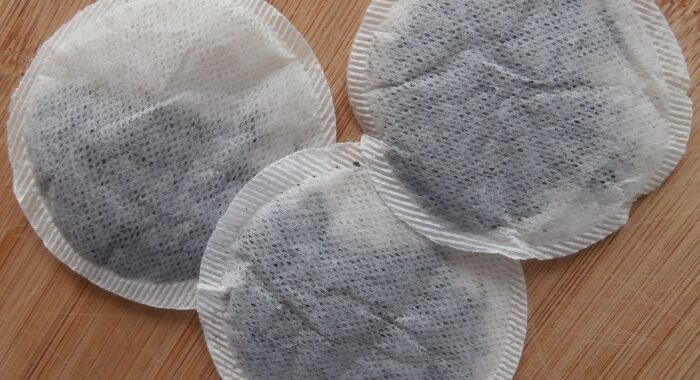
Squeezing adds more concentrated liquor trapped around the leaf and can make an already strong cup seem harsher. It is not a universal mistake; judge it by taste and use the same method when comparing brews.
Oolong brewing temperature
Oolong covers a wide range, from green, lightly oxidized leaves to dark, heavily roasted teas. Leaf shape and brewing style also vary. Treat 85–100 °C as an experimental range, then adjust for the specific tea.
The most useful tea-brewing upgrade
Consistency. A basic scale, a timer and repeatable water make it possible to learn from each cup. Expensive equipment cannot compensate for changing every variable at once.
Water hardness for tea
Most published brewing studies find that moderately soft to moderately hard water (around 30 to 150 ppm total hardness, with total dissolved solids in a similar range) produces the best cup across green, oolong and black teas. Very soft water (under 30 ppm) tends to extract a thin, sometimes metallic cup; very hard water (over 200 ppm) tends to flatten aroma and lift astringency. If your local tap water is outside the working range, a simple charcoal filter with a mineral cartridge is usually enough to bring it back into the band. Spring waters labelled with a total-hardness figure work well when the figure is in the working range; distilled water does not.
The bottom line
Tea brewing is not a contest to extract the largest number. Research consistently shows that temperature, time, dose, particle size and water composition reshape both chemistry and sensory quality. Begin with a reasonable range, keep the experiment controlled, and let the cup — not a universal chart — decide the final recipe.
The single most useful upgrade to a tea routine is consistency of measurement. A simple digital scale, a timer that beeps at 30 seconds, and a kettle that holds a target temperature take the random variables out of the cup and turn brewing into an experiment with a clear result. Once those are in place, the table at the top of this article becomes a starting point rather than a guess, and the small differences between cultivars and harvests become adjustments rather than mysteries. None of that requires expensive equipment; the cost is the habit of writing down what worked.
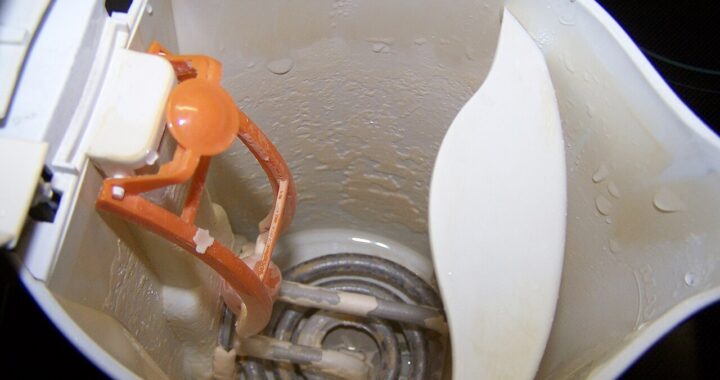
For the storage rules that protect a fresh leaf before brewing, see the storage guide. For how leaf age and oxidation change the chemistry you are extracting, see the green vs black tea comparison. For a focus routine that puts caffeine and L-theanine on a time-of-day map, see best tea for focus. For a step-by-step method and a brewing chart by green tea type, see how to brew green tea. If hard water is leaving scale in your kettle, see how to clean a tea kettle.