Peppermint tea is the best tea for bloating, followed by ginger and fennel. Peppermint oil has the strongest evidence. In 12 trials in people with IBS it more than doubled the chance of overall symptom relief. Ginger roughly halved the time food sat in the stomach in a volunteer study. Fennel has good traditional use but only limited trial data. Chamomile is a gentle extra.
The best teas for bloating, ranked
| Tea | Best for | Strength of evidence |
|---|---|---|
| Peppermint | Bloating with cramps, IBS | Strong for the oil, weaker for the tea |
| Ginger | Feeling full and heavy after meals, nausea | Moderate |
| Fennel | Wind and trapped gas | Limited |
| Chamomile | A calming cup in the evening | Traditional use only |
1. Peppermint tea
Peppermint relaxes the smooth muscle of the gut wall, which can ease spasms and help trapped gas move along. A 2019 meta-analysis of 12 randomised trials with 835 people with irritable bowel syndrome found peppermint oil capsules made overall symptom relief 2.39 times more likely than placebo. Only three people needed to be treated for one to benefit, which is very good for any gut treatment.
Those trials used coated oil capsules that release their menthol in the intestine. A cup of tea is far weaker and acts higher up, so expect a milder effect. Peppermint also relaxes the valve at the top of the stomach, so skip it if you get heartburn or reflux. Our peppermint tea guide covers its other uses.
2. Ginger tea
If your bloating feels like a heavy, overfull stomach after eating, ginger is the better pick. In a 2008 study of 24 healthy volunteers, ginger capsules taken before a meal cut the time for half the food to leave the stomach from 26.7 minutes to 13.1 minutes.
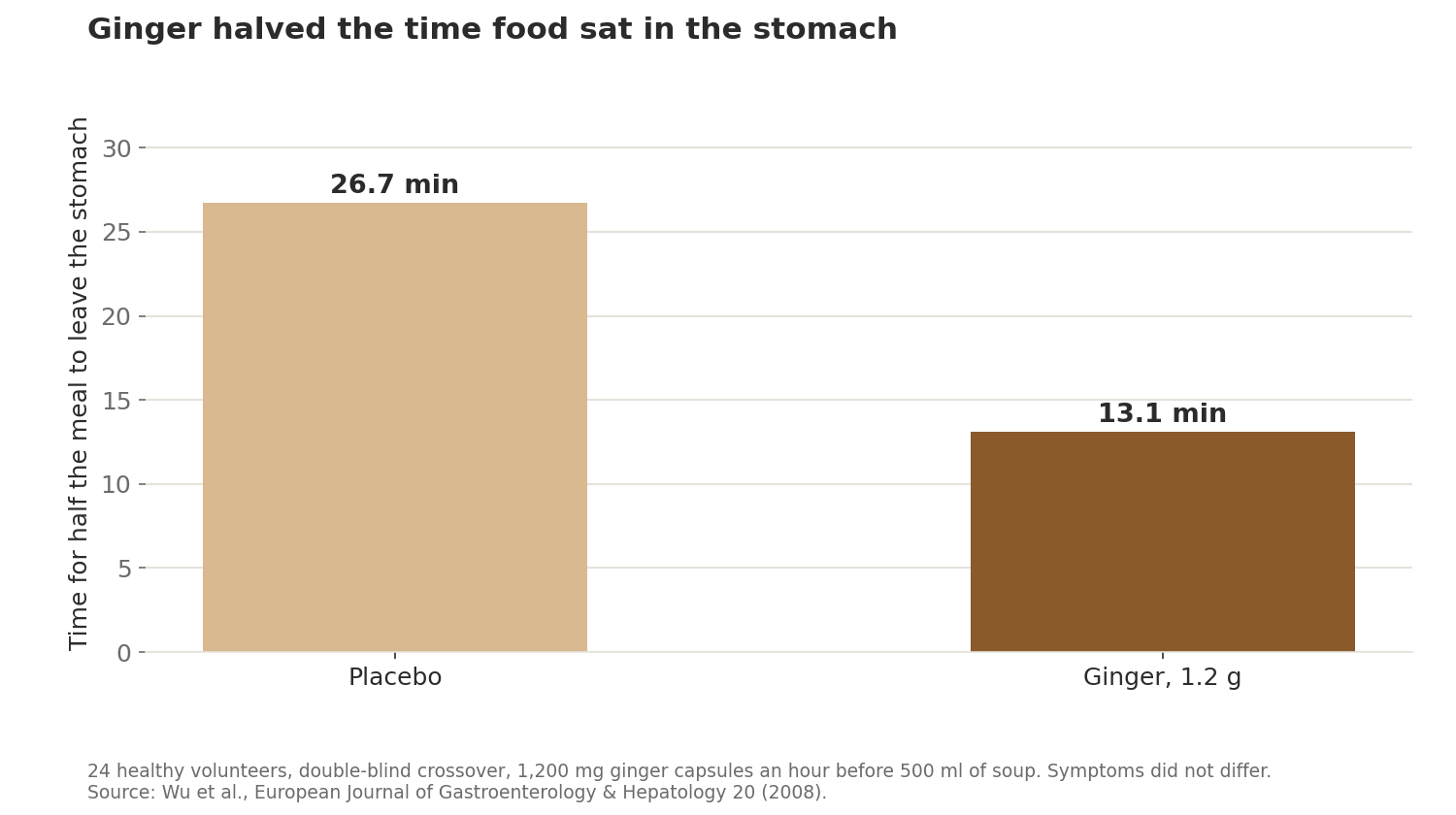
The volunteers did not report fewer symptoms, but they had no digestive problems to start with. Our ginger tea guide has a recipe that is stronger than a teabag, which matters because the study used 1.2 g of ginger.
3. Fennel tea
Fennel seeds have been chewed after meals in India and brewed for colic in Europe for centuries. They contain anethole, which relaxes gut muscle in laboratory studies. Human evidence is thin. In an Italian trial of 121 people with IBS, capsules of fennel oil combined with curcumin reduced symptom scores by about 50%, against 26% on placebo. Because it was a combination, the trial cannot say how much came from the fennel.
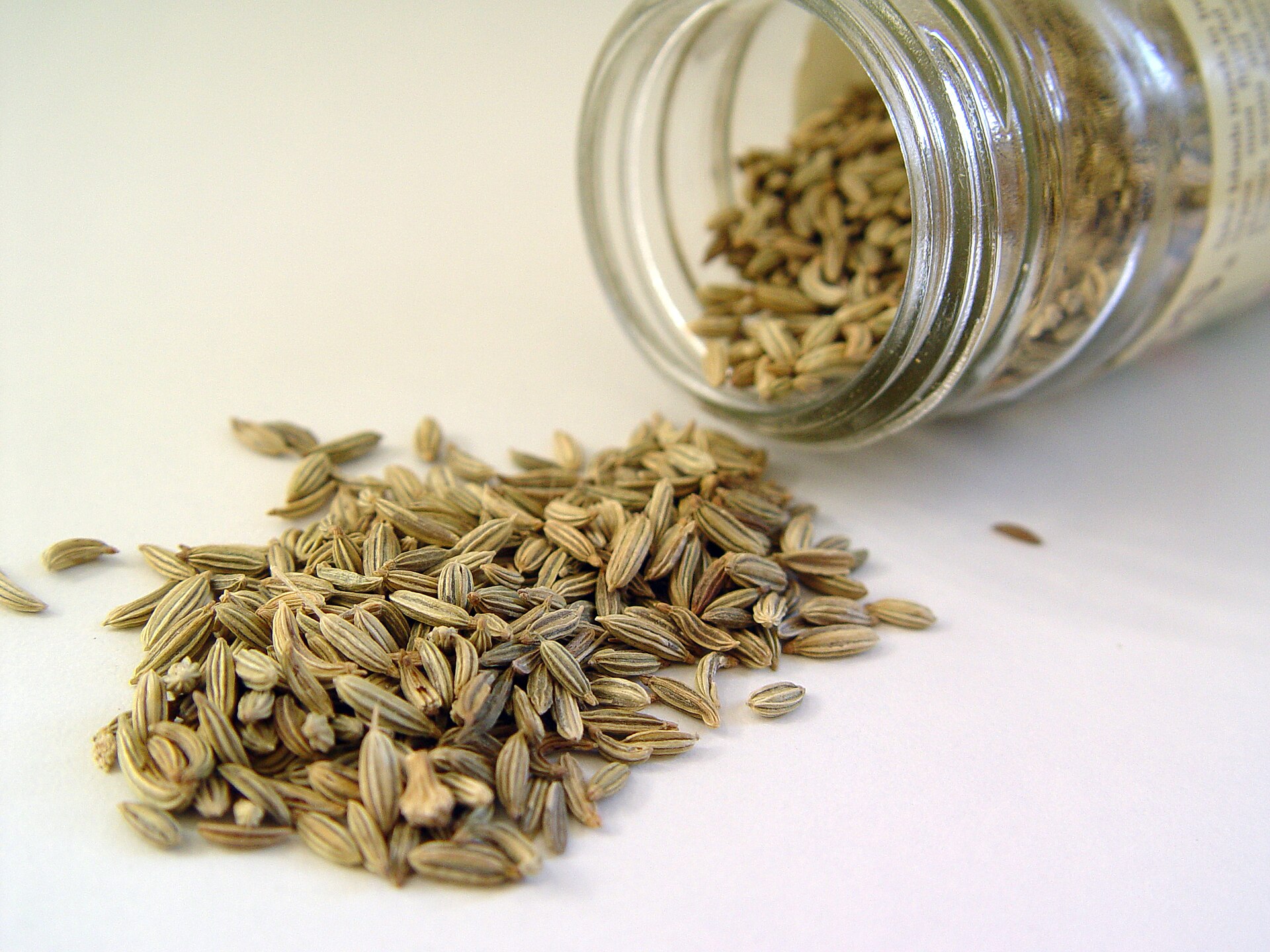
To make it, lightly crush 1 to 2 teaspoons of seeds to release the oils. Pour just-boiled water over them and cover for 10 minutes. It tastes sweet and a little like liquorice.
4. Chamomile tea
Chamomile is a traditional remedy for indigestion and wind, and its mild, calming effect suits bloating that gets worse with stress. There are no good trials of chamomile tea for bloating, so think of it as a pleasant extra. Our chamomile tea guide covers what it is proven to help with.
Teas often recommended for bloating that lack evidence
- Dandelion. Sold for bloating because it is a mild diuretic. That could only affect water retention, not gas, and there are no good trials for either. Ordinary and herbal teas do not dehydrate you, as our hydration guide shows.
- Turmeric. Curcumin has only been tested for gut symptoms in capsules, and the best trial combined it with fennel oil, so there is no evidence for turmeric tea on its own.
- Lemon tea. Pleasant and harmless, but there is no evidence that lemon reduces bloating.
- Green and black tea. No evidence they help, and their caffeine can stimulate the gut and worsen reflux in some people. A herbal tea is the better choice.
When to drink tea for bloating
- Ginger: with a meal or just before it, since it speeds up stomach emptying.
- Peppermint and fennel: after a meal, when wind and cramping usually build. Skip peppermint if you get reflux.
- Chamomile: in the evening, when bloating comes with stress or poor sleep.
Teas that can make bloating worse
- Teas sweetened with sorbitol or other sugar alcohols. Some “slimming” and “detox” blends use them, and they ferment in the gut.
- Senna “detox” teas. Senna is a laxative. It causes cramps and is not meant for regular use.
- Large milky teas if you are lactose intolerant.
- Fizzy iced teas, because the gas has to go somewhere.
When bloating needs a doctor
Occasional bloating after a big meal is normal. The NHS lists feeling bloated most days for at least 3 weeks as a possible sign of ovarian cancer. See a GP if bloating is persistent or comes with weight loss, blood in your stool, a change in bowel habit, or pain that wakes you at night.
Quick answers
Which tea works fastest for bloating?
No trial has compared them head to head. Peppermint has the most evidence for crampy bloating, while ginger suits that heavy, overfull feeling and works best taken with a meal.
Is green tea good for bloating?
There is no evidence that it helps, and its caffeine can upset some stomachs. Herbal options in our caffeine-free tea guide are a better choice.
Is spearmint tea good for bloating?
It is milder than peppermint and has much less menthol, so expect less effect. Its main area of research is hormones, not digestion.
How many cups a day?
Two or three cups a day, ideally after meals, is a sensible amount for most people.
Last updated: 7 October 2026. Sources are linked in the text.
This article is general information, not medical advice. Talk to your doctor or pharmacist before using tea or herbs for a health condition, especially if you are pregnant, breastfeeding or take regular medication.