Typhoo is owned by Supreme plc, a consumer goods company based in Trafford Park, Manchester, and listed on London’s AIM market. Supreme bought the brand out of administration for £10.2 million in late November 2024, days after the old Typhoo Tea Ltd collapsed under heavy losses and debt. Typhoo is still sold in UK shops, and since April 2025 it has been packed at a new Supreme factory in Gloucester called The Plant.
Who owns Typhoo today?
| Level | Who | Notes |
|---|---|---|
| Brand | Typhoo | Launched in Birmingham in 1903 |
| Owner | Supreme plc | Bought the trade, trademark and selected assets in November 2024 |
| Operating company | Supreme Imports Ltd | Supreme’s main trading subsidiary, a distributor of consumer goods |
| Controlling shareholder | Sandy Chadha | Supreme’s chief executive; his concert party controls the group |
Supreme is best known as a wholesaler and brand owner in batteries, lighting, vaping products, sports nutrition and soft drinks. Its annual results for the year to March 2026 list revenue of £270.2 million. Tea is a small part of that, sitting in a drinks and wellness division alongside Clearly Drinks and SlimFast, which Supreme bought in 2025. The same filing names Supreme Imports Ltd as the group’s main trading company and Sandy Chadha and his concert party as the ultimate controlling party.
The deal brought more than the Typhoo name. According to Supreme’s 2025 results, it also picked up the herbal brand Heath & Heather, plus QT, Lift and London Fruit & Herb. For the owners of the other names on the supermarket shelf, see our guide to who owns the big tea brands.
Why did Typhoo go into administration?
Typhoo Tea Ltd appointed Kroll as administrators on 27 November 2024. The joint administrators were Phil Dakin, Janet Burt and Benjamin Wiles. Kroll said the company had faced “significant cash flow constraints as a result of supply chain disruptions”. The deeper problem was years of losses. According to City AM, Typhoo had lost more than £100 million before tax since its last profit, a modest £220,000 in the year to March 2017.
Several things went wrong at once:
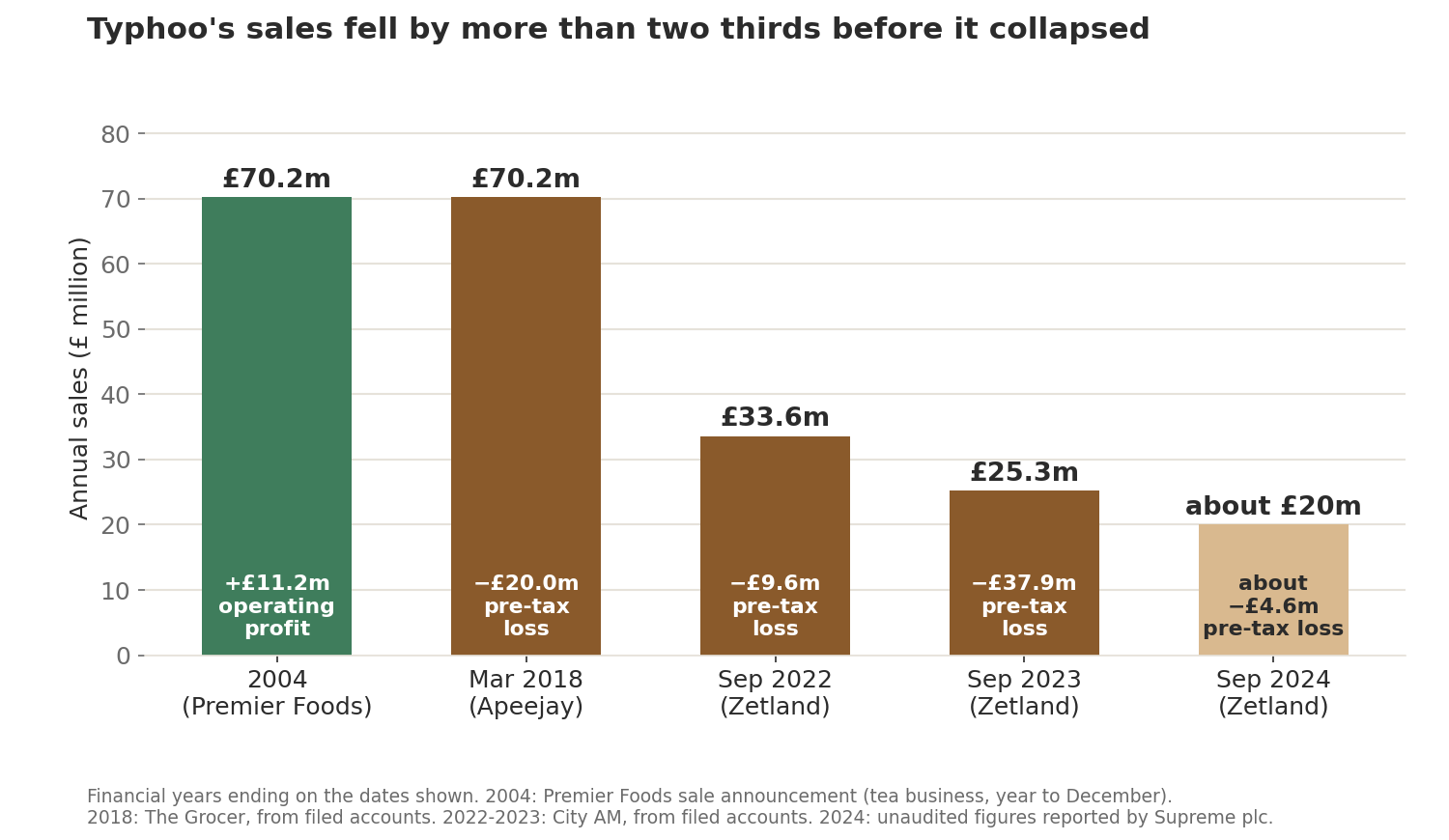
- Falling sales. Sales dropped from £33.6 million to £25.3 million in the year to September 2023. Typhoo also stopped making some loss-making supermarket own-label teas, which had once been a large share of its volume.
- Debt. Supreme’s chief executive told Grocery Gazette that the 2021 takeover had loaded the company with debt: “This is a business that’s not made any money, so how do you support £25 million-plus debt?”
- A rushed factory exit. Typhoo decided in March 2023 to close its Moreton factory and use outside packers instead. The move cost almost 100 jobs, and headcount fell from 198 to 116 in a year.
- A break-in. In August 2023, “organised trespassers” occupied the Moreton site for several days. The company’s accounts said they caused “extensive damage to its fabric and contents”, made the site inaccessible and spoiled stock. One-off costs jumped from £452,000 to £24 million.
The result was a pre-tax loss of £37.9 million in the year to September 2023, against £9.6 million the year before. Production moved to outside packers faster than planned, which raised costs and lowered efficiency. Typhoo later recovered £4.3 million from an insurance claim, but it was not enough.
How Supreme bought Typhoo
Supreme announced the deal on 2 December 2024, and its accounts date the purchase to 29 November. It paid £10.2 million in cash for the trade and selected assets of Typhoo Tea Ltd, including the trademark. Food Manufacture reported that the price included stock and trade debtors with a book value of £7.5 million. In effect, Supreme paid very little for the brand itself, and its accounts later booked a gain on the bargain purchase.
Supreme said Typhoo had sales of about £20 million and a pre-tax loss of about £4.6 million in the year to September 2024. That compares with £70.2 million of sales when Premier Foods sold the tea business in 2005. Typhoo still supplied major supermarkets and discounters, overseas customers in North America and Asia, and catering contracts with the NHS and the Ministry of Defence.
At first Supreme planned to keep production outsourced. It changed course within months. Its 2025 results describe the earlier outsourcing as “poorly executed” and set out a plan to “re-establish inhouse manufacturing”.
The new factory in Gloucester
In April 2025 Supreme opened a tea packing factory in Gloucester, known as The Plant. Typhoo says the site blends, packs and ships its tea bags and that it is certified by the Rainforest Alliance. In its 2026 results Supreme said The Plant made about 380 million tea bags in its first year and is expected to more than double output in the year to March 2027 on almost the same costs.
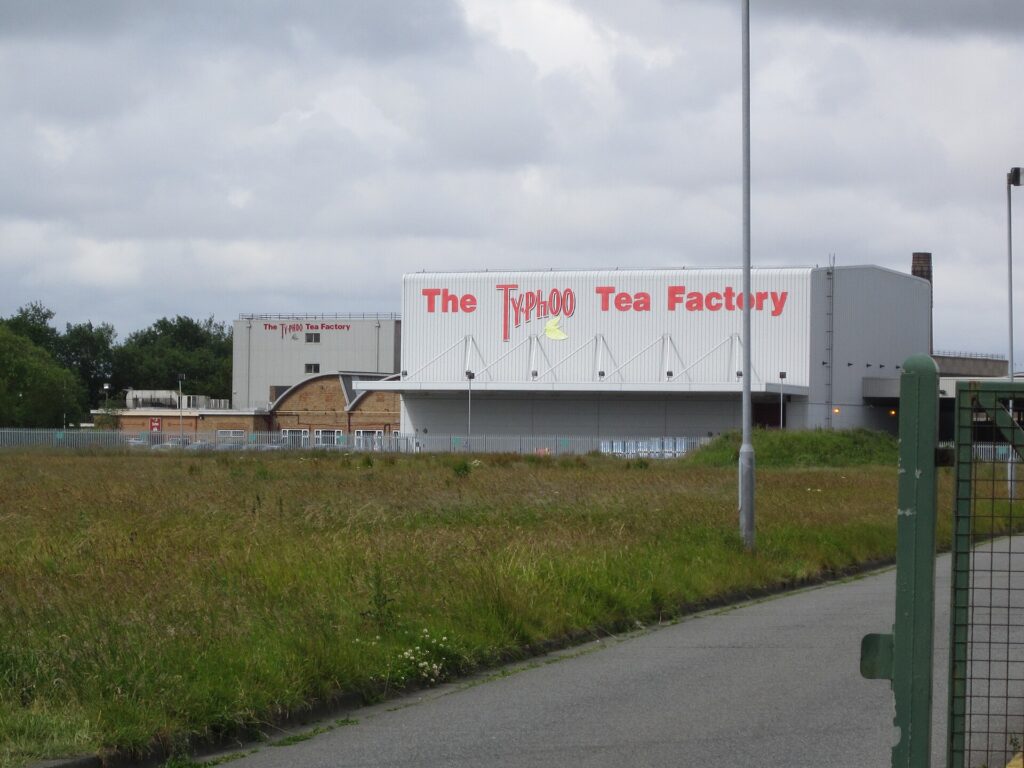
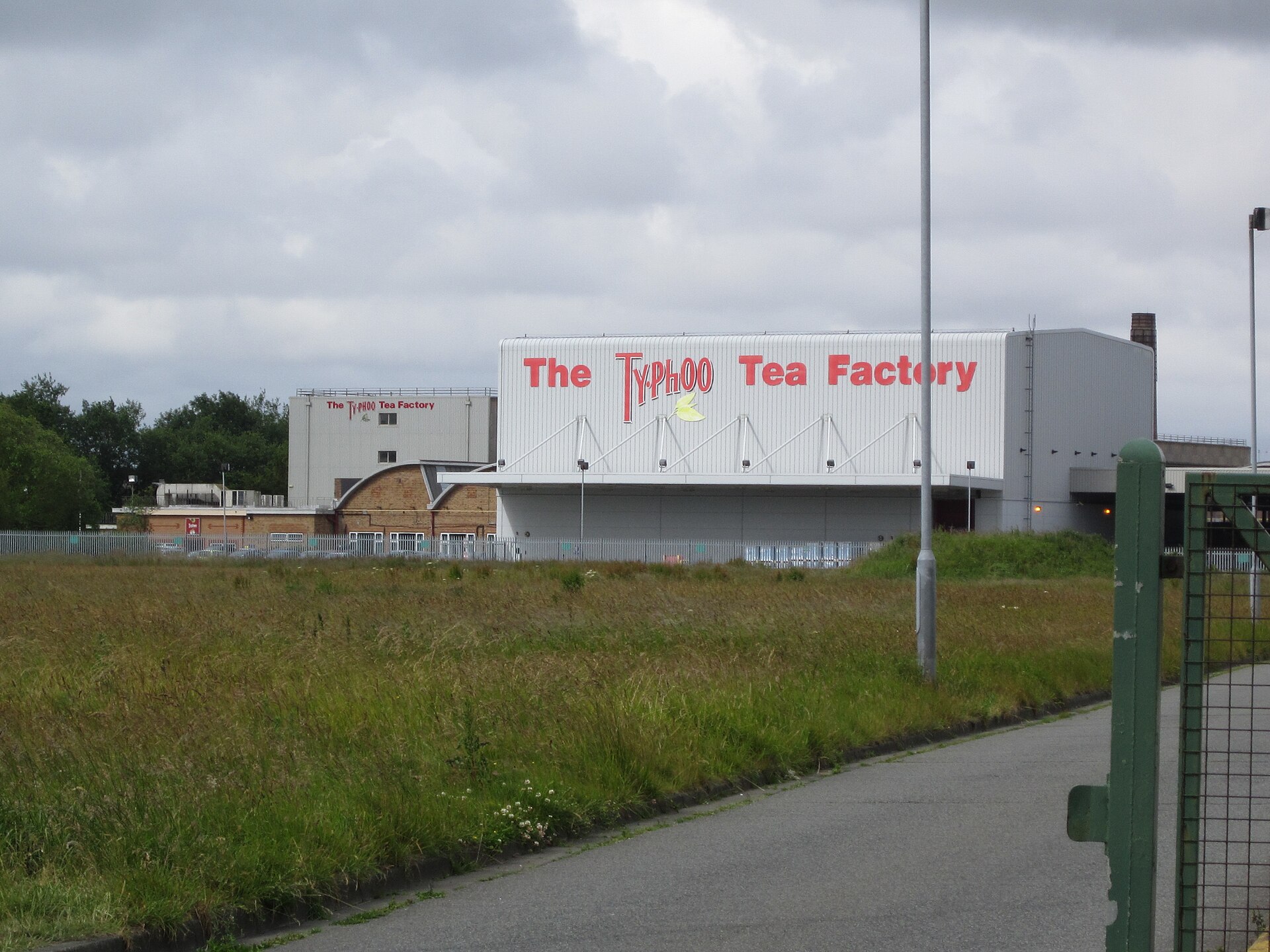
That is a big change. For nearly half a century Typhoo was packed at Moreton on the Wirral. Production had moved there from Birmingham in 1978, and when Apeejay bought the business in 2005, 249 people worked at the site. Now Typhoo is once again made in its own factory, just in a different part of England.
Typhoo’s owners since 1903
Typhoo has changed hands more often than most British tea brands. This timeline draws on the brand’s published history and the deal announcements cited below.
| Years | Owner | What happened |
|---|---|---|
| 1903 to 1968 | Sumner family company | John Sumner launched Typhoo in Birmingham |
| 1968 to 1986 | Schweppes, then Cadbury Schweppes | Merged with Schweppes in 1968; Cadbury joined in 1969 |
| 1986 to 1990 | Premier Brands | Management buyout from Cadbury Schweppes |
| 1990 to 2005 | Hillsdown Holdings, later Premier Foods | Typhoo became part of a large food group |
| 2005 to 2021 | Apeejay Surrendra Group | Bought for £80 million from Premier Foods |
| 2021 to 2024 | Zetland Capital | Private equity firm took a majority stake |
| 2024 to now | Supreme plc | Bought out of administration for £10.2 million |
The Sumner years
John Sumner, a Birmingham grocer, started selling packets of tea fannings in 1903. These small particles left over from processing whole leaf had usually been thrown away. He marketed them as a remedy for indigestion and nervous complaints under the name Typhoo Tipps. The double p is often said to be a printing error that stuck. The name was chosen to sound Chinese, and the brand’s history links it to the Mandarin word for doctor. The idea worked. By the 1930s Typhoo was sold in more than 40,000 shops, and Sumner was knighted in 1932.
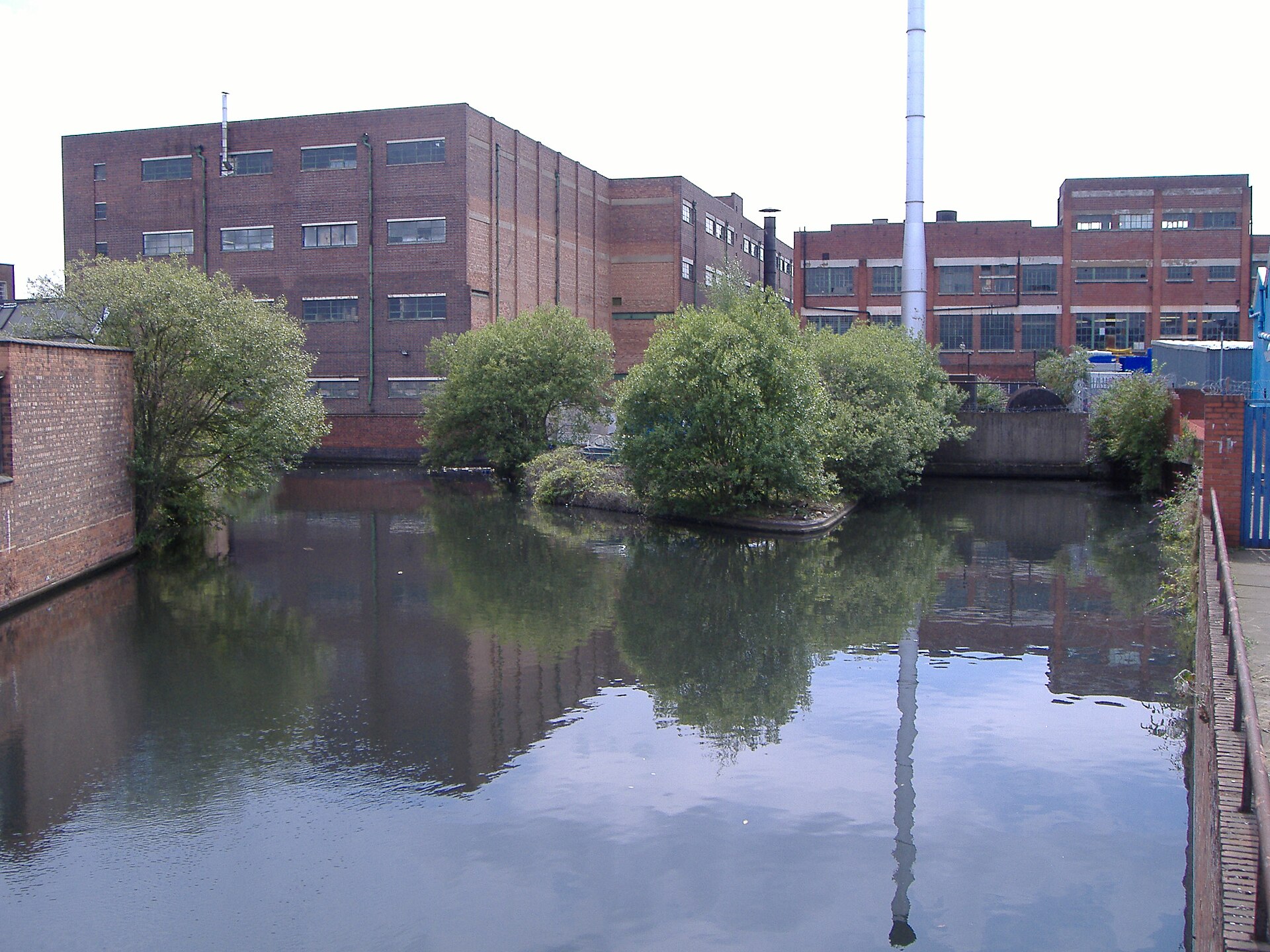
Typhoo’s Birmingham factory stood beside a canal basin in Digbeth, which is still called Typhoo Basin. After production moved to the Wirral, the building stood empty for decades. In 2022 the BBC chose the former Typhoo factory as the site of its new Midlands broadcast centre.
Corporate owners
Typhoo started making tea bags in 1967 and merged with Schweppes the following year. A year later Schweppes joined Cadbury, so for almost two decades Typhoo was a sister brand of Dairy Milk. In 1986 managers bought Typhoo, Kenco coffee and Jeyes Fluid from Cadbury Schweppes to form Premier Brands, which went on to buy the Welsh tea Glengettie and the Scottish brand Melrose’s. Hillsdown Holdings bought the group in 1990, and the business later became part of Premier Foods.
Apeejay and the long decline
In October 2005 the Indian conglomerate Apeejay Surrendra Group, which grows tea in Assam, bought Premier’s tea business for £80 million in cash. The deal included Typhoo, Lift, London Fruit & Herb, Heath & Heather, Glengettie, Melrose’s and Ridgways. That year the tea business made an operating profit of £11.2 million on sales of £70.2 million.
The profits did not last. In the year to March 2018 Typhoo made a £20 million pre-tax loss on flat sales of £70.2 million. The Grocer pointed to higher tea prices, rebranding costs, weak sterling after the Brexit vote and a push into thin-margin own-label work. Typhoo breached the terms of its bank loan. The next year’s loss was £29.9 million.
In July 2021 the London private equity firm Zetland Capital, which specialises in distressed companies, took a majority stake from Apeejay and its lenders. Its plan to cut costs by leaving Moreton did not work out, and three years later the company was in administration.
Is Typhoo still going?
Yes. Typhoo tea is on sale in UK supermarkets, wholesalers and online, and Supreme says the brand “performed solidly” in its first full year. Under Supreme the brand has:
- Reformulated its main blend in 2025 for a “smoother and richer flavour”, with the same blend now used in every pack size, from 80 bags to 1,100.
- Launched Typhoo Gold, a premium everyday blend that includes Assam, and a canned Typhoo Iced Tea made with black tea extract and fruit juice, in October 2025.
- Taken Typhoo Gold into Morrisons, Ocado and Bestway in 2026.
- Swapped the inner foil wrap in its boxes for simpler packaging and moved to fully recyclable polybags.
- Replaced what Supreme called an inconsistent, price-led approach with permanent listings at key retailers, according to the 2026 results.
Typhoo is a strong, brisk blend built for milk. If you want to know what goes into a cup like this, our guides to Assam tea and Ceylon tea cover the two origins behind most British breakfast blends. The old argument over milk in first or last applies too.
Typhoo and its rivals
Typhoo was the third-best-selling tea in Britain by value in 2003, behind PG Tips and Tetley. It had slipped to fifth place by sales volume by 2022. Each of its big rivals has a different kind of owner:
- PG Tips and Lipton belong to LIPTON Teas and Infusions, owned by the private equity firm CVC since 2022.
- Tetley has belonged to India’s Tata group since 2000.
- Twinings is part of Associated British Foods.
- Yorkshire Tea is still family-owned by Bettys & Taylors of Harrogate.
Typhoo is the only one of the big British black tea brands to have gone through administration. It is now also the only one owned by a company whose main business is distribution rather than food or drink.
Quick answers
Who owns Typhoo tea now?
Supreme plc, a Manchester consumer goods company listed on AIM, through its subsidiary Supreme Imports. It bought the brand in November 2024.
Is Typhoo still in administration?
No. The old company, Typhoo Tea Ltd, went into administration in November 2024, but the brand, stock and trade were sold to Supreme within days. Typhoo has been trading normally under Supreme since then.
How much did Supreme pay for Typhoo?
£10.2 million in cash. That included stock and money owed by customers worth about £7.5 million, so the brand itself cost very little. Apeejay had paid £80 million for the wider tea business in 2005.
Is Typhoo still made in Britain?
Yes. Since April 2025 Typhoo has been blended and packed at Supreme’s factory in Gloucester. The tea itself is grown overseas, as with every major British brand.
Is Typhoo owned by a vape company?
Partly true. Supreme sells vaping products, including its own 88vape brand, but it also sells batteries, lighting, sports nutrition, soft drinks and diet products. Vaping is one of several categories, not the whole business.
Where did the name Typhoo come from?
John Sumner chose it in 1903 because it sounded Chinese. The company says it comes from the Mandarin word for doctor, which fitted his claim that the tea aided digestion.
However you take it, store your tea bags in a sealed tin away from light and smells. Our tea storage guide explains why.
Sources
- Supreme plc. Final results for the year ended 31 March 2026. RNS, 1 July 2026.
- Supreme plc. Final results for the year ended 31 March 2025. RNS, 1 July 2025.
- Food Manufacture. Typhoo acquired from administration in £10.2m deal. 2 December 2024.
- Grocery Gazette. Typhoo Tea new owner pledges turnaround after brand was strangled by debt. 3 December 2024.
- The Caterer. Typhoo enters administration as it seeks buyer. November 2024.
- City AM. Typhoo Tea collapses into administration with over 100 jobs at risk. 28 November 2024.
- City AM. Typhoo Tea loss widens after trespassers cause extensive damage to factory. 20 August 2024.
- Food Manufacture. Typhoo Tea acquired by Zetland Capital. 19 July 2021.
- The Grocer. Typhoo falls to £20m loss as tea and operating costs soar. 18 April 2019.
- Food Ingredients First. Premier agrees to sell tea business to Apeejay Surrendra Group. 14 October 2005.
- Typhoo Tea. The Plant: where the ooO starts in Typhoo. 12 August 2025.
- Typhoo Tea. Launching Typhoo Iced Tea and Typhoo Gold. 1 October 2025.
- Invest West Midlands. BBC Midlands moving to new broadcast centre in Birmingham. 3 August 2022.
- Wikipedia. Typhoo (ownership history).
- Wikipedia. John Sumner (tea merchant).
Last updated: 9 October 2026. Sources are linked in the text.