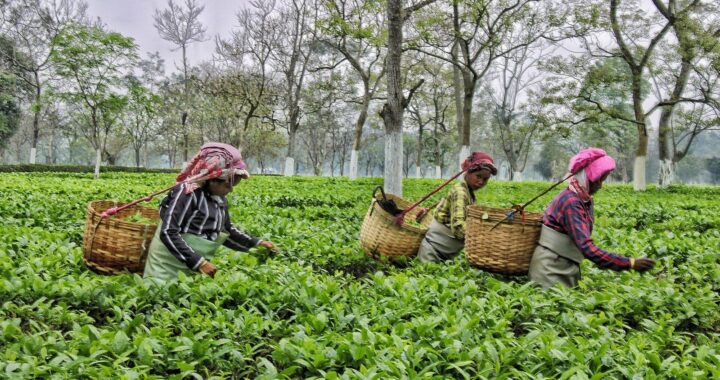
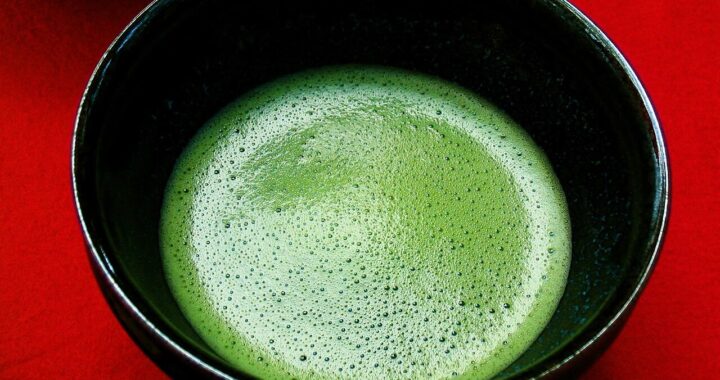
Ceylon tea is tea grown and made in Sri Lanka, which was called Ceylon until 1972. Most of it is black tea, bright and brisk, with a citrus edge in the high-grown teas and more body in the low-grown ones. A typical cup has about 40 to 50 mg of caffeine. Sri Lanka made about 264 million kg of it in 2025 and exported more than US$1.5 billion worth.

What is Ceylon tea?
Ceylon tea is not a single tea or a blend. It is any tea grown in Sri Lanka, in the same way that Darjeeling and Assam are teas named after places in India. All of it comes from the tea plant, Camellia sinensis. The island kept its colonial name for tea because buyers had known it as Ceylon for a century before the country became the Republic of Sri Lanka.
Most Ceylon tea is black tea, but Sri Lanka also makes some green tea and white tea, including silver tips made only from unopened buds. Our green tea vs black tea guide explains how the same leaf becomes either one. A classic Ceylon black tea brews bright reddish-gold and tastes lively and slightly astringent, a quality tasters call briskness.
Where Ceylon tea grows
Tea grows in the hills of the south and centre of the island. The trade sorts it into three elevation bands, because height above sea level does more than anything else to shape the taste:
- High grown, above 1,200 metres. Slow-growing leaf gives light, fragrant, brisk tea.
- Mid grown, from 600 to 1,200 metres. Rich, full-bodied teas with good colour.
- Low grown, below 600 metres. Fast-growing bushes give dark, strong, sweet teas with large black leaf.
The Sri Lanka Tea Board also recognises seven named growing districts. A tea can carry a district name only if it was grown and made in that district. The table uses altitudes from the Tea Board and the Tea Exporters Association. Elevations vary from estate to estate, so treat them as typical ranges.
| District | Elevation | Typical cup |
|---|---|---|
| Nuwara Eliya | High, averaging about 2,000 m | The palest Ceylon tea, golden with a delicate, fragrant aroma |
| Uda Pussellawa | High | Darker with a pinkish hue, tangy, medium body |
| Dimbula | High, all estates above 1,250 m | Golden-orange, mellow and refreshing |
| Uva | High, 1,000 to 1,600 m | Smooth and mellow with a distinctive aroma |
| Kandy | Mid, up to about 1,300 m | Bright and coppery, strong and full-bodied |
| Sabaragamuwa | Low, sea level to 610 m | Dark, reddish, with a hint of caramel |
| Ruhuna | Low, below 600 m | Full-flavoured, often with long black leaf and tips |
The monsoons also matter. The north-east monsoon brings rain from December to March and the south-west monsoon from June to September. While one side of the central hills is wet, the other gets dry, cool winds, and that is when its best tea is made. Western districts such as Dimbula and Nuwara Eliya peak early in the year, and Uva on the eastern side peaks in mid-year.
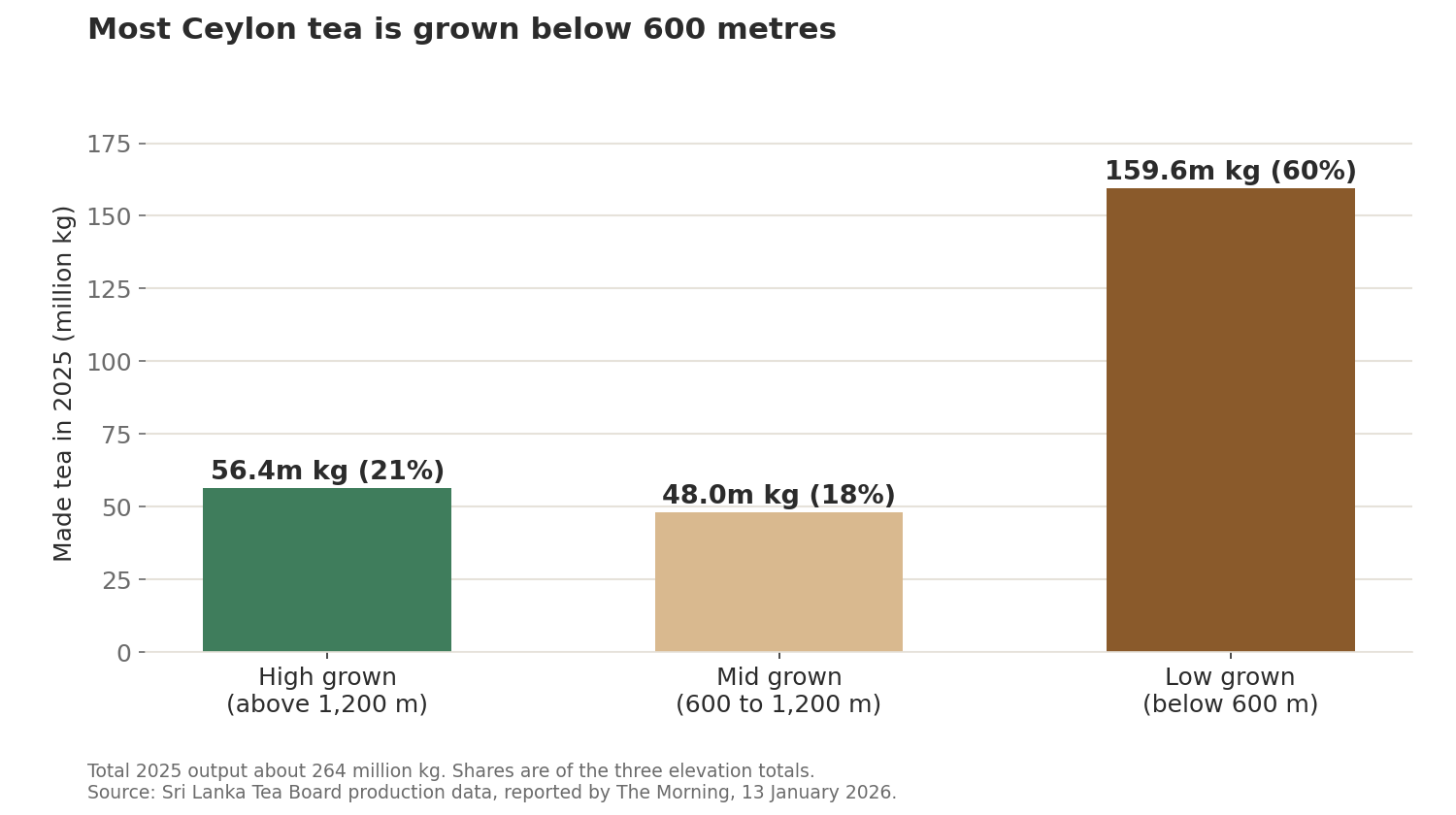
The famous high-grown teas are the smaller part of the crop. According to Tea Board figures for 2025, low-grown tea made up about 60% of the 264 million kg total. Much of it comes from smallholders in the south and goes to buyers in the Middle East and Russia, who like its darker, heavier style.
How Ceylon tea is made
Sri Lanka is known for orthodox tea, made by rolling the leaf rather than shredding it. The steps are much the same on most estates:
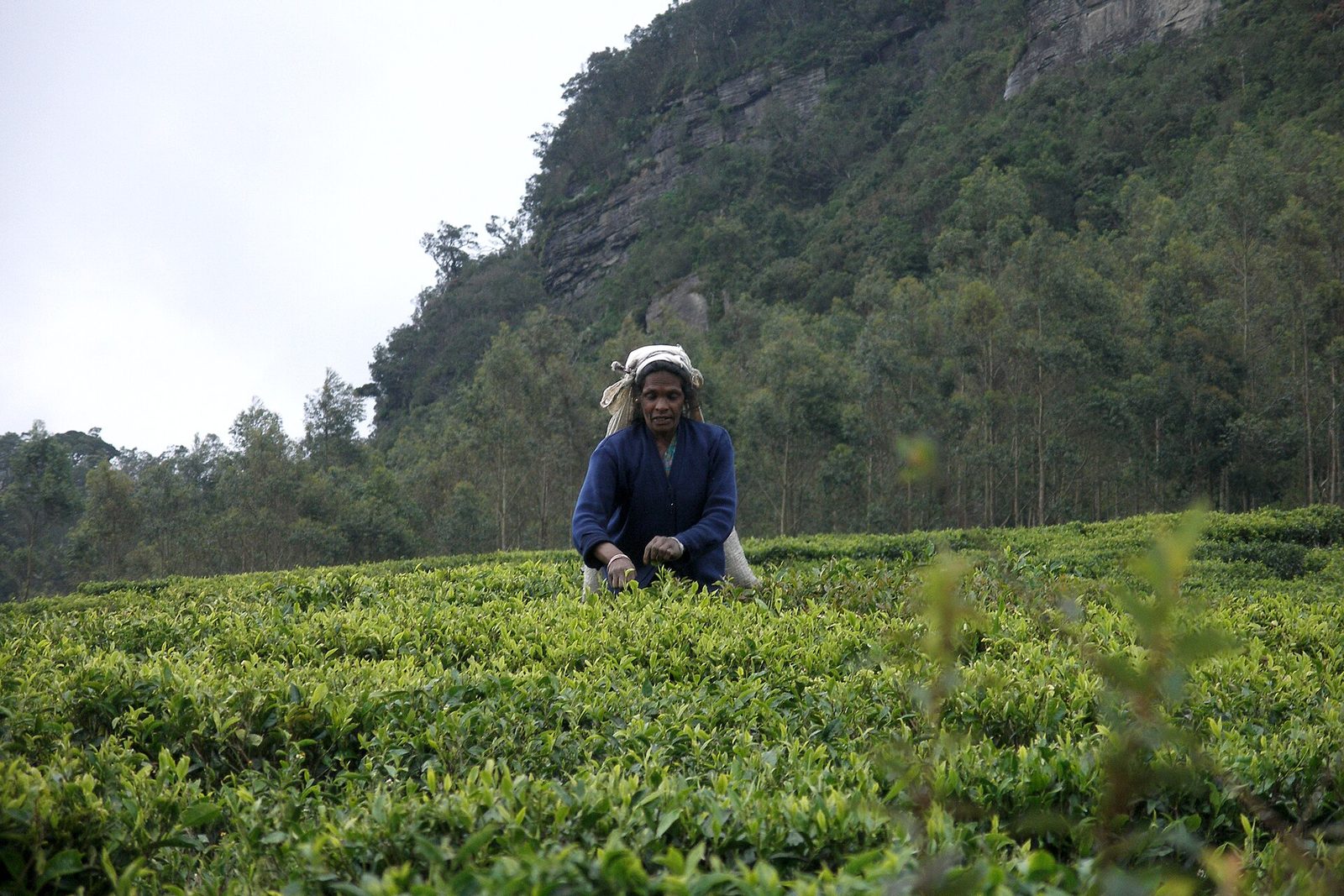
- Pluckers pick the top two leaves and a bud by hand, all year round.
- The leaf is withered on troughs with air blown through it until it is soft enough to roll.
- Rolling machines twist and bruise the leaf, which starts oxidation.
- The leaf oxidises (the trade still says ferments) in a cool room until it turns coppery.
- Hot-air dryers stop the oxidation, and the tea is sifted into grades by leaf size.
Some factories, mostly in low-grown areas, also make CTC tea. The leaf is crushed, torn and curled into small pellets that brew fast and strong, which suits tea bags.
Ceylon tea grades
Ceylon tea packs often carry letters such as BOP or OP. These describe the size and look of the leaf after sifting, not its quality. A fine BOP from a good estate can easily beat a poor OP.
| Grade | Stands for | What it is |
|---|---|---|
| OP | Orange Pekoe | Long, wiry whole leaves that give a lighter, aromatic cup |
| Pekoe | Pekoe | Shorter, curled whole leaf, rolled more tightly than OP |
| BOP | Broken Orange Pekoe | The classic Ceylon grade, medium broken leaf with a brisk cup |
| FBOP | Flowery Broken Orange Pekoe | Broken leaf with golden or silver tips |
| BOPF | Broken Orange Pekoe Fannings | Small particles that brew quickly, the main tea bag grade |
| Dust | Dust | The finest particles, very strong and fast |
A short history of Ceylon tea
Ceylon was a coffee island before it was a tea island. Tea plants from China were tried as early as 1824, but coffee made the planters’ money until a fungal disease, coffee leaf rust, reached the island in 1869 and wiped out the estates over the next 15 years.
A Scottish planter, James Taylor, had already started on tea. In 1867 he planted 19 acres of the Loolecondera estate near Kandy with seed from Assam, and worked out how to roll and dry the leaf on the veranda of his bungalow. According to the Pure Ceylon Tea history, his first consignment to London weighed just 23 lb. As coffee died, more than 120,000 hectares were replanted with tea.
The first tea auction in Colombo was held on 30 July 1883, and the Colombo auction is still one of the world’s largest. In 1890 Thomas Lipton bought the Dambatenne estate in Uva, as the Daily FT recounts, and sold Ceylon tea cheaply in his British shops as “direct from the tea garden to the tea pot”. Most Lipton tea today is a multi-origin blend, and the brand has changed hands, as our guide to who owns Lipton explains. When Ceylon became Sri Lanka in 1972, the tea kept its old name.
The Lion logo and how to spot real Ceylon tea
The Sri Lanka Tea Board owns a lion logo that guarantees origin. Under the Tea Board’s rules, a brand may print it only on consumer packs of 100% pure Ceylon tea that were packed in Sri Lanka and meet the Board’s quality standards. By 2016 the logo had been registered in 98 countries.
So plenty of genuine Ceylon tea has no lion. A foreign brand that packs Sri Lankan leaf at home cannot use it. Without the lion, look for “100% Ceylon” or a named district on the pack. “Ceylon blend” or a list of origins means only part of the tea is from Sri Lanka.
How much caffeine is in Ceylon tea?
Ceylon black tea has about as much caffeine as other black teas. The USDA’s food database lists brewed black tea at 20 mg per 100 g, or about 47 mg in a 237 ml (8 oz) cup. In a lab study of 20 commercial teas, a serving of black, green or white tea held between 14 and 61 mg, and steeping time made a bigger difference than the type of tea.
A mug of filter coffee usually has two to three times as much. Most healthy adults can have up to 400 mg of caffeine a day, or 200 mg in pregnancy. Our tea caffeine chart compares every type.
Ceylon tea benefits
There is little research on Ceylon tea as such. The evidence is for black tea in general, and the effects are real but small.
- Blood pressure. In a six-month randomised trial of 95 Australian adults, three cups of black tea a day lowered 24-hour blood pressure by about 2 mmHg compared with a caffeine-matched placebo drink. The trial was part-funded by Unilever, then the owner of Lipton.
- Polyphenols. Black tea is rich in compounds such as theaflavins. A 2025 analysis of tea from four Ceylon districts found Nuwara Eliya tea had the highest polyphenol content and antioxidant capacity in lab tests. Lab antioxidant scores do not prove a health effect in people.
There are two cautions:
- Iron. Tea polyphenols reduce the absorption of iron from plant foods. If you are low in iron, drink tea between meals. See our guide to tea and iron absorption.
- Fluoride. Tea plants take up fluoride from the soil. A study of 25 Ceylon tea samples found 0.32 to 1.69 mg of fluoride per litre of brewed tea. That is fine for normal drinking but adds up for people who drink many litres a day.
Ceylon tea vs English Breakfast, Assam and Darjeeling
English Breakfast is a blend, not an origin. It usually mixes Assam for body with Ceylon for brightness, and often tea from Kenya or Malawi. A pure Ceylon tea is lighter and crisper than most English Breakfast blends.
| Tea | Where from | Taste | Best with |
|---|---|---|---|
| Ceylon | Sri Lanka | Bright, brisk, citrusy | With or without milk, iced |
| Assam | North-east India, lowland | Malty, strong, full-bodied | Milk |
| Darjeeling | Himalayan India, high | Light, floral, muscatel | No milk |
| English Breakfast | Blend of origins | Strong, rounded | Milk |
Ceylon tea is a common base for Earl Grey, because its clean flavour carries bergamot well. Jasmine is different, as it is usually made with green tea; our jasmine tea guide explains how.
How to brew Ceylon tea
- Amount. Use 2 to 3 g of loose tea, about one teaspoon, or one tea bag per 250 ml cup.
- Water. Use freshly boiled water, at 95 to 100°C.
- Time. Steep 3 to 4 minutes for broken grades such as BOP, and 4 to 5 minutes for whole-leaf OP. Longer mostly adds bitterness.
- Milk. Low-grown and Kandy teas take milk well. Delicate Nuwara Eliya tea is best plain or with lemon.
- Iced. Ceylon tea stays clear when chilled and makes excellent cold brew.
Our tea brewing temperature and steep time guide covers the other tea types.
The Ceylon tea industry today
Tea is one of Sri Lanka’s largest exports and supports more than a million jobs directly or indirectly. According to Tea Board export data, the country shipped 257.4 million kg in 2025 and earned more than US$1.5 billion. Iraq was the largest buyer, ahead of Russia and Türkiye. Sri Lankan families have also built their own export brands, the best known being Dilmah, whose producer-owned model we have covered separately.
Output fell sharply in 2022 after a short-lived ban on chemical fertiliser, and costs for wages and fuel keep rising. Climate is a longer-term worry. A 2021 study modelled how weather affects the chemistry of fresh tea leaves and concluded that climate change has started to diminish Ceylon tea quality.
Quick answers
Is Ceylon tea the same as black tea?
Usually, but the name refers to where it was grown, not how it was made. Sri Lanka also produces Ceylon green tea and Ceylon white tea.
Does Ceylon tea have more caffeine than green tea?
Usually a little more per cup, because black tea is brewed with hotter water for longer. The ranges overlap, and a strong green tea can match a weak cup of Ceylon.
Is Ceylon tea good for you?
Plain Ceylon tea is a healthy everyday drink for most people. It has almost no calories, and trials link regular black tea to slightly lower blood pressure. Sugar and syrups cancel out much of the benefit.
What is the best Ceylon tea for beginners?
Start with a BOP from Dimbula or Uva. It is bright and balanced, works with or without milk, and shows the Ceylon character more clearly than a tea bag. If you like lighter teas, try a Nuwara Eliya next.
Sources
- Sri Lanka Tea Board. Tea growing regions.
- Sri Lanka Tea Board. Lion logo, symbol of quality.
- Tea Exporters Association Sri Lanka. Growing regions.
- The Morning. Tea production: Ceylon tea sees marginal 0.57% rise in 2025. 13 January 2026.
- Daily Mirror. Sri Lanka’s tea exports cross US$ 1.5bn mark in 2025. 23 January 2026.
- Pure Ceylon Tea. The birth of Ceylon tea.
- Hodgson et al. Effects of black tea on blood pressure: a randomized controlled trial. Archives of Internal Medicine, 2012.
- Zhang et al. Analyzing catechins and catechin derivatives in Ceylon black tea. Food Chemistry X, 2025.
- Chandrajith et al. Fluoride in Ceylon tea and its implications to dental health. Environmental Geochemistry and Health, 2007.
- Jayasinghe et al. The future of high-quality Ceylon tea seems bleak in the face of climate change. International Journal of Biometeorology, 2021.
- Chin et al. Caffeine content of brewed teas. Journal of Analytical Toxicology, 2008.
- USDA FoodData Central. Tea, black, brewed, prepared with tap water.
Last updated: 9 October 2026. Sources are linked in the text.