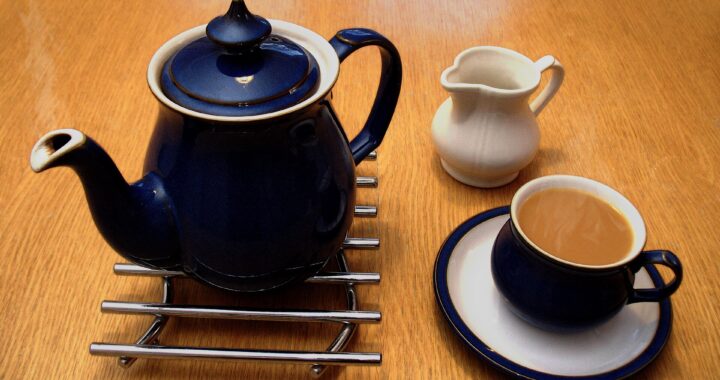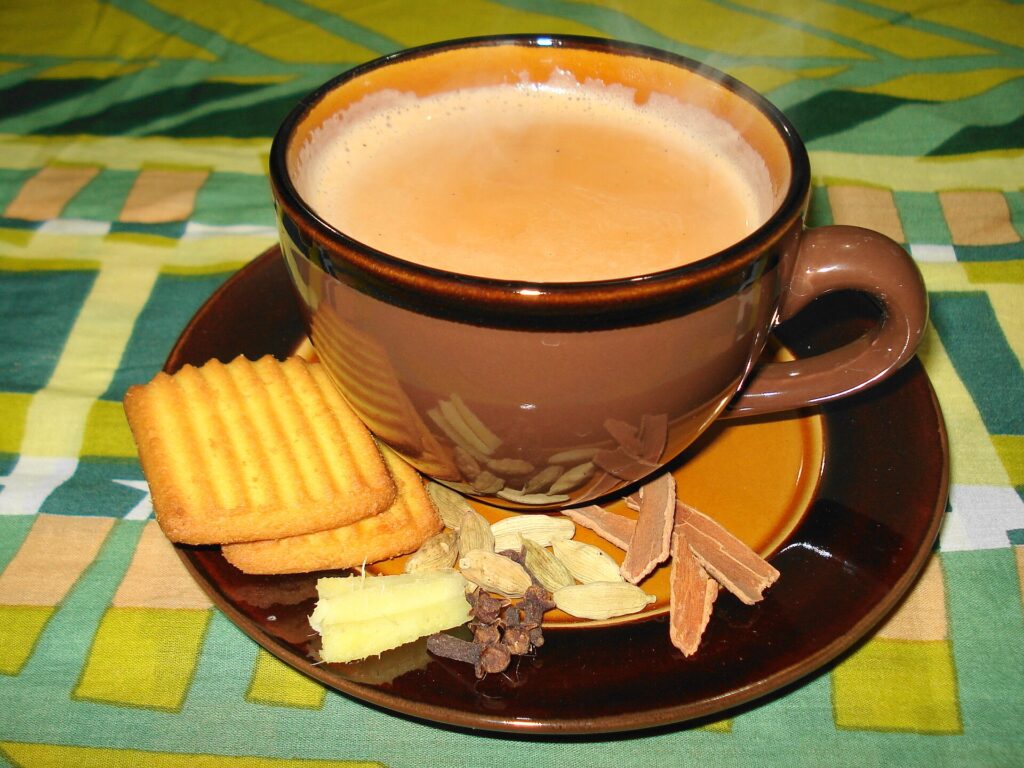
Masala chai is strong black tea simmered with milk, sugar and whole spices, usually cardamom, ginger, cinnamon, cloves and black pepper. To make two cups, simmer the spices in water for a few minutes, add a strong Assam tea, then add milk and bring it to the boil before straining. The recipe below gives exact amounts, a make-ahead spice blend and the regional styles worth knowing. It also covers the caffeine, sugar and cinnamon facts that most chai recipes leave out.
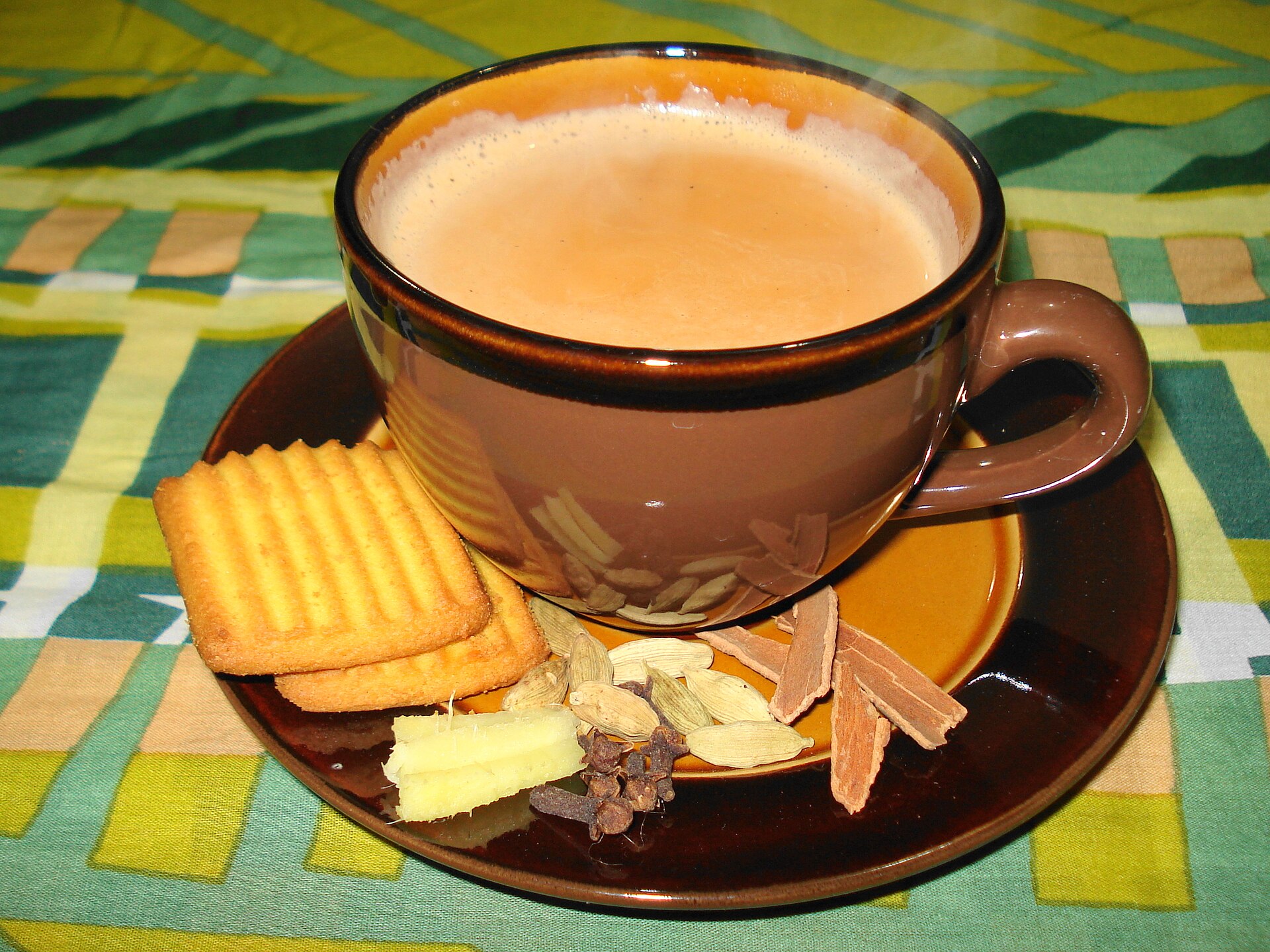
What is masala chai?
Chai is simply the word for tea in Hindi and many other languages, from the Chinese cha. Masala means a spice mix. So masala chai is spiced tea, and “chai tea”, as it is often called in the West, translates as “tea tea”. In India, ordinary chai is already made with milk and sugar. The masala version adds spices.
There is no single recipe. Every household and street vendor has their own balance. Most versions share three things: a strong black tea that can stand up to milk, milk and tea simmered together rather than milk added at the end, and enough sugar to round out the spices.
How chai became India’s national drink
Tea grew wild in Assam, but drinking it as an everyday beverage is newer in India than many people think. The historian Philip Lutgendorf traced how chai spread. Tea arrived as a colonial cash crop in the early 19th century, grown almost entirely for export to Britain. Most Indians did not drink it.
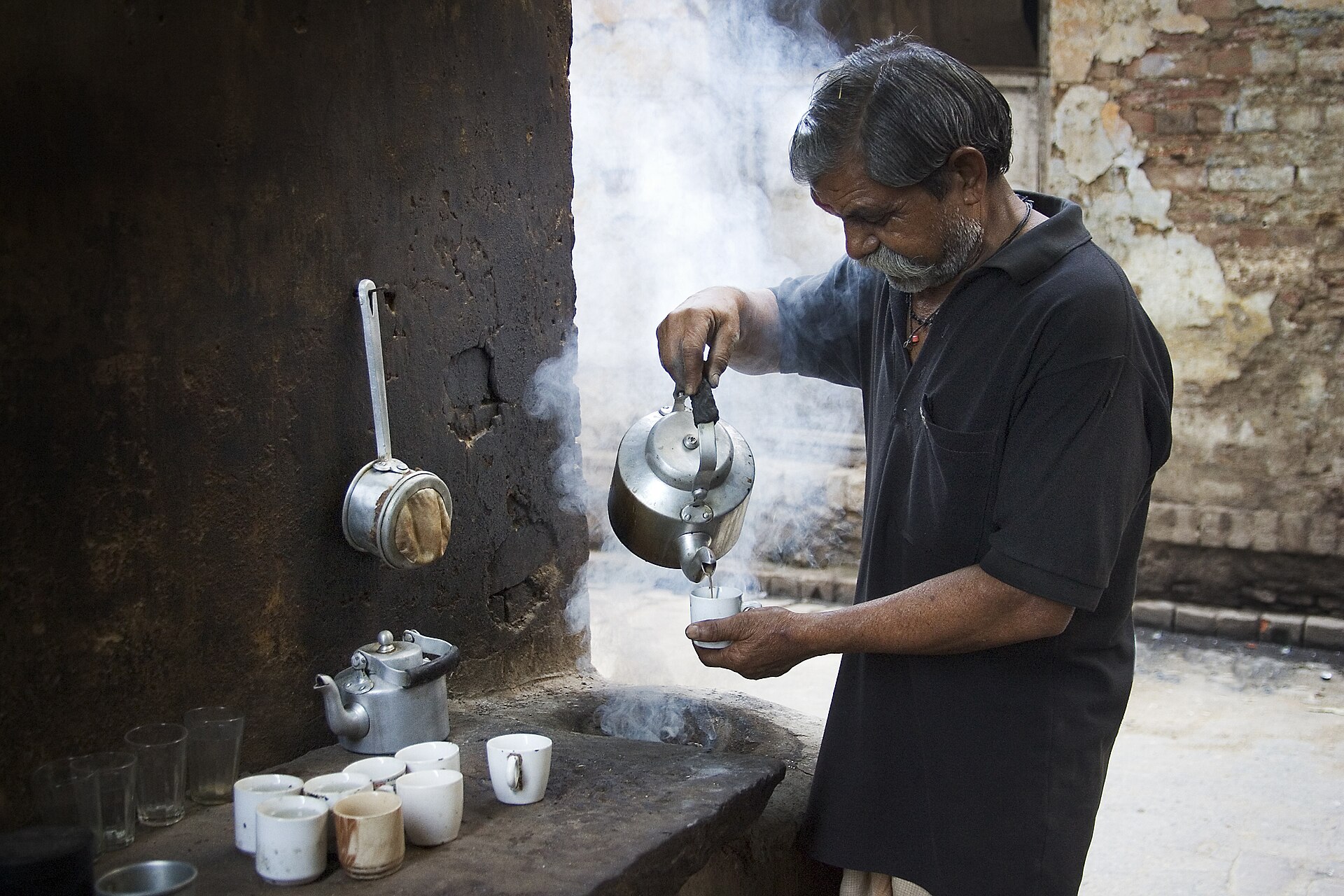
That changed in the 20th century. Facing a glut, the tea industry ran aggressive campaigns to build a home market, from the 1930s onward. Promoters handed out free cups at railway stations and markets and demonstrated the “proper” British way to brew it. New processing methods made Assam tea cheaper and stronger. The industry wanted tea served with a dash of milk and sugar. Street vendors, the chai wallahs, had other ideas. They boiled the leaf with plenty of milk, sugar and spices. That stretched an expensive ingredient and produced a drink people loved. By mid-century the vendors’ version had won, and chai is now often called India’s national drink.
Choosing the tea
Use a strong, malty black tea. The classic choice is Assam CTC, which stands for crush-tear-curl. The leaf is processed into small, hard granules that release colour and strength quickly, and that body survives boiling with milk. Kenyan CTC works just as well. Whole-leaf Assam gives a smoother, more expensive cup. A breakfast blend in tea bags is fine in a pinch: use two or three bags for two cups.
Avoid delicate teas. Darjeeling, green tea and most Chinese teas get lost under milk and spice, and boiling brings out bitterness. Our green vs black tea guide explains why black tea has the body for it. For a caffeine-free version, rooibos is the best substitute, since it also tolerates boiling.
Masala chai recipe
Ingredients for two cups
| Ingredient | Amount | Notes |
|---|---|---|
| Water | 300 ml (1 1/4 cups) | Filtered if your tap water is hard |
| Whole milk | 200 ml (generous 3/4 cup) | Or oat milk; see the notes below |
| Assam CTC tea | 2 heaped tsp (about 5 g) | Or 2 to 3 strong tea bags |
| Green cardamom | 3 to 4 pods | Lightly crushed |
| Fresh ginger | 2 to 3 cm piece | Crushed or grated |
| Cinnamon | 2 cm piece of stick | Ceylon if you drink chai daily |
| Cloves | 2 | |
| Black peppercorns | 3 to 4 | Lightly crushed |
| Sugar or jaggery | 2 to 4 tsp | To taste |
Method
- Crush the cardamom, ginger and peppercorns lightly with a mortar and pestle or the flat of a knife. This opens them up so they flavour the water quickly.
- Put the water and all the spices in a small pan. Bring to the boil, then simmer for 3 to 4 minutes until the water is fragrant and lightly coloured.
- Add the tea. Simmer for 1 to 2 minutes, until the liquid turns a deep reddish brown.
- Pour in the milk and add the sugar. Raise the heat and bring it back to the boil.
- When the chai foams up towards the rim, lower the heat or lift the pan off. Let it settle, then bring it back up once or twice more. This is how vendors build a thick, rounded body.
- Strain into cups through a fine sieve and serve straight away.
The finished chai should be the colour of milky caramel. If it looks pale, the tea was too weak or the milk went in too soon. If it tastes harsh, cut the boiling time after adding the tea.
Tips that make the difference
- Fresh ginger beats dried for brightness, but add it to the water, not the milk. Raw ginger can make milk curdle if they simmer together for long before the tea goes in.
- Plant milks. Oat milk holds up best to boiling. Soy works. Almond and rice milk are thin and can separate, so add them at the end and only warm through.
- Sweeten while it cooks. Sugar dissolved in the pan blends with the spices better than sugar stirred in afterwards. Jaggery adds a deeper, toffee note.
- Strength. If you like it strong, add more tea, not more boiling time. Long boiling extracts tannins and makes chai bitter.
Make your own chai masala
A jar of ground chai masala saves crushing spices every morning. Use about a quarter teaspoon per cup, added with the tea.
- 2 tbsp ground dried ginger
- 1 tbsp green cardamom seeds (from about 40 pods)
- 1 tbsp black peppercorns
- 1 tsp whole cloves
- 2 cinnamon sticks, about 8 cm each, broken up
- 1/2 tsp freshly grated nutmeg (optional)
Toast the whole spices in a dry pan over low heat for 1 to 2 minutes until fragrant, cool them, then grind finely with the dried ginger and nutmeg. Store in a small airtight jar away from light and use within two to three months. Ground spices fade just like loose tea, as our storage guide explains.
Regional styles of chai
| Style | Where | What makes it different |
|---|---|---|
| Adrak chai | Across India | Ginger only, often lots of it, popular in winter and for colds |
| Elaichi chai | Across India | Cardamom only, sweet and fragrant |
| Cutting chai | Mumbai | A half glass of strong, sweet chai, shared or drunk quickly |
| Irani chai | Hyderabad | Tea brewed slowly and mixed with milk reduced until thick |
| Noon chai | Kashmir | Green tea leaves, salt and baking soda give a pink, salty tea |
| Tulsi chai | North India | Holy basil leaves simmered with the tea |
How much caffeine is in masala chai?
Masala chai has about as much caffeine as a regular cup of black tea, sometimes more because the leaf is simmered. When US researchers measured brewed teas, black, green and white teas ranged from 14 to 61 mg per serving, and longer steeping raised the figure. The NHS uses 75 mg as a typical cup of tea. Spices add no caffeine, and milk does not remove it. A strong homemade chai with extra leaf can approach a small coffee. Our tea caffeine comparison sets it beside other drinks.
If you are pregnant, count each cup towards the 200 mg daily limit. Our guide to tea during pregnancy covers this. For a lower-caffeine chai, use half the tea or make it with decaffeinated tea.
Is masala chai healthy?
A cup of homemade chai is a reasonable everyday drink. Its health effects depend more on how much sugar you add and how many cups you drink than on the spices.
The spices
The amounts of spice in a cup are small, a fraction of the doses used in trials. Ginger is the best studied, with good evidence for easing nausea at higher doses. Our ginger tea guide has the details. Cardamom, cloves and pepper add flavour but have little human evidence behind them at food amounts. Some people add turmeric for colour and warmth.
Cinnamon and coumarin
Most cinnamon sold in supermarkets is cassia, which is high in coumarin, a natural compound that can harm the liver in sensitive people at high intakes. Germany’s Federal Institute for Risk Assessment sets a tolerable daily intake of 0.1 mg of coumarin per kg of body weight. Cassia averages about 3 g of coumarin per kg, so a 60 kg adult reaches the limit with roughly 2 g of cassia a day, a little under a level teaspoon.
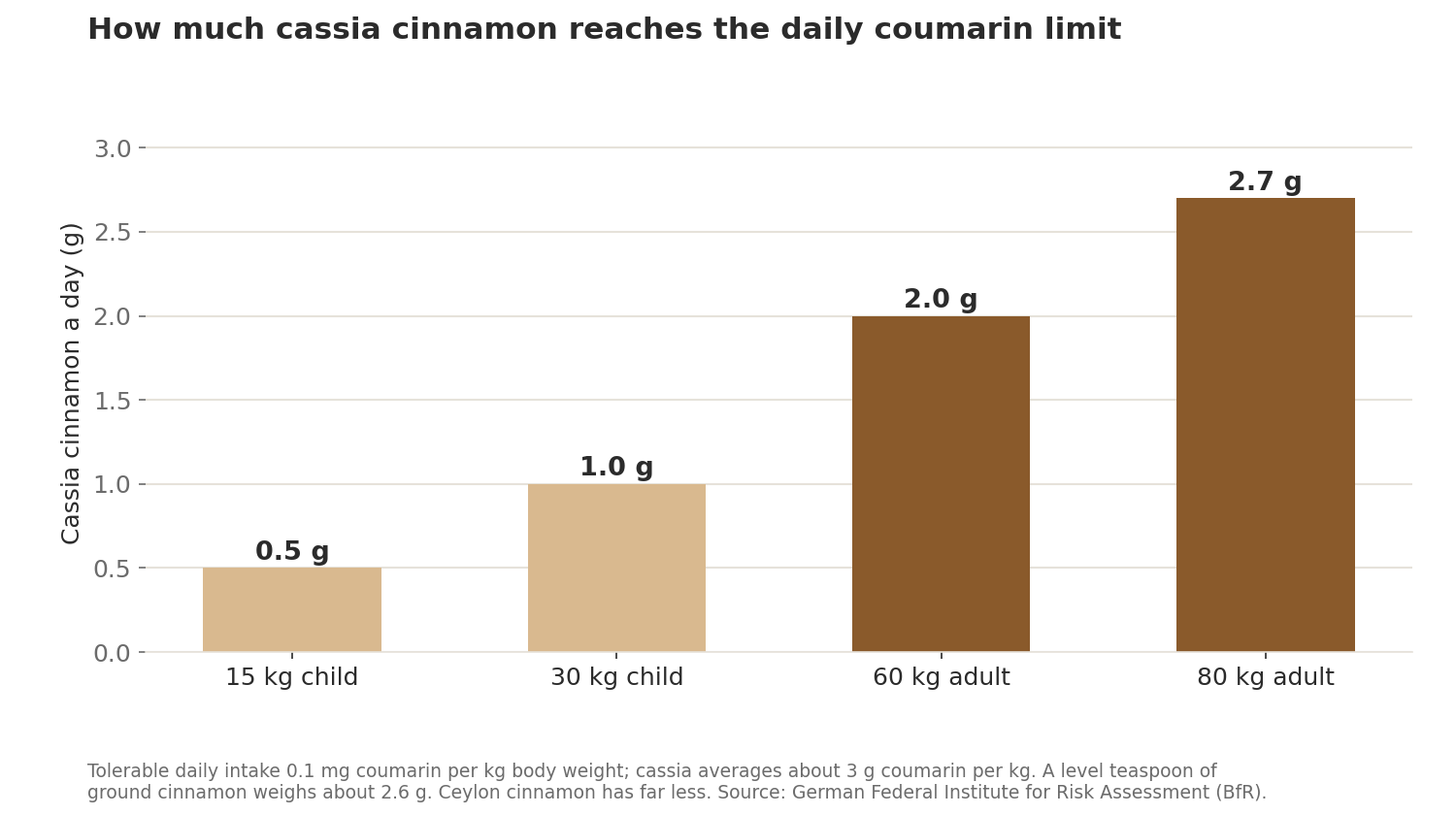
A 2 cm piece of stick simmered in a pan of chai releases far less than that, so normal use is fine. If you drink several cups of chai a day and also eat cinnamon in other foods, or make chai for children, choose Ceylon cinnamon, which contains only traces of coumarin. Ceylon sticks are thin, papery layers rolled like a cigar. Cassia is a single thick, hard curl.
Milk
Milk adds protein and calcium. It may also blunt one of tea’s effects. In a German study of 16 healthy women, black tea improved the widening of the arm’s main artery, a marker of blood vessel health, but adding milk cancelled the effect. The researchers blamed casein proteins binding to tea catechins. It was one small study measuring a short-term marker, so it is no reason to give up chai. Our milk in tea guide covers the debate.
Sugar
This is the part that matters most. Street chai is often very sweet, and cafe chai lattes made from syrups or concentrates can contain more sugar than a can of soft drink. The World Health Organization recommends keeping free sugars below 10% of daily energy, and ideally below 5%, or about six teaspoons a day. Two cups of chai with two teaspoons of sugar each use up most of that. Cut back gradually. The spices carry the flavour well with less sugar.
Iron
Tea reduces how much iron your body absorbs from plant foods eaten at the same time. If you are low in iron, drink chai between meals rather than with them. See our guide to tea and iron absorption.
Iced chai and chai concentrate
For iced chai, make the spiced tea base with half the water and double the tea, strain it, and chill. Pour it over ice and top up with cold milk. For a lighter drink with less bitterness, spices can also be steeped in cold water with the tea overnight, the same way as cold brew tea.
To make a concentrate for the week, simmer four times the spices and tea in water only for 10 minutes, sweeten if you like, strain and refrigerate in a clean bottle for up to three days. Mix one part concentrate with one part hot or cold milk to serve.
Quick answers
What is the difference between chai and chai latte?
Chai is tea simmered with milk on the stove. A chai latte is a cafe drink, usually a sweet chai syrup or concentrate topped with steamed milk. It is often sweeter and milder than homemade chai.
Should you boil the milk in chai?
Yes. Traditional chai is brought to the boil with the milk, which gives it body. Bring it up and down a couple of times rather than boiling hard for minutes.
Can I make masala chai with tea bags?
Yes. Use two or three strong black tea bags for two cups, add them after the spices have simmered, and squeeze them before straining.
Is masala chai good for a cold?
A hot, gingery chai is comforting and soothes a sore throat, but it will not shorten a cold. Adrak chai, with extra ginger, is the traditional choice.
How many cups of chai a day is too many?
For caffeine, four or five cups is within limits for most healthy adults. Sugar is the more likely problem. Our how many cups of tea a day guide covers the numbers.
Sources
- Lutgendorf P. Making tea in India: chai, capitalism, culture. Thesis Eleven, 2012.
- Chin et al. Caffeine content of brewed teas. Journal of Analytical Toxicology, 2008.
- German Federal Institute for Risk Assessment. FAQ on coumarin in cinnamon and other foods.
- Lorenz et al. Addition of milk prevents vascular protective effects of tea. European Heart Journal, 2007.
- World Health Organization. Guideline: sugars intake for adults and children, 2015.
Last updated: 8 October 2026. Sources are linked in the text.