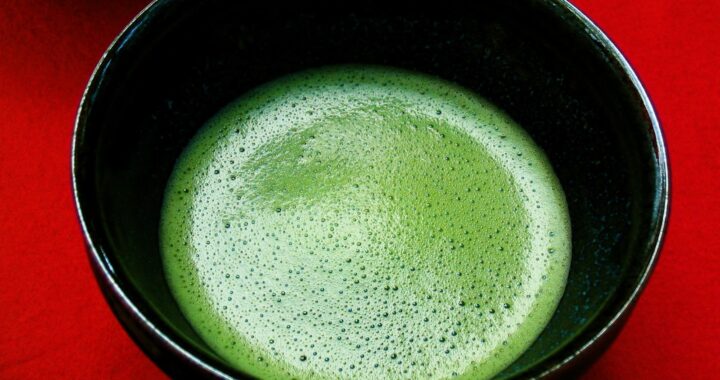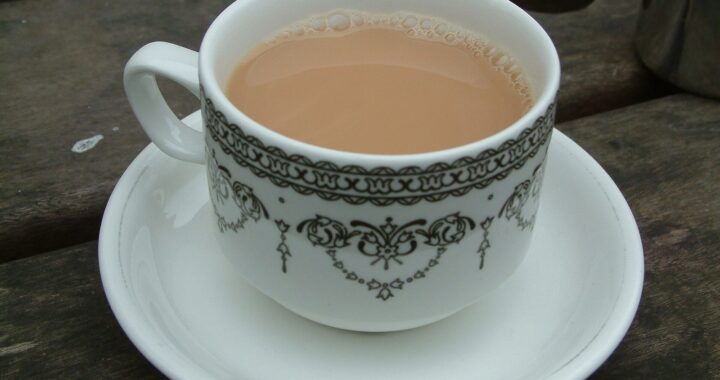
Valerian tea is made from the dried root of Valeriana officinalis, a herb used for sleep since ancient Greece. The evidence is mixed. In trials, people taking valerian were more likely to say they slept better, but sleep lab measurements show little or no change, and the American Academy of Sleep Medicine advises against it for chronic insomnia. It is generally safe for short-term use by healthy adults, and a cup is a reasonable thing to try for an occasional bad night.
What is valerian tea?
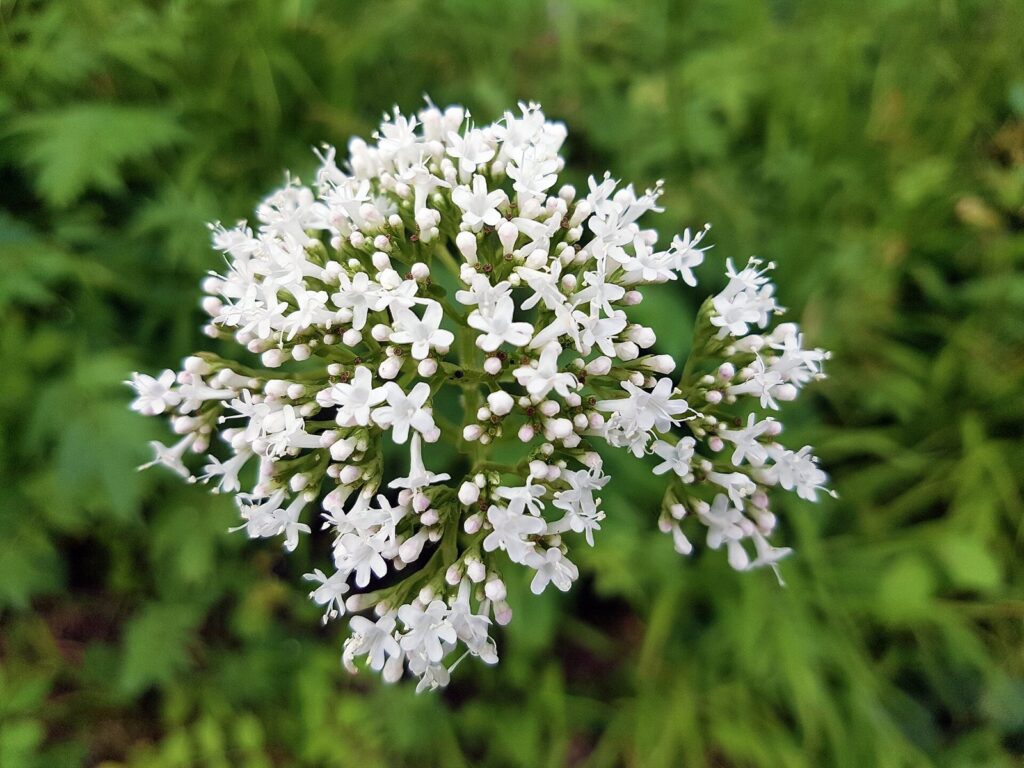
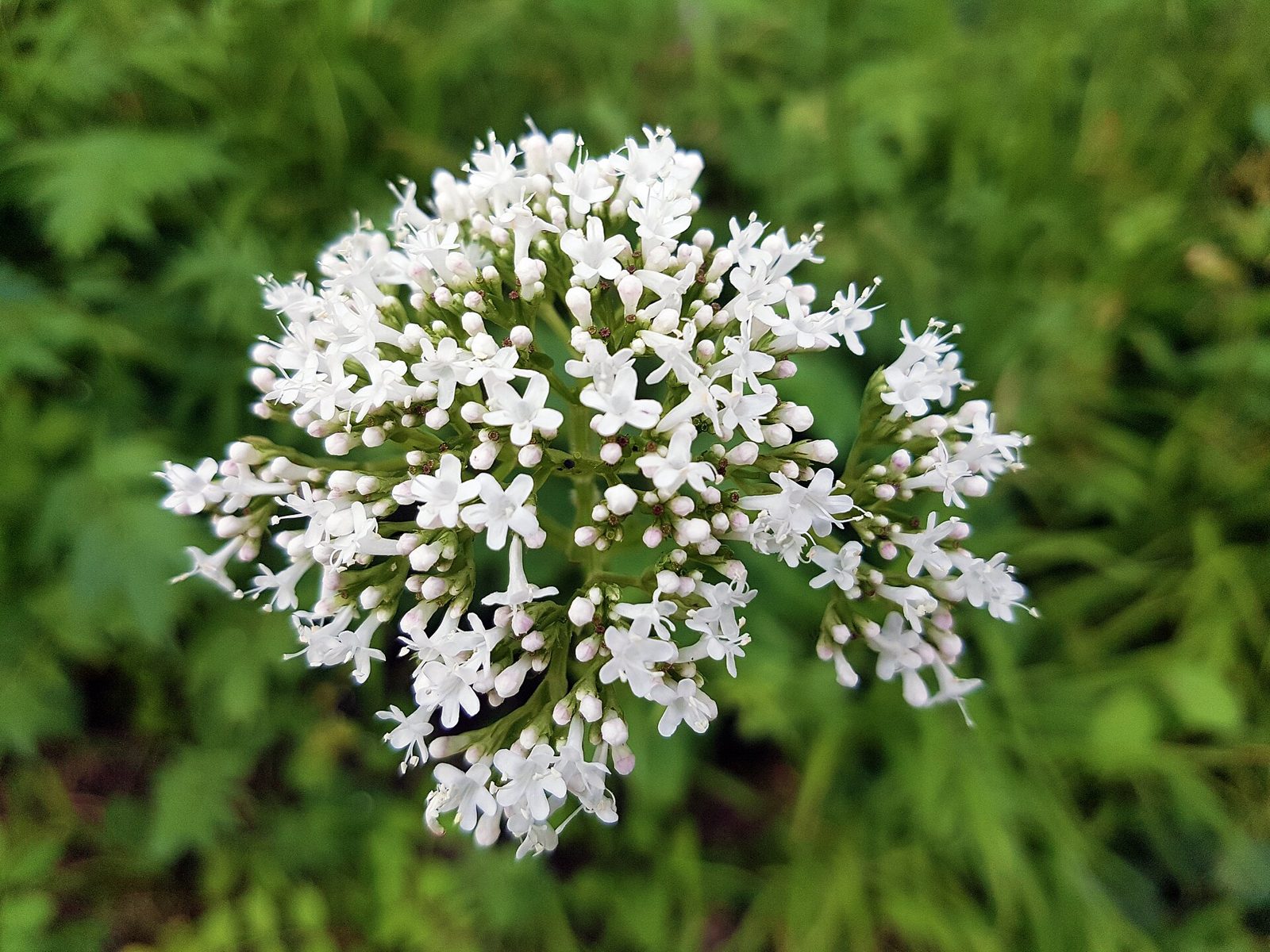
Valerian is a tall perennial plant native to Europe and western Asia. It grows up to 1.5 metres, with clusters of small, sweetly scented white or pale pink flowers in summer. The flowers are pretty, but it is the root and rhizome (the underground stem) that are used as medicine. These are dug up, washed, dried and cut into small pieces, which is what you buy as loose valerian root or find in tea bags.
Unlike black or green tea, valerian is not made from the tea plant, so it contains no caffeine. It is one of the herbs in our list of the best caffeine-free teas, and it is the herb most often found in shop-bought “sleepy” blends, usually alongside chamomile, lemon balm, hops or passionflower.
Its reputation goes back a long way. According to the US National Center for Complementary and Integrative Health, valerian has been used as a medicine since early Greek and Roman times, when it was given for insomnia, migraine, fatigue and stomach cramps. The name is thought to come from the Latin valere, meaning to be strong or healthy. Today it is sold mainly for sleep, and also for anxiety and stress.
Does valerian tea help you sleep?
Dozens of trials have tested valerian, and they point in different directions depending on what is measured.
The case for valerian
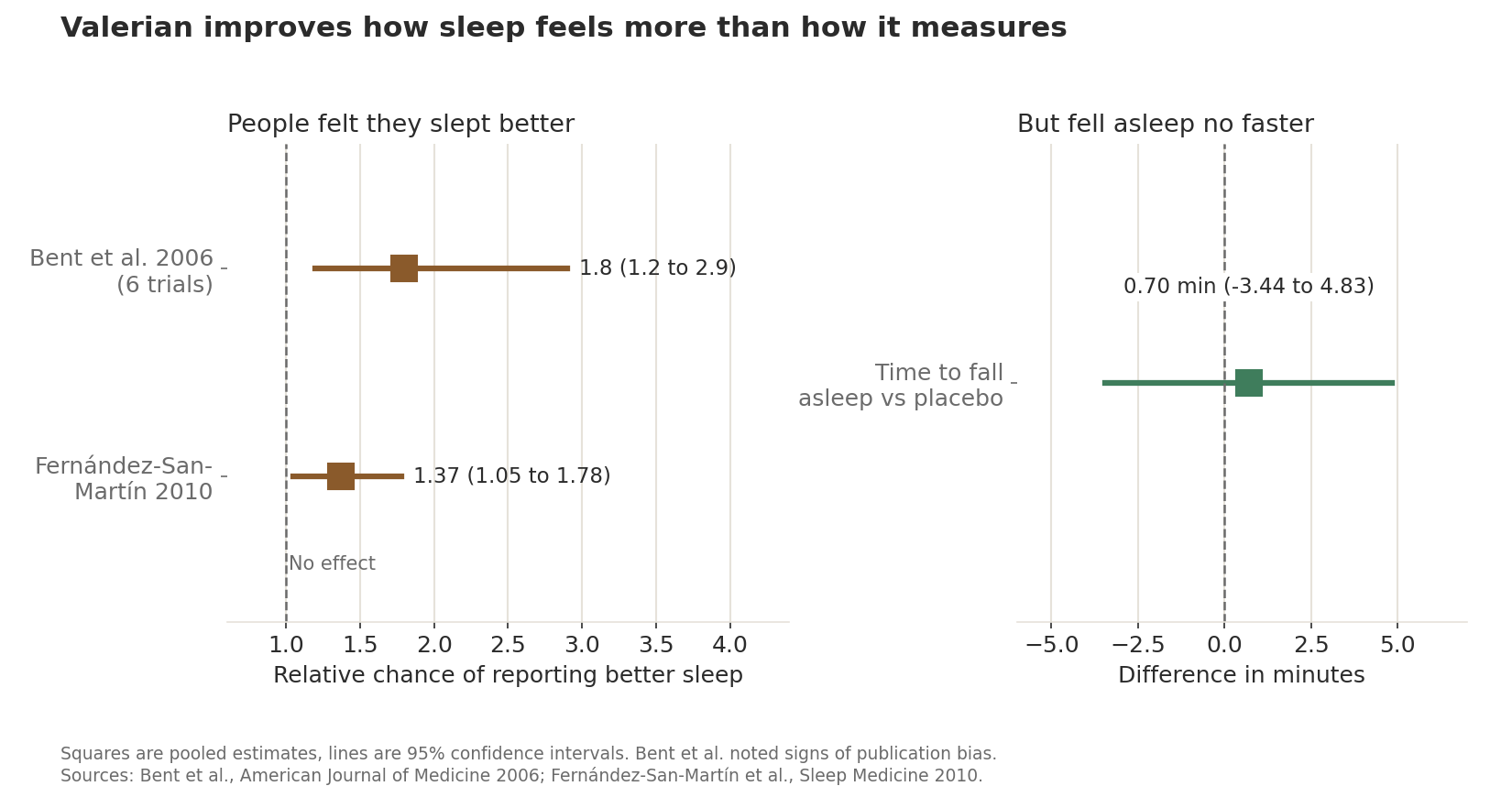
A 2006 meta-analysis in the American Journal of Medicine pooled 16 placebo-controlled trials with 1,093 people. In the six trials that asked a simple question, did your sleep improve or not, people taking valerian were 1.8 times as likely to say yes as people on a placebo. The authors also found signs of publication bias, meaning small negative trials may have gone unpublished, and noted that most of the studies had serious design problems.
A 2010 meta-analysis of 18 trials in Sleep Medicine found a similar but smaller effect on the same yes-or-no question, a relative risk of 1.37. A 2020 review of 60 studies covering 6,894 people also concluded valerian could help. Its authors blamed the mixed results on variable extract quality and thought whole root preparations might work more reliably, though that has not been tested in tea.
The case against
When researchers measure sleep rather than ask about it, valerian struggles. The same 2010 meta-analysis found that valerian users fell asleep only 0.70 minutes faster than those on a placebo, a difference indistinguishable from zero. Scores on sleep quality scales did not differ either.
A 2007 review of 37 studies, titled “safe but not effective”, found that most trials showed no difference from placebo, and that none of the most recent and most rigorous studies found a significant effect. One of those was a small trial in older women with insomnia, who spent nine nights in a sleep lab. Two weeks of 300 mg valerian extract made no difference to how quickly they fell asleep, how long they spent awake in the night or how well they rated their sleep.
A large internet-based trial of 391 adults with anxiety and insomnia found that valerian did no better than placebo over four weeks. A 2015 meta-analysis of herbal medicines for insomnia covering 14 trials and 1,602 people found that none of the herbs tested, including valerian and chamomile, beat placebo on any of 13 measures.
On the strength of this evidence, the American Academy of Sleep Medicine’s 2017 guideline suggests that doctors do not use valerian to treat chronic insomnia in adults. It gave the same weak recommendation against melatonin and tryptophan.
What to make of it
The pattern is consistent. People often feel they sleep better on valerian, but it does not make them fall asleep measurably faster or wake less. That fits a mild calming effect, a placebo effect, or both. It does not fit a sleeping pill. If you have one rough night now and then, a cup of valerian tea is a gentle, low-risk thing to try. If you have struggled with sleep for months, the treatment with the best evidence is cognitive behavioural therapy for insomnia (CBT-I), and it is worth talking to a doctor.
| Study | What was tested | Main finding |
|---|---|---|
| Bent et al. 2006 | 16 trials, 1,093 people | 1.8 times as likely to report better sleep; possible publication bias |
| Taibi et al. 2007 | 37 studies reviewed | Most found no difference from placebo |
| Fernández-San-Martín et al. 2010 | 18 trials | Felt better (1.37 times); fell asleep no faster |
| Leach and Page 2015 | 14 herbal trials, 1,602 people | No herb beat placebo on any measure |
| Shinjyo et al. 2020 | 60 studies, 6,894 people | Possible benefit; extract quality may explain mixed results |
How valerian might work
Valerian root contains hundreds of compounds, and no single one has been proven responsible for its effects. The best studied is valerenic acid. A 2009 study in mice found that valerenic acid binds to GABA-A receptors, the same family of brain receptors that sleeping pills such as benzodiazepines act on, and that it reduced anxiety-like behaviour. In mice bred with an altered version of one receptor subunit, the effect disappeared.
That is a plausible mechanism, but it comes from mice and concentrated extracts. Most human trials used alcohol-based extracts in tablets, and few studies have measured how much valerenic acid ends up in a home-brewed cup.
Valerian is often combined with hops. In a four-week trial, a fixed valerian and hops extract shortened the time it took to fall asleep compared with placebo, while the same amount of valerian on its own did not. That result is for a specific tablet, not a tea, but it may explain why so many bedtime blends mix the two.
How to make valerian tea
The European Medicines Agency’s herbal monograph gives a traditional dose for valerian tea: 0.3 to 3 g of the cut, dried root in 150 ml of boiling water, as an infusion. To aid sleep, it advises one dose half an hour to an hour before bed, with an earlier dose in the evening if needed. For daytime stress, the dose can be taken up to three times a day.
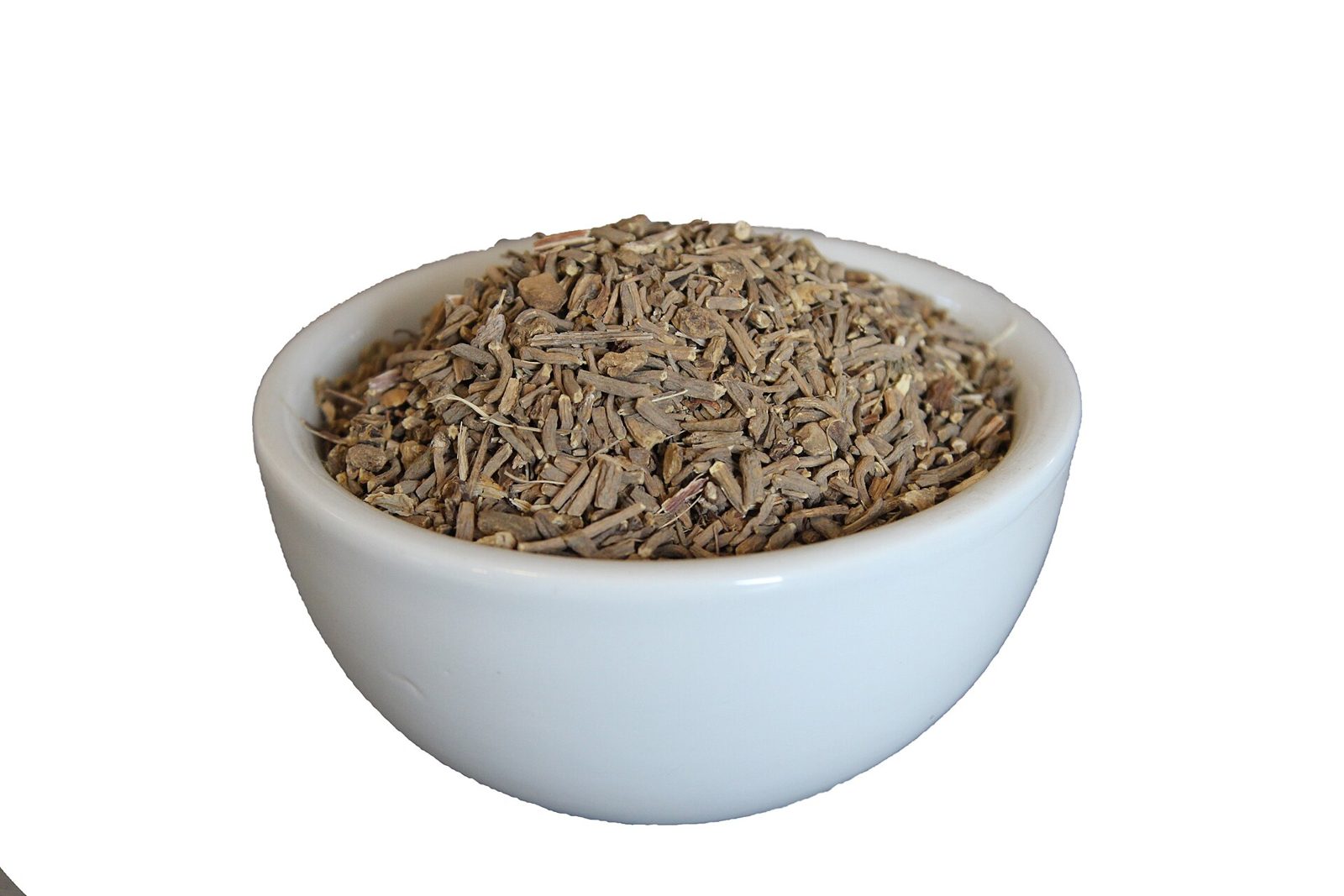
- Measure 1 to 3 g of dried valerian root, roughly half a teaspoon to a heaped teaspoon of chopped root. A typical tea bag holds 1 to 2 g.
- Pour 150 ml of freshly boiled water over it. Unlike green tea, roots need full boiling water; our brewing temperature guide explains why.
- Cover the cup or pot while it steeps, so the aromatic oils stay in the tea.
- Steep for 10 to 15 minutes, then strain.
- Drink it 30 to 60 minutes before bed.
The monograph also says valerian works gradually. For the tablet form it suggests continuous use over two to four weeks for the best effect, and seeing a doctor or pharmacist if symptoms persist or worsen after two weeks.
Making it taste better
Valerian’s biggest drawback is its smell. The dried root gives off a strong, musty odour that many people compare to old socks or strong cheese. Part of it comes from isovaleric acid, a pungent compound named after the plant. These help:
- Blend it with a nicer-tasting herb. Peppermint, lemon balm and chamomile all work and add their own calming reputation. See our guides to peppermint tea and lemon balm tea.
- Add honey, a slice of lemon or a little cinnamon.
- Keep the jar tightly sealed. Cats can be drawn to it: in a study of 100 pet cats, about half reacted to valerian root much as they would to catnip.
Side effects and safety
Valerian has a good safety record in short-term use. NCCIH says it has been used with apparent safety at 300 to 600 mg a day for up to six weeks, though its long-term safety is unknown. The 2020 review found no serious adverse events in people aged 7 to 80. Still, it is a medicine, and a few cautions apply.
Common side effects
The EMA lists nausea and stomach cramps. NCCIH adds headache, mental dullness, excitability, uneasiness and vivid dreams. Some people feel groggy the next morning. If a cup leaves you with a headache, our article on whether tea can cause headaches covers the other usual suspects.
Driving and alcohol
The EMA warns that valerian may impair your ability to drive or use machines. Do not drive if you feel drowsy after it. Because it may add to the effects of other sedatives, NCCIH advises not combining it with alcohol, sleeping pills, benzodiazepines or other calming medicines.
The liver
Rare cases of liver injury have been reported, including a 2008 case report and a 2016 case of hepatitis that improved with steroids. Many reported cases involved products that mixed valerian with other herbs, so the cause is hard to pin down. The US LiverTox database keeps a full entry on valerian and the reported cases. Stop taking it and see a doctor if you notice yellowing skin or eyes, dark urine or pain under the right ribs.
Stopping after long-term use
Most people can stop valerian without any problem. But NCCIH notes that stopping suddenly after long, heavy use can bring withdrawal symptoms such as anxiety, irritability and insomnia. A 1998 case report in JAMA described heart complications and delirium after a patient who had taken large doses for years stopped abruptly. If you have used it nightly for a long time, cut down gradually.
Pregnancy and children
Its safety in pregnancy and breastfeeding has not been established, and the EMA advises against using it then. Our guide to teas that are safe during pregnancy lists better options. The EMA also does not recommend valerian for children under 12.
How much is too much?
The EMA records that a dose of about 20 g of root, roughly ten times the amount in a strong cup, caused fatigue, cramps, chest tightness, light-headedness, tremor and dilated pupils, which cleared within 24 hours. One or two cups a day is far below that. Our guide to how many cups of tea a day covers fluid and caffeine limits for regular tea.
| Who | Advice |
|---|---|
| Healthy adults | 1 to 3 g root per cup, up to 3 cups a day; one cup before bed for sleep |
| Pregnant or breastfeeding | Avoid; safety not established |
| Children under 12 | Not recommended |
| Taking sedatives, sleeping pills or alcohol | Avoid combining; ask a pharmacist |
| Liver disease | Avoid unless a doctor agrees |
| Before driving | Avoid if it makes you drowsy |
Valerian compared with other bedtime teas
Of the popular sleep herbs, valerian has been tested the most, which is partly why its weaknesses are so well documented. Chamomile is milder, tastes much better and has a handful of small trials suggesting it helps sleep quality in some groups. Lemon balm has better evidence for stress and anxiety than for sleep itself. Our full ranking of the best tea for sleep puts them side by side.
Whatever herb you pick, what you drink earlier in the day matters as much as what you drink at night, because an afternoon cup of caffeinated tea can undo a bedtime one. Our guide to the best tea to stay awake explains when to stop.
Passionflower is often blended with valerian in sleep teas. Our passionflower tea guide covers what its trials found.
Quick answers
Does valerian tea make you sleepy straight away?
Not usually. Trials found little effect on how fast people fall asleep, and the EMA describes its action as gradual. Drink it 30 to 60 minutes before bed and judge it over a week or two, not one night.
Can I drink valerian tea every night?
Short-term nightly use, for a few weeks, appears safe for most healthy adults. Long-term safety is not known. If you still need it after a month, speak to a doctor about what is keeping you awake.
Is valerian tea addictive?
It is not considered addictive in the way sleeping pills are, but stopping suddenly after long, heavy use has caused withdrawal symptoms in rare cases. Taper off if you have used it for months.
Why does valerian tea smell so bad?
The dried root contains pungent compounds including isovaleric acid, which smells of old socks or ripe cheese. Fresh roots smell much milder. Blending it with mint or lemon balm hides most of it.
Sources
- Bent et al. Valerian for sleep: a systematic review and meta-analysis. American Journal of Medicine, 2006.
- Fernández-San-Martín et al. Effectiveness of valerian on insomnia: a meta-analysis of randomized placebo-controlled trials. Sleep Medicine, 2010.
- Taibi et al. A systematic review of valerian as a sleep aid: safe but not effective. Sleep Medicine Reviews, 2007.
- Shinjyo et al. Valerian root in treating sleep problems and associated disorders: a systematic review and meta-analysis. Journal of Evidence-Based Integrative Medicine, 2020.
- Leach and Page. Herbal medicine for insomnia: a systematic review and meta-analysis. Sleep Medicine Reviews, 2015.
- Taibi et al. A randomized clinical trial of valerian fails to improve self-reported, polysomnographic, and actigraphic sleep in older women with insomnia. Sleep Medicine, 2009.
- Jacobs et al. An internet-based randomized, placebo-controlled trial of kava and valerian for anxiety and insomnia. Medicine, 2005.
- Koetter et al. A randomized, double blind, placebo-controlled study of a fixed valerian hops extract combination (Ze 91019). Phytotherapy Research, 2007.
- Benke et al. GABA A receptors as in vivo substrate for the anxiolytic action of valerenic acid. Neuropharmacology, 2009.
- Sateia et al. Clinical practice guideline for the pharmacologic treatment of chronic insomnia in adults. Journal of Clinical Sleep Medicine, 2017.
- European Medicines Agency. European Union herbal monograph on Valeriana officinalis L., radix. EMA/HMPC/150848/2015, 2016.
- National Center for Complementary and Integrative Health. Valerian: usefulness and safety.
- LiverTox. Valerian. National Institute of Diabetes and Digestive and Kidney Diseases.
- Cohen and Del Toro. A case of valerian-associated hepatotoxicity. Journal of Clinical Gastroenterology, 2008.
- Kia et al. A case of steroid-responsive valerian-associated hepatitis. Internal Medicine Journal, 2016.
- Garges et al. Cardiac complications and delirium associated with valerian root withdrawal. JAMA, 1998.
- Bol et al. Responsiveness of cats to silver vine, Tatarian honeysuckle, valerian and catnip. BMC Veterinary Research, 2017.
Last updated: 11 October 2026. Sources are linked in the text.
This article is general information, not medical advice. Talk to your doctor or pharmacist before using tea or herbs for a health condition, especially if you are pregnant, breastfeeding or take regular medication.