No tea cures acid reflux, but some are kinder to it than others. Mild, caffeine-free herbal teas such as chamomile, ginger in small amounts and rooibos are the safest choices, drunk warm rather than scalding and not right before bed. Peppermint is the one to be careful with, because it relaxes the valve that keeps stomach acid down. Ordinary tea is a milder trigger than coffee, but in a large study of US women, more than six cups a day was linked to a 26% higher risk of developing regular heartburn.
What happens in acid reflux
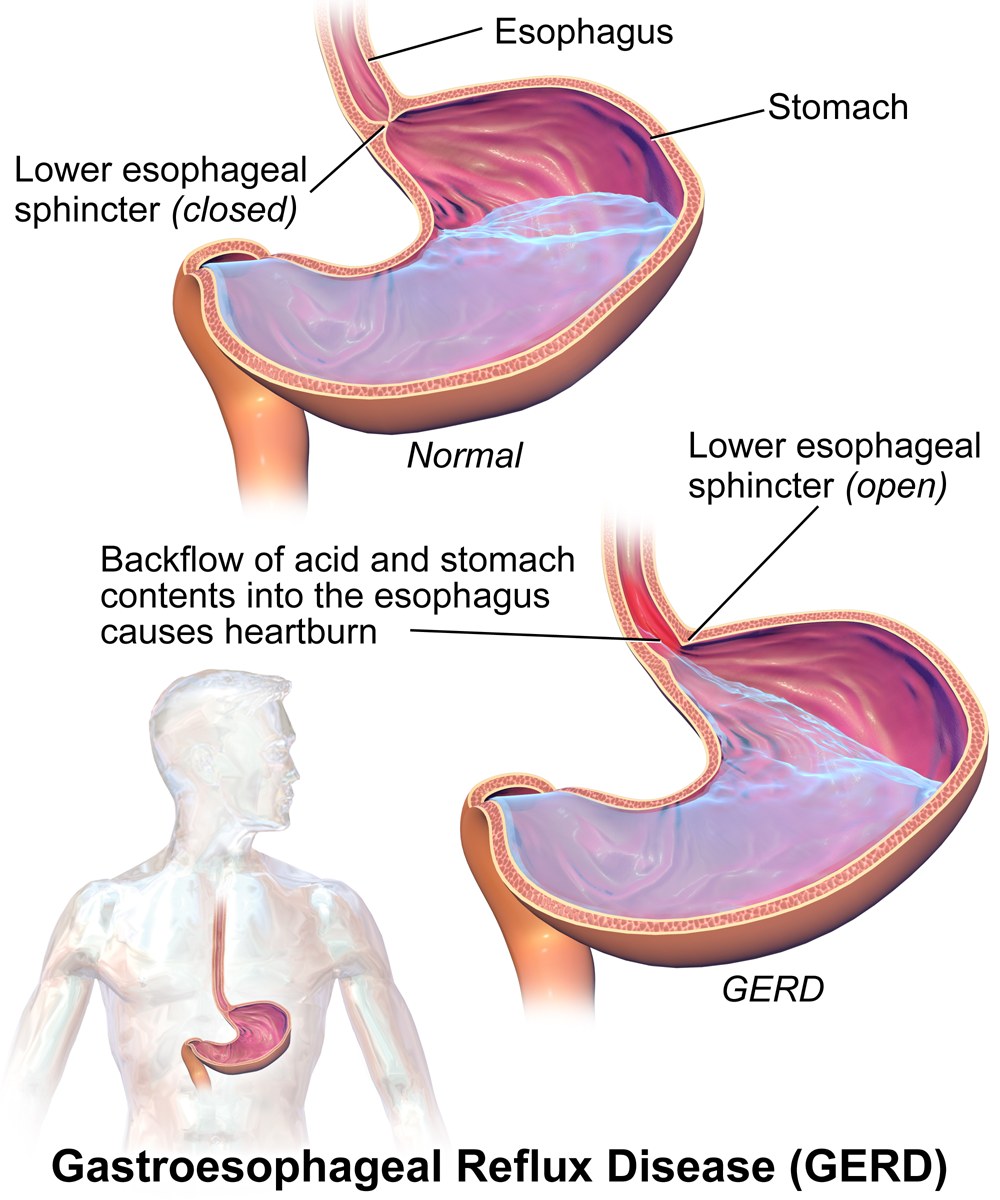
At the bottom of your food pipe (the oesophagus) is a ring of muscle called the lower oesophageal sphincter. It opens to let food into the stomach and then closes to keep acid in. When it relaxes at the wrong moment, or the stomach is too full, acid washes back up. That causes the burning feeling behind the breastbone known as heartburn, and sometimes a sour taste at the back of the mouth.
Occasional heartburn after a big meal is common. When it happens regularly, doctors call it gastro-oesophageal reflux disease, or GERD (GORD in the UK). Anything you drink can affect reflux in three ways: by relaxing that valve, by irritating a lining that is already sore, or simply by adding volume to a full stomach.
Does tea cause acid reflux?
Tea has a reputation as a reflux trigger, mostly because it contains caffeine. The evidence is more mixed than that reputation suggests, and it is clear that coffee is the bigger problem.
In a small but careful 1994 German study, Wendl and colleagues measured acid in the oesophagus of healthy volunteers for three hours after a breakfast with 300 ml of different drinks. Regular coffee caused significantly more reflux than water. Normal tea did not, and taking the caffeine out of tea made no difference. Adding caffeine to plain water had no effect either, while coffee diluted to the same caffeine level as tea still raised reflux. The authors concluded that something in coffee other than caffeine is to blame.
The largest study of drinks and reflux points the other way for heavy tea drinkers. Mehta and colleagues followed 48,308 women in the US Nurses’ Health Study II who did not have regular reflux at the start. Over the follow-up, 7,961 developed heartburn or regurgitation at least once a week. Compared with women who drank none, those who drank more than six servings a day had a higher risk with coffee, soda and tea alike.
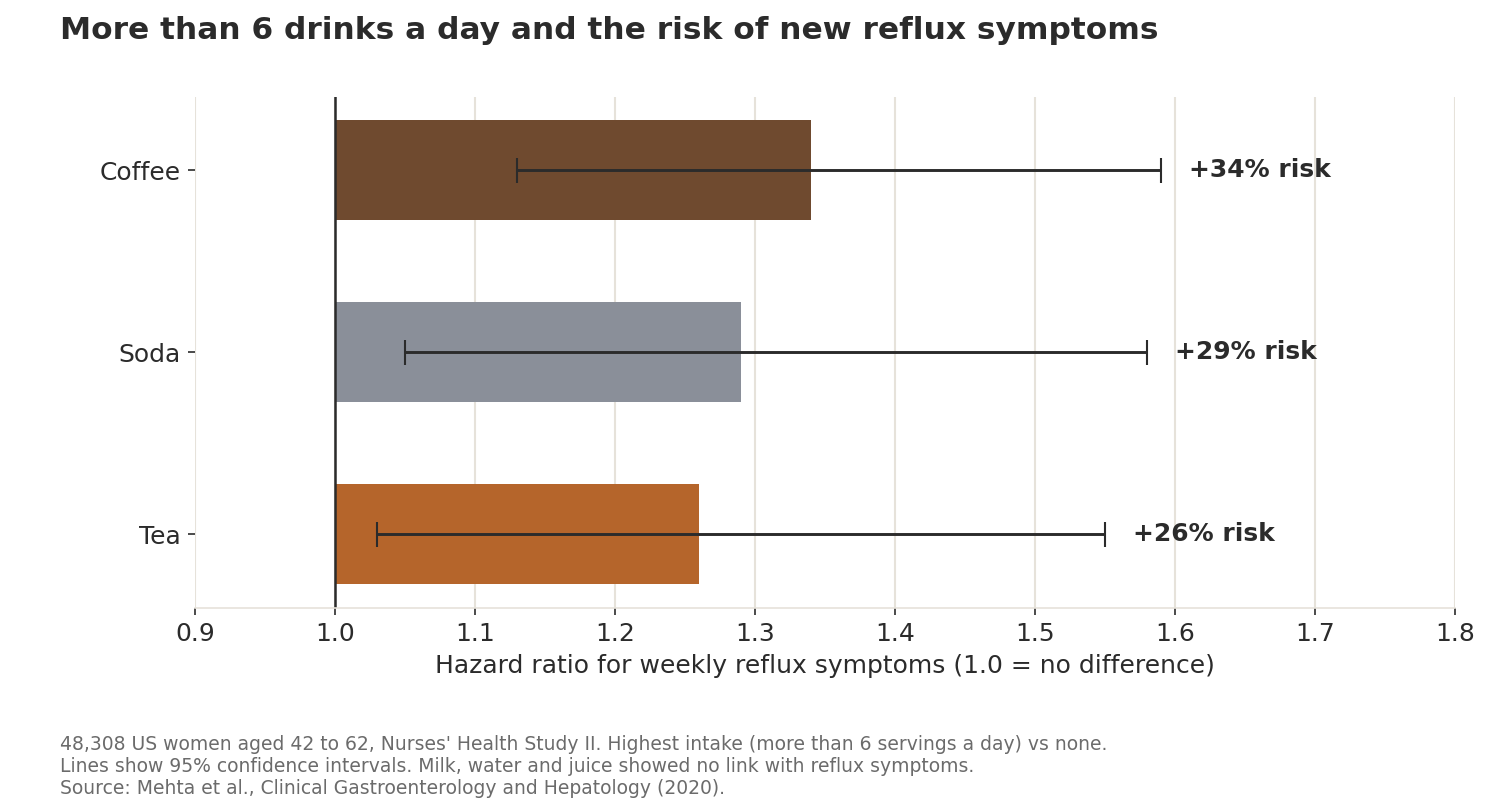
Two details matter. First, the results were similar for caffeinated and decaffeinated drinks, which fits the German finding that caffeine is not the whole story. Second, the risk rose only at high intakes. Swapping two cups of tea a day for two glasses of water was linked to a 4% lower risk, a small effect. Milk, water and juice showed no link at all.
A 2026 study of 27,119 adults in Taiwan even found habitual tea drinkers were less likely to have GERD than non-drinkers (odds ratio 0.84). The link held for green tea and partly oxidised teas such as oolong, but not for fully oxidised black tea, and only at one to two cups a day. Three or more cups a day showed no benefit. Studies like this show an association, not cause and effect, and tea drinkers may differ from non-drinkers in other ways.
Put together, a few cups of tea a day are unlikely to be the main cause of your reflux, but very high intakes may add to it. Our guide to how many cups of tea a day covers sensible limits, and our tea caffeine comparison shows how much each type contains.
What the guidelines say
The 2022 American College of Gastroenterology guideline makes five lifestyle recommendations for GERD. Only weight loss in people who are overweight gets a strong recommendation. Avoiding meals two to three hours before bed, stopping smoking, raising the head of the bed for night-time symptoms and avoiding personal trigger foods are suggested on low-quality evidence. The authors note that peppermint, chocolate, alcohol and fatty food lower the pressure of the valve in laboratory tests, while coffee and caffeine have little effect on it, but may still irritate the oesophagus and cause symptoms.
The NHS lists coffee, alcohol, chocolate, tomatoes and fatty or spicy food as common triggers, and does not name tea. The US National Institute of Diabetes and Digestive and Kidney Diseases (NIDDK) lists “coffee and other sources of caffeine”, mint, citrus, chocolate, alcohol and fatty and spicy food. A 2024 expert consensus of 11 gastroenterologists and family doctors agreed on limiting alcohol, coffee and fizzy drinks, and on finding and avoiding your own triggers. The common message is that triggers are personal. A food diary is the best way to find yours.
Teas for acid reflux, ranked
No tea has been proven in a clinical trial to treat reflux. The table below sums up what is known about the teas people most often ask about.
| Tea | Effect on reflux | Evidence | Verdict |
|---|---|---|---|
| Chamomile | Caffeine-free, mild and soothing | Traditional use only; no reflux trials | Good choice |
| Ginger (weak) | May help the stomach empty faster | Small trial on stomach emptying | Good in small amounts |
| Rooibos and other caffeine-free blends | Neutral | No reflux studies | Good choice |
| Licorice root | Soothing; DGL extract eased symptoms | One trial of a DGL capsule, not tea | Short-term only, with care |
| Slippery elm | Coats the throat | No reflux trials | Worth a try |
| Green and oolong tea | Mild; contains caffeine | Linked to less GERD in Taiwan | Fine in moderation |
| Black tea | Contains caffeine | No extra reflux vs water in one lab study | Fine in moderation |
| Peppermint and spearmint | Relaxes the valve at the top of the stomach | Guideline lab evidence | Avoid |
| Lemon, hibiscus, fizzy iced tea | Acidic or carbonated | Listed as common triggers | Avoid if they bother you |
Chamomile tea
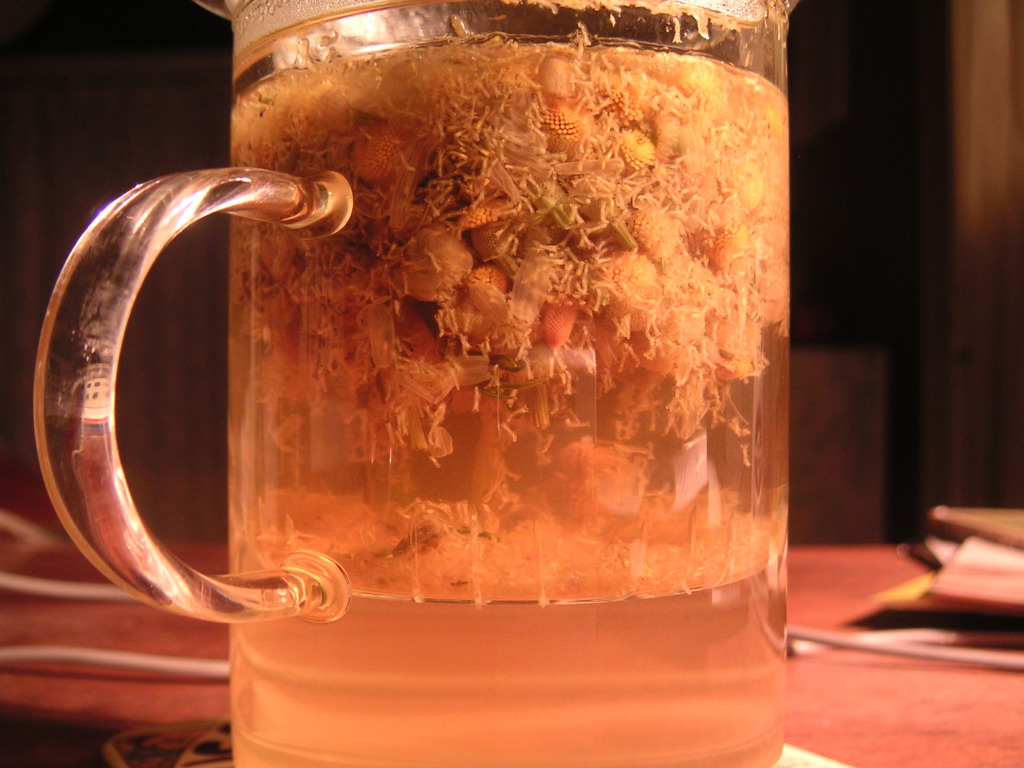
Chamomile has been used for indigestion and wind for centuries, and a warm cup is one of the most comforting drinks for a sore stomach. It is caffeine-free, low in acid and mild in flavour. There are no trials of chamomile for reflux, so its value is mostly as a safe swap for coffee or strong tea, especially in the evening. Avoid it if you are allergic to the daisy family. Our chamomile tea guide covers the wider evidence.
Ginger tea
Ginger is best known for easing nausea. It may also help the stomach empty, which matters because a full stomach pushes acid upwards. In a small double-blind study of 11 people with indigestion, 1.2 g of ginger cut the time for the stomach to empty halfway from about 16 to 12 minutes, though symptoms did not change. Keep it weak: heartburn is the most common complaint at high doses, as our ginger tea guide explains. A few thin slices of fresh root in a mug is plenty.
Licorice root tea
Licorice has a long history as a stomach remedy. In a 2025 randomised trial of 200 adults with reflux symptoms, a deglycyrrhizinated licorice (DGL) extract taken daily for 28 days eased heartburn and regurgitation faster than a placebo. That was a concentrated extract, though, not a tea.
Ordinary licorice tea still contains glycyrrhizin, the compound removed from DGL. The US National Center for Complementary and Integrative Health warns that it can cause serious side effects, including irregular heartbeat, especially in large amounts, over long periods, or in people with high blood pressure or a salty diet. As in our sore throat guide, keep licorice tea to one or two cups a day for short spells, and skip it if you have high blood pressure or are pregnant.
Slippery elm tea
Slippery elm bark contains mucilage, a gel-like fibre that coats the throat, which is why it appears in throat-soothing blends. Memorial Sloan Kettering notes that its use for digestive complaints rests on tradition, with very little human data, and we found no trials in reflux. It is a reasonable thing to try, but because a coating fibre could in theory slow the absorption of other medicines, take it a couple of hours apart from your tablets.
Rooibos and other caffeine-free teas
If caffeine seems to bother you, rooibos is a good swap for black tea. It brews dark and full-bodied, takes milk well and contains no caffeine. It has not been studied for reflux, but nothing suggests it makes it worse. Our list of the best caffeine-free teas has more options, and you can also decaffeinate tea at home, although the studies above suggest caffeine is not the main culprit.
Green, oolong and black tea
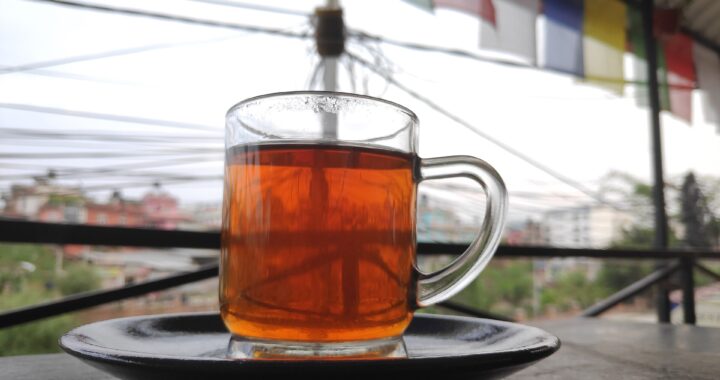
Regular tea is a milder drink than coffee for most people with reflux. In the German study it caused no more reflux than water, and in Taiwan moderate green and oolong tea drinking was linked to less GERD. If you love tea, try one or two cups a day, brewed less strongly and not on an empty stomach. Green tea brewed at a lower temperature is gentler and less bitter; see how to brew green tea.
Teas to avoid with reflux
Peppermint and spearmint. Peppermint is excellent for cramping and bloating, but the same muscle-relaxing effect works on the valve at the bottom of the oesophagus. The ACG guideline lists it among the things that lower the valve’s pressure, and the NIDDK names mint as a common trigger. Our peppermint tea guide covers this in detail. If you get heartburn, this is the tea to cut first.
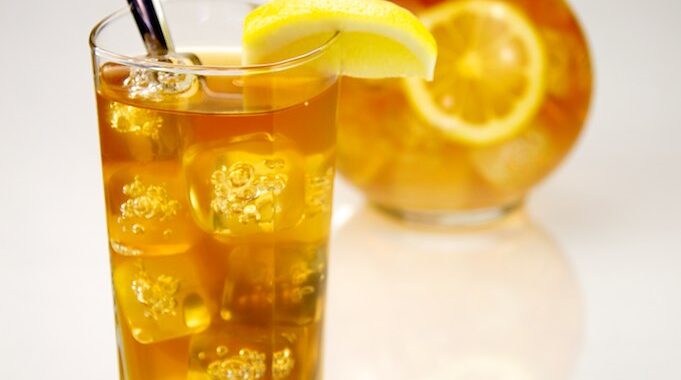
Acidic and fizzy drinks. Lemon tea, hibiscus and other tart fruit teas, and sparkling iced teas can irritate an inflamed oesophagus. The ACG rates the evidence against carbonated drinks as moderate. Many people tolerate them, but they are worth testing in a food diary.
Very strong or very large servings. A pint of stewed black tea on an empty stomach is more likely to cause trouble than a small, well-brewed cup after food.
How to drink tea with acid reflux
- Let it cool a little. Heat is not a known reflux trigger, but scalding drinks are hard on the oesophagus. In the Golestan Cohort Study in Iran, drinking tea at 60°C or hotter was linked to a 41% higher risk of oesophageal cancer, and the World Health Organization’s cancer agency classes drinks above 65°C as probably carcinogenic. Wait a few minutes after pouring.
- Time it well. Both the NHS and the ACG advise not eating in the two to four hours before bed. A small cup of chamomile is fine, but a large mug just before lying down adds volume to your stomach. Our best tea for sleep guide lists calming caffeine-free options.
- Keep servings small. A 200 ml cup is easier on a full stomach than a large mug.
- Have it with or after food rather than on an empty stomach.
- Go easy on additions. A splash of milk is fine, but rich creamers, lemon and large amounts of sugar can add to symptoms for some people.
- Keep a diary. Note what you drank and when symptoms came. After two weeks the pattern is usually clear.
When to see a doctor
Lifestyle changes help many people, but tea is not a treatment for GERD. The NHS advises seeing a GP if you have heartburn most days, if pharmacy medicines are not helping, or if you have food getting stuck, keep being sick or are losing weight without trying. Chest pain that spreads to the arm, neck or jaw, or comes with breathlessness, needs urgent help, as it can be a heart problem. Heartburn is very common in pregnancy; see our tea during pregnancy guide for which herbal teas are safe.
Quick answers
What is the best tea for acid reflux?
Chamomile, weak ginger and rooibos are the safest choices. They are caffeine-free and mild, though none has been proven to treat reflux in a clinical trial.
Is peppermint tea good for acid reflux?
No. Peppermint relaxes the valve between the stomach and oesophagus, so it can make heartburn worse. It is better suited to bloating and cramps.
Does black tea cause heartburn?
Not usually in moderation. One study found tea caused no more reflux than water, while coffee did. Very high intakes, over six cups a day, were linked to more heartburn in a large US study.
Is decaf tea better for reflux?
Not necessarily. Studies found decaffeinated and regular tea behaved much the same, which suggests caffeine is not the main trigger.
Can I drink tea before bed with acid reflux?
A small cup of caffeine-free herbal tea an hour or two before bed is usually fine. Avoid large drinks and food in the last two to three hours before lying down.
Sources
- Katz et al. ACG Clinical Guideline for the Diagnosis and Management of Gastroesophageal Reflux Disease. American Journal of Gastroenterology, 2022.
- Mehta et al. Association between beverage intake and incidence of gastroesophageal reflux symptoms. Clinical Gastroenterology and Hepatology, 2020.
- Wendl et al. Effect of decaffeination of coffee or tea on gastro-oesophageal reflux. Alimentary Pharmacology and Therapeutics, 1994.
- Kuo et al. Habitual tea consumption is associated with a low prevalence of gastroesophageal reflux disease in a Taiwanese population study. International Journal of Medical Sciences, 2026.
- Hungin et al. Management advice for patients with reflux-like symptoms: an evidence-based consensus. European Journal of Gastroenterology and Hepatology, 2024.
- Hu et al. Effect of ginger on gastric motility and symptoms of functional dyspepsia. World Journal of Gastroenterology, 2011.
- Raj et al. Efficacy and safety of GutGard in managing gastroesophageal reflux-related symptoms. Complementary Medicine Research, 2025.
- Islami et al. A prospective study of tea drinking temperature and risk of esophageal squamous cell carcinoma. International Journal of Cancer, 2020.
- NHS. Heartburn and acid reflux.
- NIDDK. Eating, diet and nutrition for GER and GERD in adults.
- National Center for Complementary and Integrative Health. Licorice root.
- Memorial Sloan Kettering Cancer Center. Slippery elm.
- International Agency for Research on Cancer. IARC Monographs evaluate drinking coffee, mate, and very hot beverages. Press release 244, 2016.
Last updated: 17 October 2026. Sources are linked in the text.
This article is general information, not medical advice. Talk to your doctor or pharmacist before using tea or herbs for a health condition, especially if you are pregnant, breastfeeding or take regular medication.