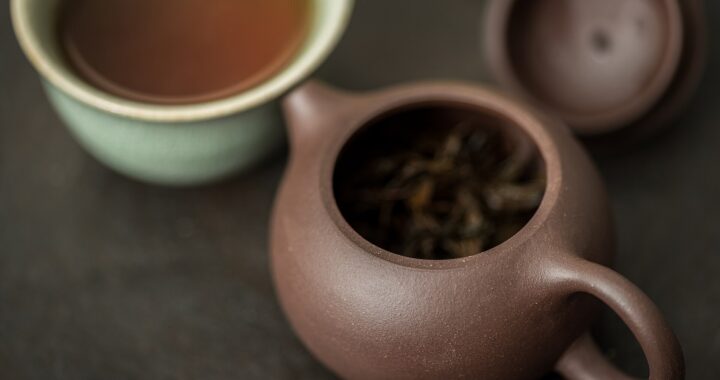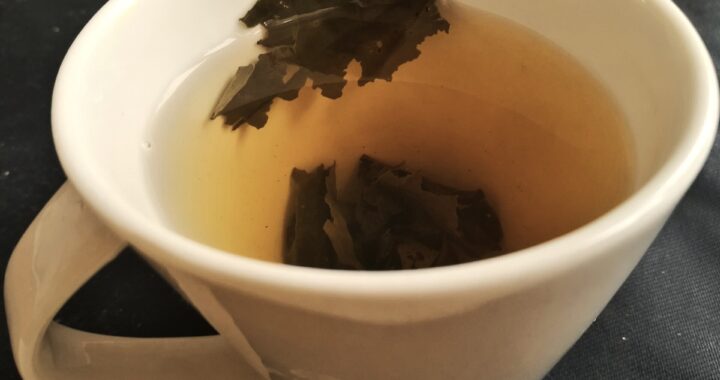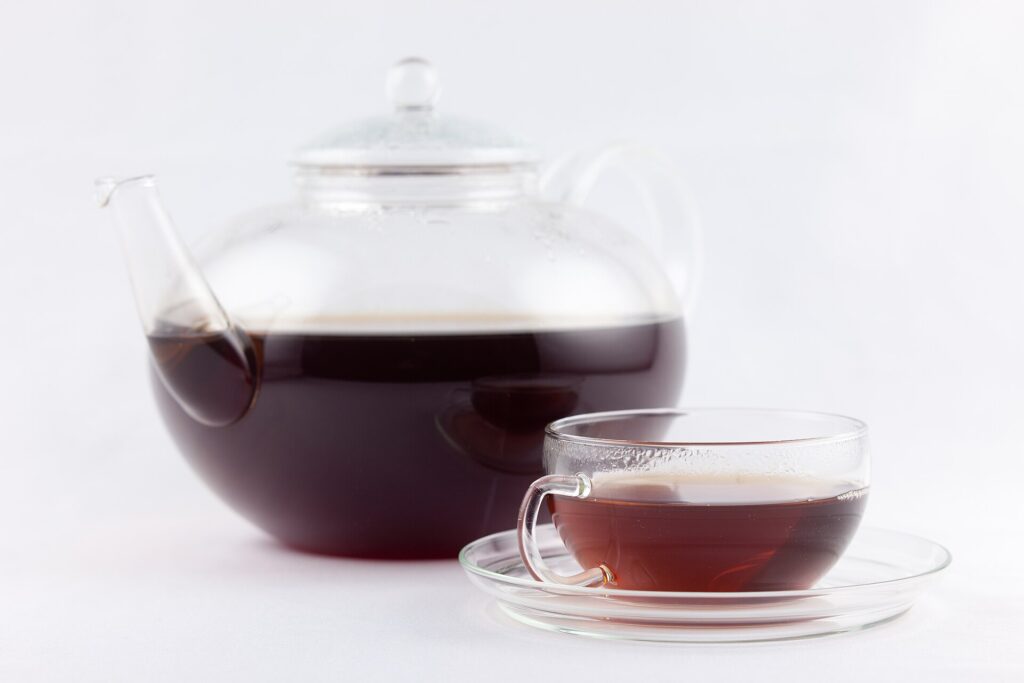
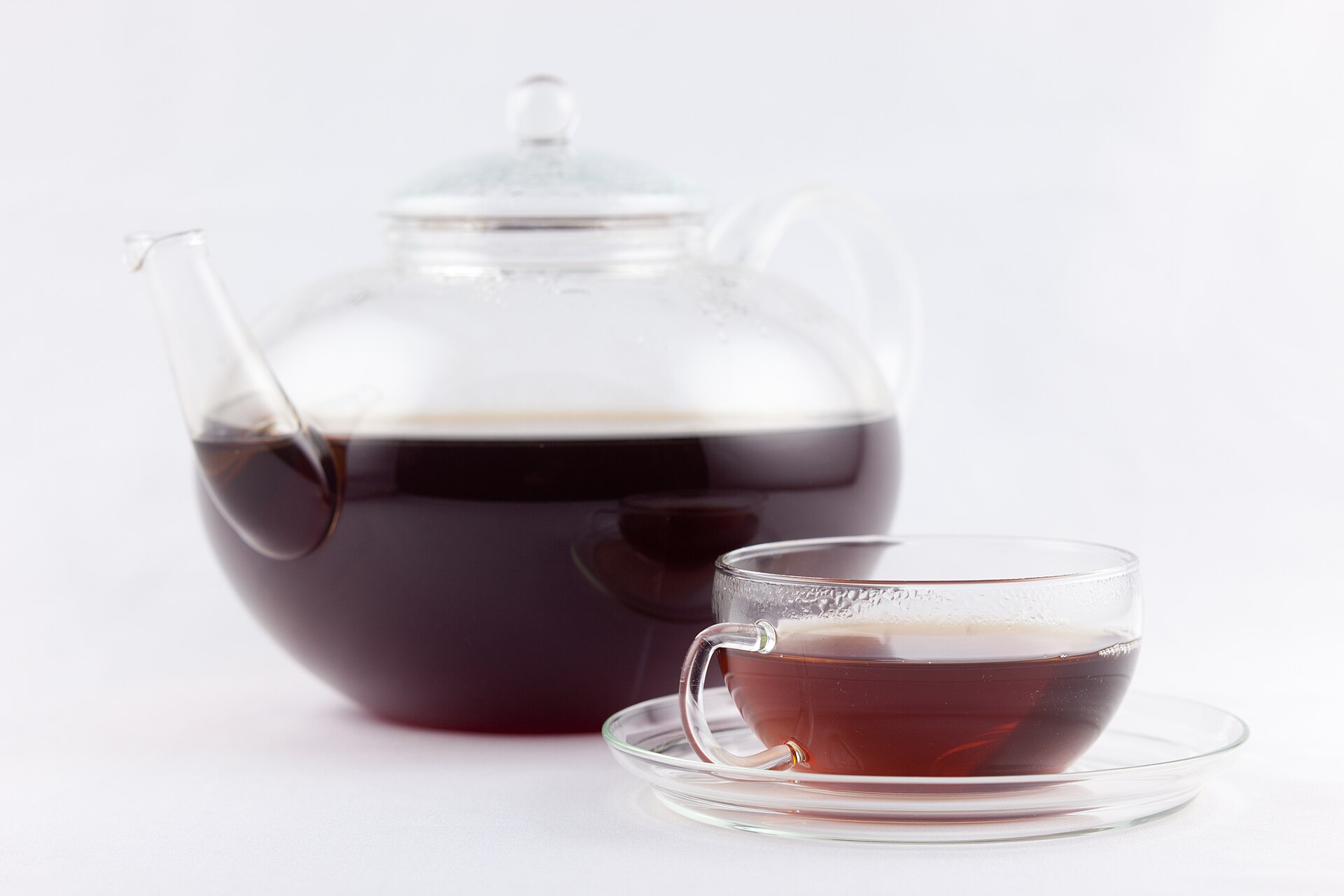
Pu-erh is a fermented tea from Yunnan province in southwest China, usually pressed into cakes. It comes in two styles. Raw pu-erh is aged slowly over years. Ripe pu-erh is fermented in damp piles for a few weeks. Ripe pu-erh is dark, smooth and earthy, with roughly the caffeine of a black tea, but fermentation strips out most of the catechins that green tea is known for. Its weight-loss reputation rests on one small trial of a concentrated extract.
What is pu-erh tea?
Pu-erh, also spelled pu’er, is named after the town of Pu’er in Yunnan, an old trading hub for tea carried on horseback into Tibet and beyond. It is made from the sun-dried leaves of the large-leaf tea variety, Camellia sinensis var. assamica, which grows in Yunnan’s forests and terraces. Some leaf comes from old trees, prized for depth of flavour.
In China, pu-erh belongs to a category called hei cha, or dark tea. These are teas changed by microbes after they are made, not just by the leaf’s own enzymes. That is the key difference from oolong and black tea, which are oxidised but not fermented. Our green tea vs black tea guide explains oxidation.
Raw vs ripe pu-erh
Both styles start the same way. Fresh leaves are wilted, pan-fired to slow the leaf’s enzymes, rolled and then dried in the sun. This rough, sun-dried tea is called maocha. What happens next defines the style.
| Raw (sheng) | Ripe (shou) | |
|---|---|---|
| How it is made | Maocha pressed and left to age naturally | Maocha piled, dampened and fermented for weeks, then pressed |
| Time | Drinkable young, changes over 10 to 30 years or more | Ready within months |
| Colour in the cup | Pale gold when young, amber to red-brown with age | Deep red-brown to almost black |
| Taste | Young: bright, bitter, fruity. Aged: woody, camphor, sweet | Earthy, smooth, cocoa, dates, wet wood |
| Catechins | Fall slowly with age | Mostly lost during fermentation |
| Price | From cheap to extremely expensive for old, aged cakes | Usually affordable |
Ripe pu-erh is the newer style. According to a 2016 study in PLOS ONE, it was developed in the 1970s to mimic the taste of aged raw pu-erh without waiting decades. Producers pile maocha, add water and cover it. Bacteria and fungi multiply inside the warm, damp heap, and workers turn it regularly so it ferments evenly. After several weeks the leaf is dark, mellow and no longer bitter.
Cakes, bricks and nests
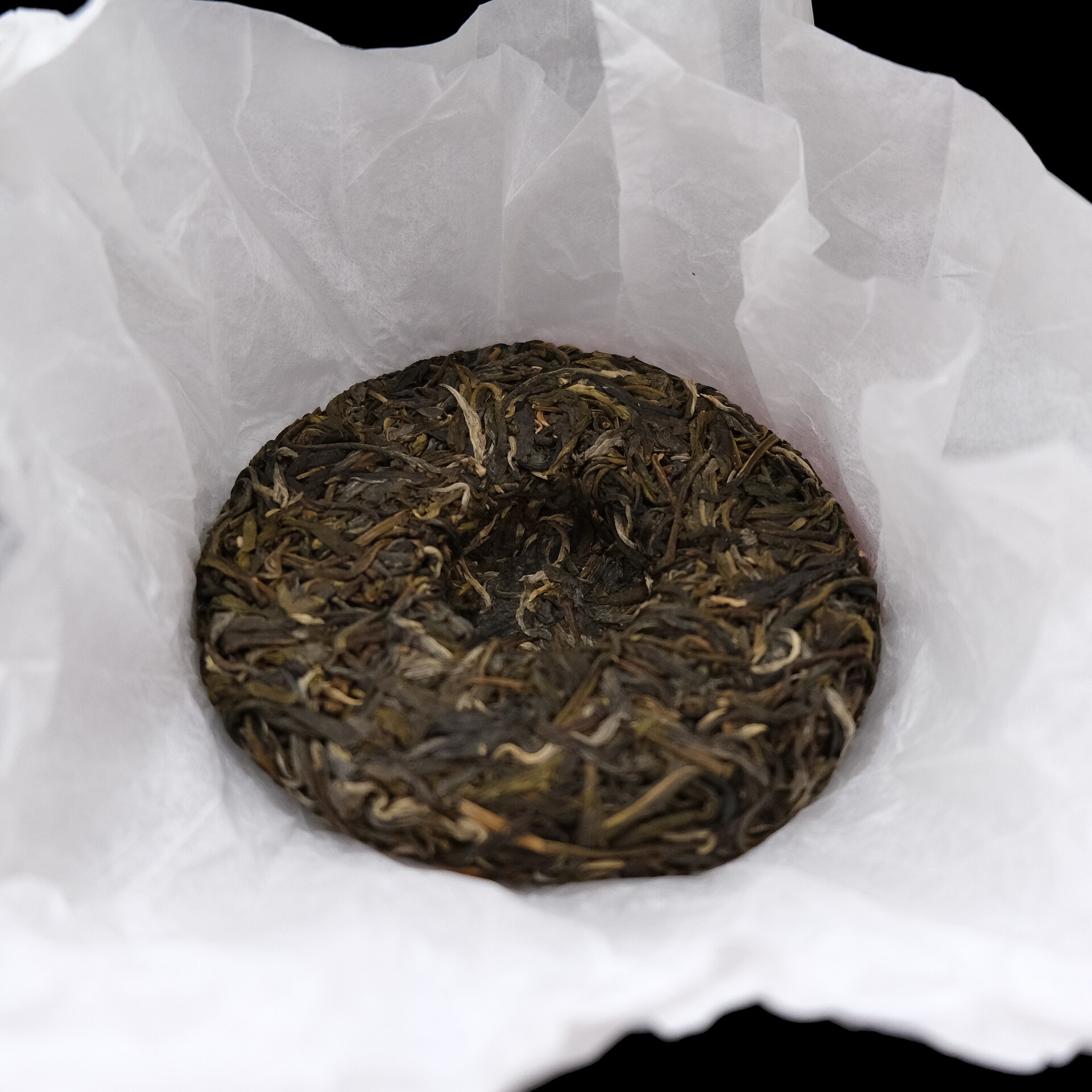
Pressing tea made it easy to carry along trade routes, and the shapes stuck. The classic is a round, flat cake called a bing, traditionally about 357 g. You will also find square bricks, bowl-shaped nests called tuocha, and small single-serving pieces. Shape makes little difference to taste, though tightly pressed tea ages more slowly than loosely pressed tea.
What fermentation does to the tea
The microbes in a ripe pu-erh pile transform almost everything in the leaf except caffeine. A 2022 study at Yunnan Agricultural University found exactly that. A 2025 analysis of ripe pu-erh grades found that catechins fall sharply during pile fermentation, while gallic acid and dark pigments called theabrownins rise. Theabrownins give ripe pu-erh its colour and smooth, thick texture.
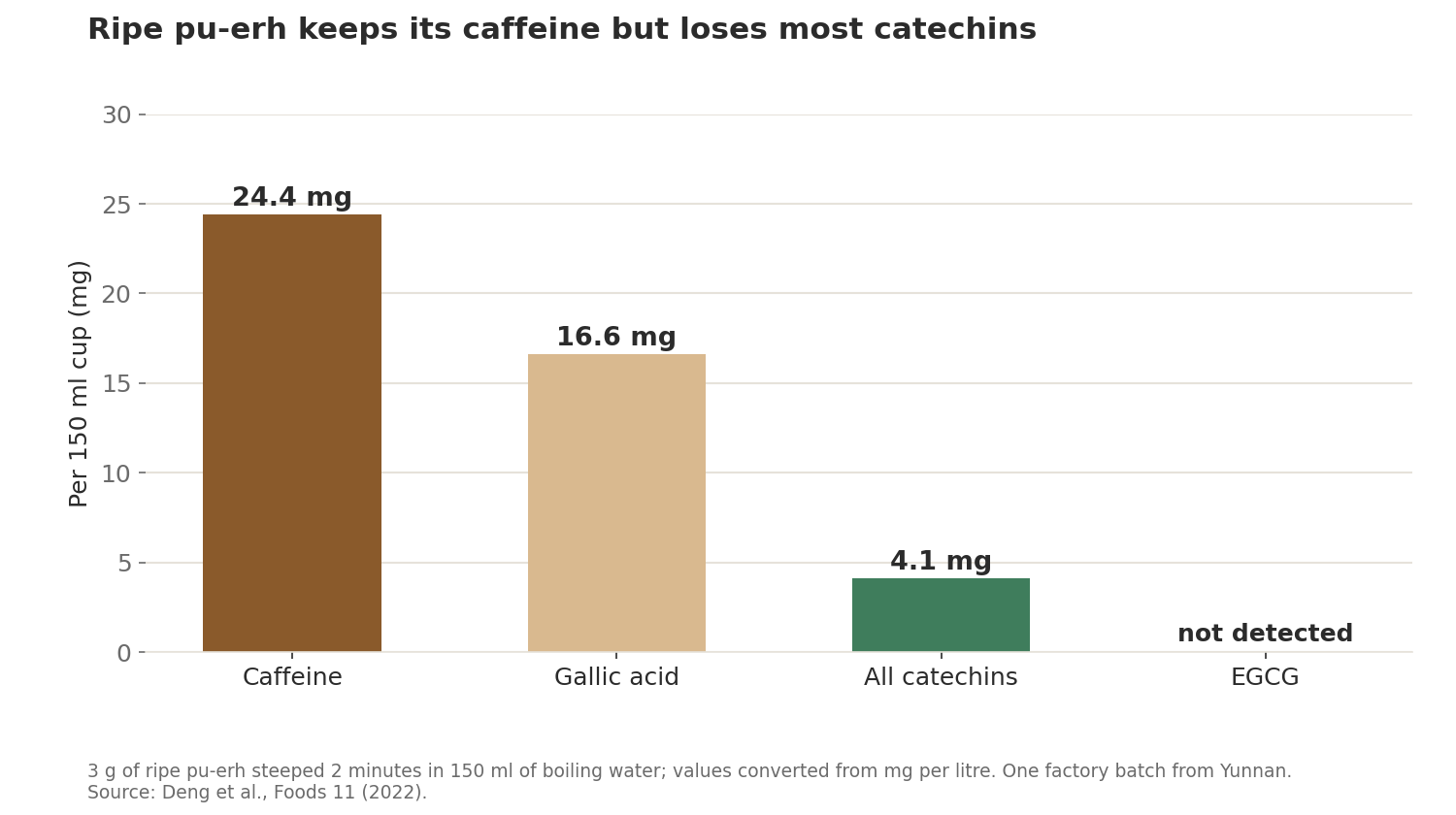
In the Yunnan study, a 2-minute steep of 3 g of ripe pu-erh in 150 ml of boiling water gave about 24 mg of caffeine but only 4 mg of catechins, and no detectable EGCG, the best-studied catechin in green tea. Ripe pu-erh is a different drink chemically, not a stronger green tea.
How much caffeine is in pu-erh?
Pu-erh has caffeine, roughly in line with other true teas. A single Western-style cup usually falls within the 14 to 61 mg range measured for brewed white, green and black teas. Because fermentation leaves caffeine intact, ripe pu-erh is not a low-caffeine tea, even though it tastes mellow.
Gongfu brewing changes the total. Pu-erh is traditionally brewed with a lot of leaf and many short infusions, and a long session can add up to more caffeine than a mug of coffee. Our tea caffeine comparison sets pu-erh beside other teas. During pregnancy, count it like any other tea, as our guide to tea during pregnancy explains.
Pu-erh tea benefits
Weight and cholesterol
Pu-erh is widely marketed as a slimming tea. The best human evidence is a 2016 randomised trial in the United States. Fifty-nine overweight adults with high cholesterol took 3 g a day of a pu-erh extract or a placebo for 20 weeks, without changing their diet. The extract group lost significantly more weight, and their cholesterol ratio and triglycerides improved slightly. Fat loss, measured by body scan, did not differ significantly between the groups.
That is encouraging but limited. It was one small trial, of a concentrated extract rather than brewed tea, and 3 g of extract is far more than a few cups provide. A 2026 review of tea and obesity concluded that the metabolic effects of fermented teas are promising but less consistently tested in properly sized human trials than green tea. Our green tea weight loss guide explains why even the better-studied teas only help at the margins.
Digestion
In southern China, ripe pu-erh is the classic tea with rich dim sum, said to cut through oily food and settle the stomach. Its smooth, low-astringency taste makes it easy to drink with a meal, but there are no good trials on digestion. For bloating, our best tea for bloating guide covers herbs with more evidence.
Gut bacteria
Lab and animal studies suggest the theabrownins and other compounds formed during fermentation may change gut bacteria and blood fats. A 2026 review of aged teas described these effects but noted they come mainly from animal research. Whether they apply to people drinking pu-erh is unknown.
Focus
Like other true teas, pu-erh combines caffeine with some L-theanine, though fermentation reduces amino acids. Many drinkers describe a warming, steady lift from a pu-erh session. For a tea chosen for focus, see our best tea for focus.
Is pu-erh safe?
For most people, a few cups a day of pu-erh from a reputable seller is as safe as any other tea. Three issues are specific to fermented and aged teas.
- Moulds and mycotoxins. Fermentation and storage involve microbes, and poor conditions can let harmful moulds grow. A 2018 review of mycotoxins in tea estimated that average contamination of black tea and pu-erh contributes a modest share of dietary exposure to aflatoxin B1 and ochratoxin A. It also said more data are needed. Avoid any tea with visible fuzzy mould, or a sour or rotten smell.
- Fluoride. Tea plants absorb fluoride, and dark teas made from coarse, mature leaves can be high in it. In Tibet, heavy daily drinking of cheap brick tea is linked to fluoride-related bone and joint disease. A few cups of good pu-erh is not comparable, but it is a reason not to drink large amounts of the cheapest dark tea every day.
- Caffeine and iron. As with any true tea, keep within your caffeine limit and drink it between meals if you are low in iron. Our tea and iron guide explains why.
How to brew pu-erh
Breaking off a piece
Slide a pu-erh knife, a butter knife or a thick needle into the edge of the cake and lever off layers rather than chunks. Work from the edge or the dimple in the back. Try not to crush the leaf, since broken leaf brews more bitter. A small kitchen scale helps you get the amount right.
The rinse
Pressed pu-erh is traditionally rinsed first. Pour boiling water over the leaf, wait 5 to 10 seconds and pour it away. This wakes up the compressed leaf so the first real infusion brews evenly, and it washes off dust. With ripe pu-erh, it also tames the musty edge some young ripe teas carry from the pile.
| Method | Leaf | Water | Steep |
|---|---|---|---|
| Gongfu, ripe | 6 to 8 g per 100 ml | Boiling, 100°C | 10 to 20 seconds, adding time each round, 8 to 15 rounds |
| Gongfu, raw | 5 to 7 g per 100 ml | 90 to 100°C | 5 to 15 seconds at first, 6 to 12 rounds |
| Western mug or pot, ripe | 3 to 4 g per 250 ml | Boiling | 2 to 4 minutes, re-steep twice |
| Western mug or pot, raw | 3 g per 250 ml | 90 to 95°C | 1 to 3 minutes, re-steep twice |
- Weigh the leaf and put it in a warmed pot or gaiwan.
- Rinse once with boiling water and discard.
- Fill with water at the right temperature and steep for the time in the table.
- Pour off all the tea into a jug or cups so the leaf does not keep brewing.
- Repeat, lengthening each steep a little. Stop when the flavour fades.
- Ripe pu-erh is very forgiving and rarely bitter, which makes it a good first pu-erh.
- Pu-erh leaves heavy tea stains. Our kettle cleaning guide also works for stained pots.
- For more on matching water and time to each tea, see our tea brewing temperature and steep time guide.
Buying and storing pu-erh
- Start with ripe. A good ripe cake or loose ripe tea from a specialist shop is inexpensive and shows you the style. Taste young raw pu-erh separately. It is a very different drink.
- Be sceptical of age claims. Old pu-erh is valuable, and fakes are common. Buy aged tea only from sellers who state where and how it was stored.
- Air out new ripe tea. If a young ripe pu-erh smells of the fermentation pile, break some up and leave it in a paper bag for a few weeks.
- Store it away from smells. Unlike green tea, pu-erh is meant to keep changing, so it needs a little air and stable, moderate humidity. Keep it in its paper wrapper inside a cardboard box or clay jar, away from light, heat and strong odours. Never store it in the fridge or with spices. Our tea storage guide covers the basics for other teas.
Raw pu-erh is not the only tea people age. White tea is also pressed and stored for years. See our white tea guide for how it changes.
Quick answers
What does pu-erh taste like?
Ripe pu-erh tastes earthy, smooth and slightly sweet, with notes of cocoa, dates and damp wood. Young raw pu-erh is brighter, more bitter and fruity, and aged raw pu-erh is woody and complex.
Does pu-erh help you lose weight?
Not much on its own. One trial of a concentrated extract found modest weight loss over 20 weeks. Drinking the tea in place of sweet drinks is the more reliable benefit.
Can you drink pu-erh every day?
Yes. Three to four cups a day is fine for most healthy adults. Our how many cups of tea a day guide covers caffeine limits.
Does pu-erh go bad?
Properly stored pu-erh does not expire in the way green tea fades. It keeps changing. It does go bad if it gets damp and mouldy, so discard tea with visible mould or a sour smell.
Is pu-erh a black tea?
No. In Chinese tea categories it is a dark tea, fermented by microbes. What Western shops call black tea is known in China as red tea.
Sources
- Lv et al. Processing and chemical constituents of Pu-erh tea, a review. Food Research International, 2013.
- Zhang et al. The microbiome and metabolites in fermented Pu-erh tea. PLOS ONE, 2016.
- Deng et al. Mellow and thick taste of Pu-erh ripe tea based on chemical properties. Foods, 2022.
- Jensen et al. Reduction of body fat and improved lipid profile with a Puer tea extract. Clinical Interventions in Aging, 2016.
- Sedova et al. Mycotoxins in tea: occurrence, methods of determination and risk evaluation. Toxins, 2018.
Last updated: 8 October 2026. Sources are linked in the text.
This article is general information, not medical advice. Talk to your doctor or pharmacist before using tea or herbs for a health condition, especially if you are pregnant, breastfeeding or take regular medication.