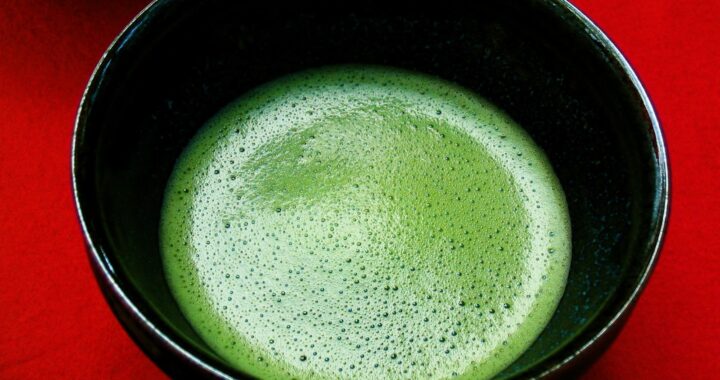
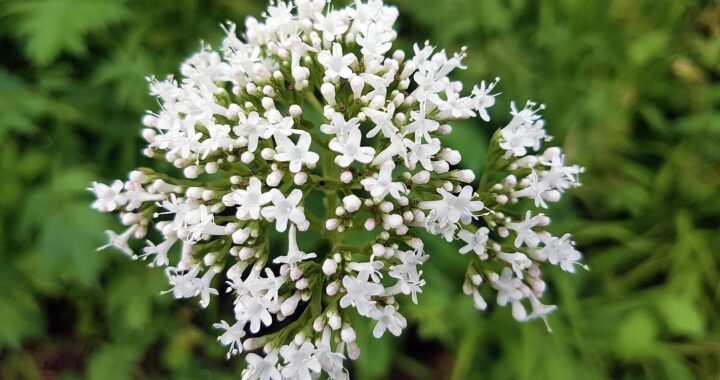
No tea has been shown to stop a migraine on its own. The best-supported use of tea is caffeine: one or two cups of black or green tea taken with a standard painkiller at the first sign of an attack. Ginger may ease pain and nausea, and feverfew may prevent a few attacks, but both were tested as capsules or extracts. The bigger risk with tea is the opposite one, because too much caffeine, or suddenly stopping it, can trigger attacks.
Can tea help a migraine?
Migraine is not an ordinary headache. It is a neurological condition with attacks of throbbing pain, often on one side, that can last from 4 hours to 3 days and usually come with nausea or sensitivity to light and sound. Because the pain comes from changes in the brain and the nerves around it, a drink cannot switch it off the way it can relieve thirst or a mild tension headache.
Tea can still play a part, in three ways. Caffeine makes common painkillers work better. A few herbs, mainly ginger and feverfew, have been tested in clinical trials. And a regular, moderate tea habit is better than an erratic one, because caffeine swings are a known trigger. Our broader guide to the best tea for headaches covers tension and sinus headaches. This page looks only at migraine.
| Tea or ingredient | What was tested | Evidence for migraine | Best use |
|---|---|---|---|
| Black or green tea (caffeine) | Caffeine combined with aspirin and paracetamol | Good, but only alongside painkillers | One or two cups with your painkiller, early |
| Ginger tea | Ginger powder or extract capsules | Low certainty | Sipped slowly during an attack, especially with nausea |
| Feverfew | Leaf powder and CO2 extract, taken daily | Low quality, small effect | Prevention only, as a supplement, after medical advice |
| Peppermint tea | Menthol and peppermint oil on the skin or in the nose | None for the tea | Comfort; try the oil on the temples instead |
| Chamomile and lavender | Chamomile oil gel and lavender oil, used on the skin or inhaled | None for the tea | Relaxation and sleep after an attack |
| Butterbur | Specially processed extract | Not suitable as a tea | Avoid homemade butterbur tea |
Caffeine is the strongest evidence
Caffeine has been part of headache medicine for decades. In three placebo-controlled trials published in 1998, 1,220 people with migraine took two tablets of a non-prescription mix of paracetamol (acetaminophen), aspirin and caffeine, or a placebo. Two hours later, 59.3% of those on the combination had their pain down to mild or none, against 32.8% on placebo. A two-tablet dose of that kind of product contains about 130 mg of caffeine.
A 2022 meta-analysis of seven trials with 3,306 people found the same pattern. Pain relief at two hours was 54.3% with the aspirin, paracetamol and caffeine combination and 31.2% with placebo. Being completely pain-free at two hours was 19.6% against 9.0%. A large German trial of 1,743 people showed why the caffeine matters. The triple combination worked faster than the same painkillers without caffeine, while caffeine taken alone did not beat placebo.
That last point is the key one for tea drinkers. Caffeine is a helper, not a painkiller. A 2020 review of the evidence found that every study of caffeine as a migraine treatment showed it was safe and effective, but mostly in combination with other painkillers.

How much tea is that?
An 8 oz cup of brewed black tea usually holds between about 14 and 61 mg of caffeine, depending on the tea and how long it steeps, according to a lab analysis of 20 teas. Green tea is often a little lower. So one or two strong cups give roughly 50 to 100 mg, which is in the range used in the trials. Our tea caffeine chart lists typical amounts for every type.
Drink it at the very start of an attack, with the painkiller your doctor recommends, and stop there. More tea adds risk, not relief.
When tea makes migraines worse
The same caffeine that helps an attack can also start one. The NHS lists too much caffeine among common migraine triggers and suggests limiting caffeine as part of managing migraine. The research shows three separate problems.
- Too much in one day. In a six-week diary study of 98 adults with episodic migraine, researchers found a non-linear link between caffeinated drinks and migraine that same day. One or two servings showed no clear effect, while three or more pointed towards higher odds. A US survey of 8,993 adults found that people taking 400 mg or more of caffeine a day were 42% more likely to report severe headache or migraine than those taking under 40 mg.
- Withdrawal. The international headache classification describes a caffeine-withdrawal headache that starts within 24 hours of stopping after at least two weeks of more than 200 mg a day. In people with migraine, that withdrawal can set off a full attack. Weekend lie-ins that delay the first cup are a classic example, and our article on whether tea can cause headaches explains the timing.
- Overuse with painkillers. Taking caffeine-containing painkillers on 10 or more days a month for over three months can lead to medication-overuse headache, where the treatment itself keeps the headaches going.
In a small Korean clinic study, 72% of migraine patients who gave up caffeine completely rated their medicine as working excellently, against 40% of those who kept drinking it. The study was not randomised.
On the other hand, tea itself does not seem to cause migraine. A 2023 genetic study using UK Biobank data found no causal link between tea intake and migraine risk, and a 2026 systematic review found that habitual moderate caffeine use was generally not linked to more migraine. The practical advice from the 2020 review is to keep caffeine under about 200 mg a day and, above all, to keep it consistent from day to day. For most people that means two to four cups of tea at similar times.
Ginger tea for migraine
Ginger is the herb with the most migraine trials, and it is also well known for easing nausea. In an Iranian trial of 100 people with migraine without aura, ginger powder worked about as well as the migraine drug sumatriptan at two hours, with fewer side effects. A Brazilian emergency room trial gave 60 patients 400 mg of ginger extract or placebo on top of an intravenous painkiller. The ginger group did better at one, one and a half and two hours.
The picture is less rosy for prevention. A three-month trial in 107 people found ginger capsules taken three times a day did no better than placebo at cutting the number of attacks. The most recent 2026 meta-analysis in BMJ Evidence-Based Medicine pooled eight trials with 594 patients and rated the evidence low to very low certainty. Its authors concluded it is still too uncertain whether ginger helps, either during an attack or as prevention.
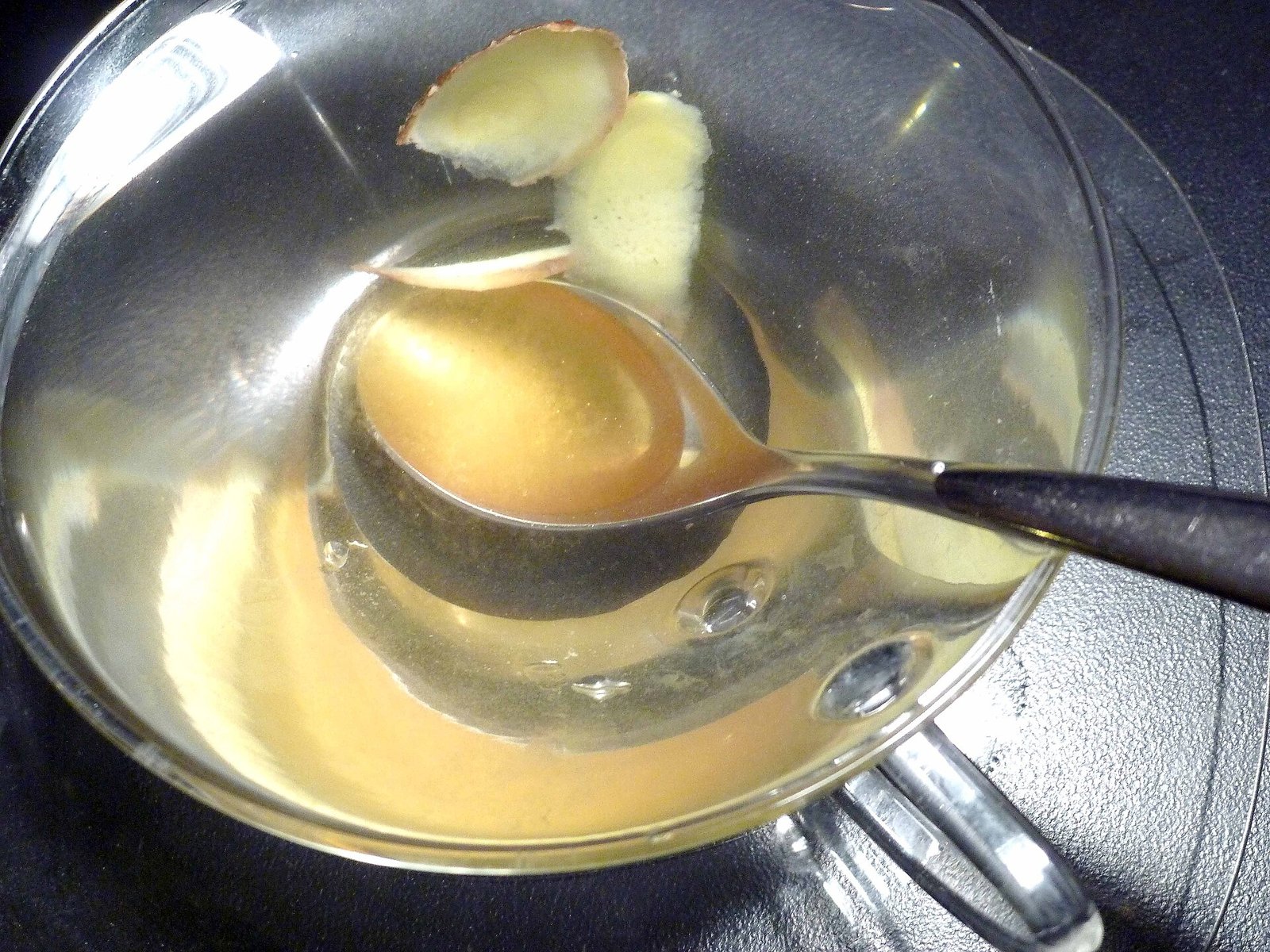
So ginger tea is a reasonable, low-risk thing to sip during an attack, especially if you feel sick. Simmer a 2 to 3 cm piece of grated fresh ginger in 300 ml of water for 10 minutes, then sip it slowly. Our ginger tea guide covers doses and the caution for people on blood thinners.
Feverfew tea for prevention

Feverfew is a small daisy-like plant that has been used for headaches for centuries. Unlike ginger, it is taken every day to prevent attacks rather than to treat one. The Cochrane review found six trials with 561 patients. The largest and most rigorous, with 218 people, used a stable feverfew extract. Attacks fell from 4.8 to 2.9 a month on feverfew and from 4.8 to 3.5 on placebo, a difference of 0.6 attacks a month. The reviewers called this low quality evidence and said larger trials were needed.
The American Academy of Neurology and American Headache Society 2012 guideline rated that specific feverfew extract as probably effective for migraine prevention. A pilot trial of a product combining feverfew and ginger, dissolved under the tongue, found 63% of people had pain relief at two hours against 39% on placebo.
Feverfew tea is a weaker, bitter version of what was tested, and the dose in a cup is unknown. The US National Center for Complementary and Integrative Health notes that chewing fresh leaves can cause mouth sores, that people allergic to ragweed and related plants may react to it, and that it should not be used in pregnancy because it may affect the womb. If you want to try it for prevention, a standardised product taken for two to three months, after talking to your doctor, is a better test than tea.
Peppermint, chamomile and lavender
These three are popular migraine teas, but their research is for oils, not drinks. A 10% menthol solution brushed on the forehead and temples beat placebo for pain relief at two hours in a crossover trial of 35 people. A chamomile oil gel rubbed on the skin eased pain, nausea and light sensitivity in a trial of 100 patients. In a trial of 47 people, inhaling lavender oil for 15 minutes cut pain scores by 3.6 points against 1.6 with a dummy oil.
Drinking the tea delivers far less of these compounds, and none of the teas has been tested for migraine. They are still useful in other ways. A cup of peppermint tea is caffeine-free and may settle the stomach, and chamomile or lemon balm can help you wind down when stress or poor sleep is your trigger. If you want to try peppermint for the pain itself, dabbing diluted oil on the temples is closer to what was tested.
Teas to avoid with migraine
- Butterbur tea. Butterbur extract once had good evidence for prevention, but the raw plant contains pyrrolizidine alkaloids that can damage the liver. The NCCIH says only products processed to remove them should be considered, so never brew the leaves or root yourself.
- Very strong or large servings of caffeinated tea late in the day. Caffeine can disturb sleep, and poor sleep is a common trigger. EFSA advises that 100 mg near bedtime may affect sleep in some adults. Switch to a caffeine-free tea after mid-afternoon, or see our best tea for sleep.
- Feverfew in pregnancy, and caffeine above 200 mg a day. Our pregnancy tea guide covers safe choices.
A simple tea plan for people with migraine
- Keep caffeinated tea steady: the same two to four cups at the same times each day, weekends included.
- At the first sign of an attack, take your usual painkiller with one cup of strong black or green tea. Do not repeat it on more than two or three days a week.
- If nausea is a problem, sip ginger tea instead of, or after, the caffeinated cup.
- Drink enough fluid overall. Tea counts towards it, since tea does not dehydrate you.
- If you want to cut caffeine, reduce it slowly over one to two weeks. Our guide to decaffeinating tea at home explains which methods work.
- Keep a migraine diary that includes your tea, so you can spot a pattern.
The NHS advises seeing a GP if you have migraine attacks more than once a week or find them hard to control. Also mention it if you take painkillers on 10 or more days a month. Get urgent help if an attack lasts more than 72 hours or aura lasts longer than an hour, and call 999 for weakness on one side of the body or face, or slurred speech.
Quick answers
What is the best tea for migraines?
A cup of black or green tea taken with a painkiller at the start of an attack has the best evidence, because caffeine boosts the painkiller. Ginger tea is the best caffeine-free option, especially for nausea.
Does caffeine help or trigger migraines?
Both. Small amounts taken early in an attack help painkillers work. Three or more caffeinated drinks in a day, or suddenly stopping a regular habit, can trigger attacks.
Is green tea good for migraines?
Green tea has less caffeine than black tea but works the same way. There is no evidence that green tea prevents migraine, and a large genetic study found no causal link between tea and migraine risk either way.
Does feverfew tea work?
Feverfew extract cut attacks by about 0.6 a month more than placebo in the best trial. Tea made from the leaves has not been tested and the dose is uncertain. Do not use it in pregnancy.
Sources
- Lipton et al. Efficacy and safety of acetaminophen, aspirin, and caffeine in alleviating migraine headache pain: three double-blind, randomized, placebo-controlled trials. Archives of Neurology, 1998.
- Diener et al. Aspirin, paracetamol (acetaminophen) and caffeine for the treatment of acute migraine attacks: a systemic review and meta-analysis of randomized placebo-controlled trials. European Journal of Neurology, 2022.
- Diener et al. The fixed combination of acetylsalicylic acid, paracetamol and caffeine is more effective than single substances and dual combination for the treatment of headache. Cephalalgia, 2005.
- Nowaczewska et al. The ambiguous role of caffeine in migraine headache: from trigger to treatment. Nutrients, 2020.
- Mostofsky et al. Prospective cohort study of caffeinated beverage intake as a potential trigger of headaches among migraineurs. American Journal of Medicine, 2019.
- Zhang et al. Association between dietary caffeine intake and severe headache or migraine in US adults. Scientific Reports, 2023.
- Makhlouf et al. The impact of caffeine consumption on migraine: a systematic review. BMC Neurology, 2026.
- Jin et al. Noncausal effects between tea intake and migraine risk: a Mendelian randomization study. Scientific Reports, 2023.
- Lee et al. Caffeine discontinuation improves acute migraine treatment: a prospective clinic-based study. Journal of Headache and Pain, 2016.
- Maghbooli et al. Comparison between the efficacy of ginger and sumatriptan in the ablative treatment of the common migraine. Phytotherapy Research, 2014.
- Martins et al. Double-blind placebo-controlled randomized clinical trial of ginger addition in migraine acute treatment. Cephalalgia, 2019.
- Martins et al. Double-blind placebo-controlled randomized clinical trial of ginger in the prophylactic treatment of migraine. Cephalalgia, 2020.
- Atkins et al. Ginger for the treatment and prevention of migraine headaches: a systematic review and meta-analysis of randomised controlled trials. BMJ Evidence-Based Medicine, 2026.
- Wider et al. Feverfew for preventing migraine. Cochrane Database of Systematic Reviews, 2015.
- Holland et al. Evidence-based guideline update: NSAIDs and other complementary treatments for episodic migraine prevention in adults. Neurology, 2012.
- Cady et al. A double-blind placebo-controlled pilot study of sublingual feverfew and ginger (LipiGesic M) in the treatment of migraine. Headache, 2011.
- Borhani Haghighi et al. Cutaneous application of menthol 10% solution as an abortive treatment of migraine without aura. International Journal of Clinical Practice, 2010.
- Zargaran et al. Evaluation of the effect of topical chamomile oleogel as pain relief in migraine without aura. Neurological Sciences, 2018.
- Sasannejad et al. Lavender essential oil in the treatment of migraine headache: a placebo-controlled clinical trial. European Neurology, 2012.
- Chin et al. Caffeine content of brewed teas. Journal of Analytical Toxicology, 2008.
- International Headache Society. ICHD-3, 8.3.1 Caffeine-withdrawal headache.
- International Headache Society. ICHD-3, 8.2 Medication-overuse headache.
- NHS. Migraine.
- National Center for Complementary and Integrative Health. Feverfew.
- National Center for Complementary and Integrative Health. Butterbur.
- European Food Safety Authority. Caffeine.
Last updated: 11 October 2026. Sources are linked in the text.
This article is general information, not medical advice. Talk to your doctor or pharmacist before using tea or herbs for a health condition, especially if you are pregnant, breastfeeding or take regular medication.